

Public sector workers across Nigeria are set to commence a three-day warning strike on Friday following the directive of the Joint National Public Service Negotiating Council (JNPSNC) over what it described as worsening economic hardship.
The industrial action, scheduled to run from October 2 to October 4, is expected to involve workers in the federal, state, and local government services.
The council is demanding measures to ease the rising cost of living, including a reduction in the price of petrol to N500 per litre, a wage award for workers, and the commencement of negotiations for a new national minimum wage ahead of 2027.
In a circular dated October 1, 2026, and signed by the National Secretary of the JNPSNC, Olowoyo Gbenga, the council said the strike became necessary after the government allegedly failed to respond to its earlier demands.
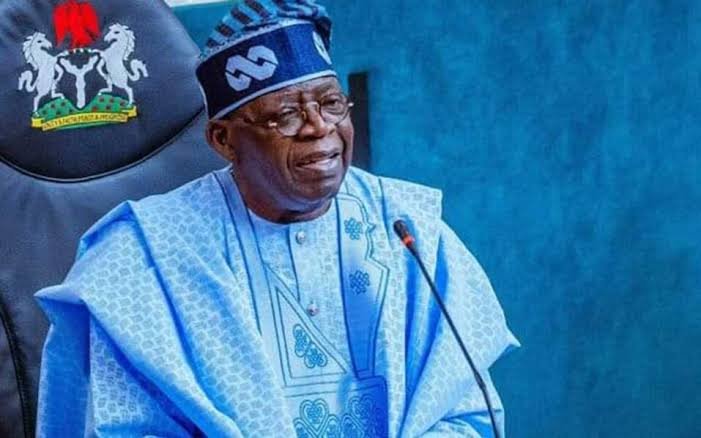
The council had written to President Bola Tinubu on September 21, seeking urgent measures to address the economic difficulties confronting workers.
The circular stated, “The strike shall start with effect from Friday, 2nd October, 2026, to Sunday, October 4th, 2026.”
The council directed public servants across the three tiers of government to participate in the action, saying it was intended to draw attention to the challenges facing workers.
NLC backs workers’ demands
The Nigeria Labour Congress has also backed the JNPSNC’s demands, calling for an immediate reduction in petrol prices, a nationwide wage award, and the commencement of negotiations for a new national minimum wage.
In its Independence Day message issued by its President, Joe Ajaero, the NLC said rising costs of transportation, food, rent, and education had continued to erode workers’ purchasing power.
The labour centre attributed much of the worsening cost-of-living crisis to the increase in petrol prices following the removal of the subsidy in 2023.
The NLC said petrol was selling at about N1,430 per litre or higher in major cities, with prices reportedly higher in remote areas.
According to the union, increased fuel costs have triggered higher transportation expenses and contributed to rising prices of essential goods and services.
It called on the Federal Government to urgently address the impact of fuel prices on transportation and the wider economy.
The NLC also demanded the immediate implementation of a nationwide wage award for workers at the federal, state, and local government levels, describing it as an emergency measure to cushion declining real incomes.
The Congress further accused the government of failing to fully implement tax relief measures contained in its October 2023 Memorandum of Understanding with labour.
It urged the government to implement the agreed tax reliefs and accelerate negotiations towards a new national minimum wage.
The labour centre also called for a reduction in the cost of governance, greater transparency in public expenditure, and increased investment in roads, hospitals, schools, and other social infrastructure.
In the petroleum sector, the NLC questioned whether savings from the removal of the fuel subsidy had translated into improved infrastructure and social services.
It also called for increased investment in domestic refining to reduce Nigeria’s reliance on imported petroleum products.
The Congress further demanded improvements in public education and healthcare, better roads, and stronger social welfare programmes to reduce the economic pressure on households.
It raised concerns about youth unemployment and migration, urging the government to create more economic opportunities for young Nigerians.
The NLC also linked insecurity to economic challenges, noting that violence had disrupted farming, education, and healthcare delivery.
Ahead of the 2027 general elections, the labour centre said workers should be free to make independent political choices and cautioned against electoral manipulation, voter intimidation, and rhetoric capable of aggravating ethnic or religious tensions.
The NLC said it would use its proposed Workers’ Charter to state its positions on policies and candidates when necessary, while stressing that workers’ organisations should not be regarded solely as electoral instruments.
