

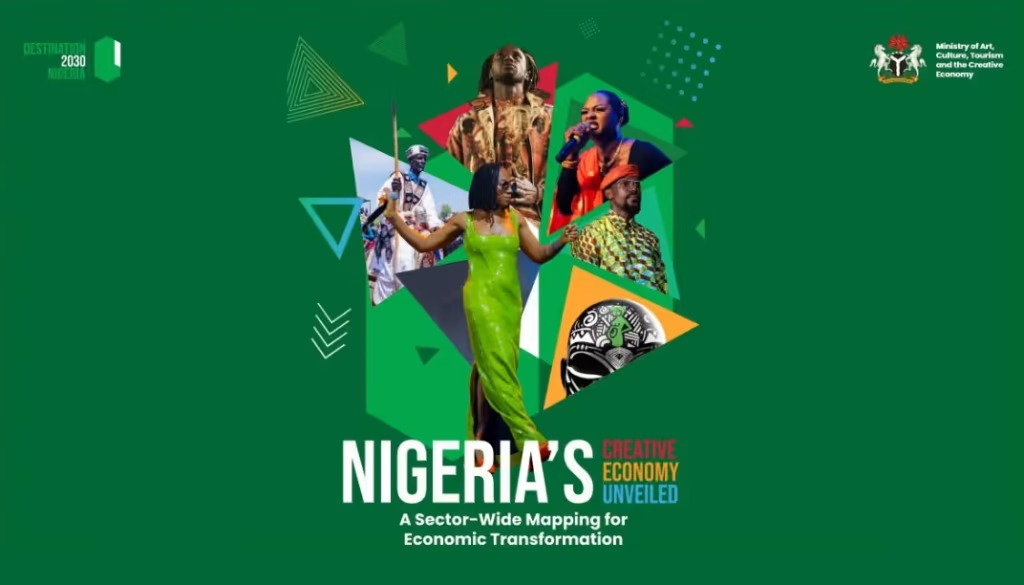
Nigeria’s creative industry is experiencing a period of unprecedented growth, driven by a surge in demand for Nigerian music, film, fashion, and art both locally and internationally. With a vibrant cultural scene and a young, dynamic population, Nigeria is quickly becoming a hub for creativity and innovation in Africa. However, while the creative industry presents significant opportunities for economic growth and cultural expression, it also faces a number of challenges that must be addressed to ensure its continued success.
The Growth of Nigeria’s Creative Industry
Nigeria’s creative industry, often referred to as the “Orange Economy,” encompasses a wide range of sectors, including music, film, fashion, art, literature, and digital media. Over the past decade, the industry has grown rapidly, contributing significantly to Nigeria’s economy and creating jobs for millions of people.
One of the key drivers of this growth is the global popularity of Nigerian music, particularly Afrobeats. Nigerian artists like Burna Boy, Wizkid, and Davido have gained international recognition, performing at major festivals and collaborating with global superstars. The success of Nigerian music has not only boosted the country’s cultural profile but has also created opportunities for other sectors within the creative industry, such as fashion, film, and digital media.
The Nigerian film industry, known as Nollywood, is another major contributor to the growth of the creative sector. Nollywood is the second-largest film industry in the world in terms of the number of films produced, and it has a significant impact on Nigeria’s economy. Nollywood films are popular not only in Nigeria but also across Africa and in the diaspora, and the industry continues to attract investment and talent.
The fashion industry in Nigeria is also on the rise, with Nigerian designers gaining international recognition for their creativity and innovation. Nigerian fashion is characterized by its bold use of color, patterns, and traditional fabrics, and it has become increasingly popular both locally and globally. The rise of Nigerian fashion has also spurred the growth of related industries, such as textiles, accessories, and retail.
In addition to music, film, and fashion, Nigeria’s creative industry includes a thriving art scene, with Nigerian artists gaining recognition in international galleries and exhibitions. The digital media sector is also expanding rapidly, with Nigerian content creators, influencers, and entrepreneurs using digital platforms to reach global audiences.
Opportunities in Nigeria’s Creative Industry
The growth of Nigeria’s creative industry presents several opportunities for economic development and cultural expression:
- Job Creation: The creative industry is a major source of employment in Nigeria, providing jobs for millions of people, particularly young people. From artists and designers to producers and marketers, the industry offers a wide range of career opportunities.
- Export Potential: Nigerian music, film, fashion, and art have significant export potential, with growing demand in international markets. By exporting creative products and services, Nigeria can generate foreign exchange and boost its economy.
- Cultural Promotion: The creative industry plays a vital role in promoting Nigeria’s rich cultural heritage and identity. Through music, film, fashion, and art, Nigerian creatives are sharing the country’s culture with the world, contributing to a positive image of Nigeria on the global stage.
- Innovation and Entrepreneurship: The creative industry is a hub for innovation and entrepreneurship, with Nigerian creatives using technology and digital platforms to develop new business models and reach global audiences. The rise of digital media and e-commerce has created new opportunities for Nigerian entrepreneurs to monetize their creativity and build successful businesses.
- Tourism Development: The growth of Nigeria’s creative industry has the potential to boost tourism by attracting visitors who are interested in experiencing Nigerian music, film, fashion, and art. Creative festivals, exhibitions, and events can draw tourists to Nigeria and contribute to the development of the tourism sector.
Challenges Facing the Creative Industry
Despite its growth and potential, Nigeria’s creative industry faces several challenges that must be addressed to ensure its continued success:
- Infrastructure and Funding: Lack of infrastructure and access to funding are major barriers to the growth of the creative industry. Many creatives struggle to find the resources and support they need to develop their projects and reach their full potential. Investing in infrastructure, such as production studios, theaters, and galleries, as well as providing access to funding, is essential for the industry’s growth.
- Intellectual Property Protection: Intellectual property (IP) protection is a significant challenge in Nigeria’s creative industry. Piracy and copyright infringement are widespread, which can undermine the earnings and recognition of Nigerian creatives. Strengthening IP protection and enforcement is critical for ensuring that creatives are fairly compensated for their work and can continue to innovate.
- Training and Education: Building capacity in the creative industry is essential for its sustainability. Many creatives lack access to formal training and education, which can limit their skills and opportunities. Providing training and education in areas such as digital media, marketing, and business management can help creatives develop the skills they need to succeed.
- Market Access and Distribution: Access to markets and distribution channels is another challenge for Nigerian creatives. Many struggle to reach global audiences and monetize their work due to limited distribution networks and platforms. Expanding access to markets and creating distribution channels that are accessible to Nigerian creatives can help them reach new audiences and generate revenue.
- Government Support and Regulation: The Nigerian government has a role to play in supporting the creative industry through policies, regulations, and incentives. While there have been some efforts to support the industry, more needs to be done to create an enabling environment for creatives to thrive. This includes providing tax incentives, supporting cultural exchanges, and investing in infrastructure.
The Future of Nigeria’s Creative Industry
The future of Nigeria’s creative industry is bright, with significant potential for growth and development. By addressing the challenges and capitalizing on the opportunities, Nigeria can become a global leader in the creative economy and showcase its cultural wealth to the world.
To achieve this, collaboration between the government, private sector, and creative communities will be essential. This includes investing in infrastructure, providing access to funding, and strengthening intellectual property protection. Additionally, efforts to build capacity, expand market access, and promote cultural exchange will be critical for the continued growth of the creative industry.
In conclusion, Nigeria’s creative industry is experiencing a period of rapid growth, driven by the global popularity of Nigerian music, film, fashion, and art. While the industry presents significant opportunities for economic development and cultural expression, it also faces challenges that must be addressed to ensure its sustainability. By investing in the creative industry and supporting Nigerian creatives, Nigeria can unlock the full potential of its Orange Economy and become a cultural powerhouse on the global stage.
14. “The Role of Education in Bridging Nigeria’s Digital Divide”
Education plays a crucial role in addressing the digital divide in Nigeria, a gap that separates those with access to digital technologies and the internet from those without. With the rapid advancement of technology and the increasing importance of digital skills in the modern economy, bridging the digital divide is essential for ensuring that all Nigerians have the opportunity to participate in the digital age.
Understanding the Digital Divide in Nigeria
The digital divide refers to the gap between individuals and communities that have access to information and communication technologies (ICTs) and those that do not. In Nigeria, the digital divide is characterized by disparities in access to the internet, digital devices, and digital literacy. These disparities are often along geographic, economic, and social lines, with rural areas, low-income households, and marginalized groups being the most affected.
Several factors contribute to the digital divide in Nigeria, including:
- Infrastructure: Limited access to digital infrastructure, such as broadband internet and reliable electricity, is a major barrier to digital inclusion in Nigeria. Rural areas, in particular, suffer from a lack of infrastructure, making it difficult for residents to access digital technologies.
- Cost: The high cost of internet access, digital devices, and data plans can be prohibitive for many Nigerians, particularly those in low-income households. The affordability of digital technologies is a key factor in determining access and usage.
- Digital Literacy: Digital literacy refers to the skills and knowledge needed to use digital technologies effectively. In Nigeria, many people lack the digital literacy needed to fully participate in the digital economy, particularly in rural areas and among older populations.
- Education and Awareness: Education plays a critical role in raising awareness about the importance of digital technologies and providing the skills needed to use them. However, disparities in access to education, particularly in rural and underserved areas, can exacerbate the digital divide.
The Role of Education in Bridging the Digital Divide
Education is a key driver in bridging the digital divide in Nigeria by providing individuals with the skills, knowledge, and opportunities needed to participate in the digital economy. Several strategies can be employed to leverage education in closing the digital gap:
- Digital Literacy Programs: Implementing digital literacy programs in schools and communities is essential for building the skills needed to use digital technologies. These programs can include training in basic computer skills, internet usage, and digital safety. By integrating digital literacy into the education curriculum, Nigeria can ensure that students are equipped with the skills needed to thrive in the digital age.
- Access to Digital Resources: Providing students and teachers with access to digital resources, such as computers, tablets, and internet connectivity, is crucial for enabling digital learning. Schools, particularly in rural areas, need to be equipped with the necessary infrastructure to support digital education. This includes investing in technology, providing training for teachers, and ensuring that schools have reliable internet access.
- Teacher Training and Capacity Building: Teachers play a vital role in bridging the digital divide by providing students with the skills and knowledge needed to use digital technologies. Investing in teacher training and capacity building is essential for ensuring that educators are equipped to teach digital literacy and integrate technology into their classrooms. This includes providing training on digital tools, online learning platforms, and digital pedagogy.
- Online Learning and E-Education: The rise of online learning and e-education presents an opportunity to bridge the digital divide by providing access to education for individuals who may not have access to traditional schooling. Online learning platforms can offer courses, resources, and educational content to students in remote and underserved areas. By expanding access to online learning, Nigeria can provide more opportunities for individuals to develop digital skills and access quality education.
- Public Awareness and Advocacy: Raising public awareness about the importance of digital inclusion and the role of education in bridging the digital divide is essential for driving change. This includes advocating for policies that promote digital inclusion, investing in digital infrastructure, and supporting initiatives that provide access to digital technologies for all Nigerians.
Challenges and Barriers
While education has the potential to bridge the digital divide, there are challenges that need to be addressed:
- Infrastructure Gaps: Limited access to digital infrastructure, particularly in rural areas, remains a significant barrier to digital inclusion. Without reliable internet connectivity and access to digital devices, it is difficult for individuals to participate in digital learning and develop digital skills.
- Funding and Resources: The lack of funding and resources for education, particularly in underserved areas, can limit the effectiveness of digital literacy programs and initiatives. Ensuring that schools and communities have the resources needed to support digital education is critical for closing the digital gap.
- Equity and Inclusion: Ensuring that digital education is equitable and inclusive is essential for reaching all segments of the population. This includes addressing the needs of marginalized groups, such as girls, women, and individuals with disabilities, who may face additional barriers to accessing digital technologies and education.
- Policy and Regulation: Supportive policies and regulations are needed to promote digital inclusion and ensure that education plays a central role in bridging the digital divide. This includes policies that support investment in digital infrastructure, promote affordable access to digital technologies, and prioritize digital literacy in the education system.
The Future of Digital Education in Nigeria
The future of digital education in Nigeria is promising, with the potential to bridge the digital divide and provide opportunities for all Nigerians to participate in the digital economy. By investing in digital literacy, expanding access to digital resources, and supporting teachers and schools, Nigeria can create a more inclusive and equitable education system that prepares students for the challenges and opportunities of the digital age.
To achieve this, a coordinated effort is needed from the government, private sector, and civil society. This includes investing in infrastructure, providing funding and resources for education, and advocating for policies that promote digital inclusion. By working together, Nigeria can bridge the digital divide and ensure that all citizens have the opportunity to succeed in the digital economy.
In conclusion, education plays a crucial role in bridging Nigeria’s digital divide by providing individuals with the skills, knowledge, and opportunities needed to participate in the digital age. While challenges remain, the continued development of digital education and the expansion of digital literacy programs have the potential to transform Nigeria’s education system and create a more inclusive and prosperous future for all Nigerians.
