

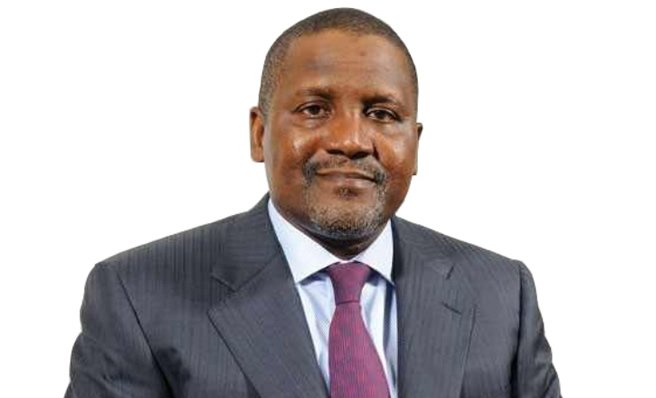
Africa could become largely self-sufficient in refined petroleum products by 2030, according to Nigerian industrialist and oil magnate Aliko Dangote.
Dangote made the projection on Tuesday in Nairobi, Kenya, ahead of the groundbreaking ceremony for a proposed $16 billion oil refinery at Lamu on the Kenyan coast.
The planned refinery, which is expected to have a refining capacity of 700,000 barrels per day, is projected to take about 30 months to complete.
Speaking to reporters, Dangote said the project formed part of a broader effort to reduce Africa’s dependence on imported finished petroleum products and encourage the continent to process its own raw materials.
Responding to a question on when Africa could stop relying on fuel imports from outside the continent, he said, “By 2030, the majority of African countries will be self-sufficient. It does not matter where it is refined, but it should be in the African continent, on the soil of Africa.”
Dangote also dismissed concerns over opposition to the Kenyan refinery, including a land rights case and objections from environmental groups such as Greenpeace.
“There’s actually no problem with these sort of cases,” he said, adding that some people were opposed to development projects in Africa.
Refinery to source crude globally
Questions have also been raised over the source of crude oil for the proposed refinery, particularly because East African countries are only beginning to develop their petroleum reserves.
Dangote said the facility would source crude from several parts of the world, including the Middle East and the United States, while remaining positioned to take advantage of growing oil production in countries such as Kenya, Tanzania and Mozambique.
He said Africa could not afford to wait until its population and economic needs had grown significantly before investing in refining capacity.
“We have to start addressing that issue today,” he said, while referring to concerns over possible restrictions on diesel exports from the United States.
Dangote described the 700,000-barrel-per-day refinery as significant for East Africa but relatively small compared with the continent’s future fuel requirements.
“When you talk about 700,000 barrels per day, it’s actually small. For the region, it’s a big refinery, it’s a big investment, but it is a start-up,” he said.
According to him, the refinery is expected to serve as the foundation for wider industrial development around the facility.
“This refinery is not all we are going to do there. It’s just the start… You will see the number of industries that will come around the refinery,” he said.
Dangote calls for end to raw material exports
The Nigerian billionaire said Africa’s wider economic challenge was its continued dependence on exporting raw materials while importing finished products at significantly higher costs.
“The biggest problem is that we export raw materials at maybe 5 to 10 percent of its value, and then we end up buying at 100 percent of its value,” Dangote said.
He argued that the practice also resulted in the loss of employment opportunities because processing and manufacturing jobs were created outside the continent.
“We are exporting jobs, because when we keep exporting raw materials, you are creating jobs out there. And when you buy finished products from them… you are importing poverty, because you are not actually creating any jobs here,” he added.
