

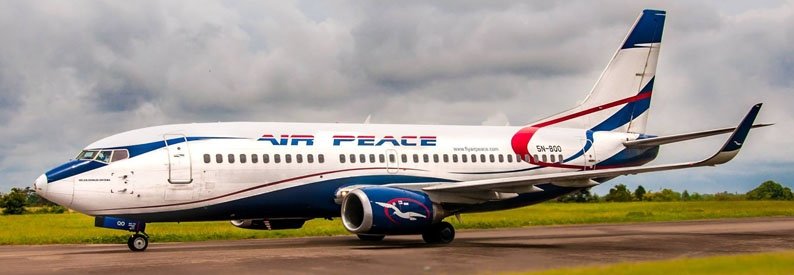
The Nigerian Midstream and Downstream Petroleum Regulatory Authority has set a price range of N1,960 to N2,800 per litre for Aviation Turbine Kerosene (ATK), as authorities move to address soaring fuel costs that have put Nigeria’s aviation sector under intense pressure.
In a statement issued by its Director of Public Affairs, George Ene-Ita, the agency said the approved range reflects nationwide retail prices as of April 17, 2026, dismissing reports suggesting the product was selling for as high as ₦3,300 per litre as inaccurate.
The intervention follows mounting concerns from the Airline Operators of Nigeria, whose members have reduced flight operations and warned of a possible shutdown if urgent action is not taken. The group had earlier issued a seven-day ultimatum, citing unsustainable operating conditions driven by the spike in fuel prices.
Minister of Aviation and Aerospace Development, Festus Keyamo, had stepped into the crisis, but operators insist that more decisive measures are required to stabilise the industry.
Industry figures show a dramatic rise in operating costs, with the price of fuelling aircraft such as the Bombardier CRJ 900 and Airbus A220 increasing from about ₦2.1 million per flight in January to approximately ₦7.6 million as of April 26—representing a 350 per cent surge.
Vice President of AON, Allen Onyema, attributed the spike partly to global tensions, including the US-Iran crisis, but argued that local pricing trends remain disproportionate to international benchmarks. He warned that airlines may be forced to halt operations within days if conditions do not improve, citing concerns over both pricing and fuel availability.
In response, the NMDPRA said it has introduced measures to ease supply constraints and reduce costs, including directing marketers to sell aviation fuel directly to airlines in order to eliminate intermediaries and improve transparency across the supply chain. The authority added that it would continue to monitor the situation closely to prevent profiteering and ensure stable supply nationwide.
Meanwhile, Ibom Air has indicated it may begin reducing flight frequencies as costs reach unsustainable levels. Its Group Manager for Marketing and Communication, Aniekan Essienette, described the situation as an “unprecedented crisis,” noting that the cost of fuelling a single flight has more than tripled in recent months.
Despite increased local supply from the Dangote Refinery, which reportedly accounts for over 95 per cent of Jet A1 fuel in the country, airlines say domestic prices remain significantly higher than global averages.
Operators warn that unless urgent measures are implemented, the rising cost of aviation fuel could disrupt flight operations and further strain Nigeria’s already fragile air transport sector.
