

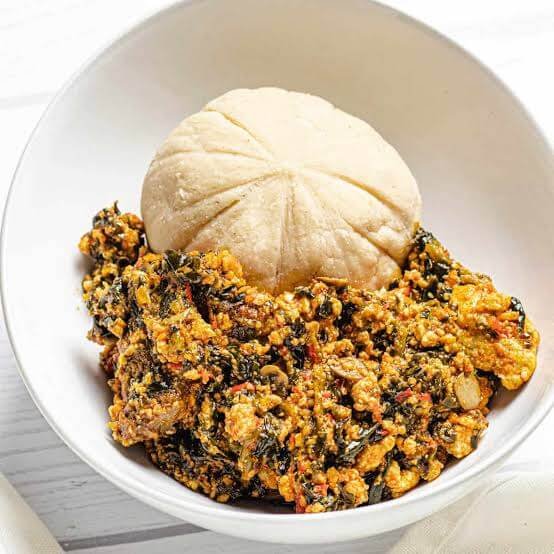
You sit down to eat a plate of jollof rice and chicken, and before you have even taken the second spoon, someone says:
“Ah-ah! You still dey eat rice? You want to increase your sugar?”
Or maybe you have heard:
“Stop eating garri!”
“Yam will make you fat!”
“Carbohydrates are bad for you!”
With all the things we hear about food these days, it is easy to become scared of the very foods we have grown up eating.
But before we put rice, yam, garri and bread on trial, let us talk about something important:
What is Insulin
Insulin is a hormone that helps your body use and store glucose for energy.
When you eat, your body breaks down carbohydrates and other nutrients from food, and glucose enters your bloodstream. In response, your pancreas releases insulin. Insulin helps glucose move from the blood into your cells, where it can be used for energy or stored for later.
Think of insulin as a key that helps unlock the doors of your cells so glucose can enter.
Insulin is not the enemy. Your body needs it. The problem occurs when your body becomes less responsive to insulin.
What Is Insulin Resistance?
Imagine a key that still works, but the lock has become harder to open.
That is a simple way to understand insulin resistance.
Insulin resistance happens when the body’s cells become less responsive to insulin. As a result, the pancreas may produce more insulin to help keep blood glucose levels within a healthy range.
Over time, persistent insulin resistance can contribute to prediabetes and type 2 diabetes. It is also associated with conditions such as polycystic ovary syndrome (PCOS).
But remember:
Eating carbohydrates does not automatically cause insulin resistance.
Rice, yam, garri, plantain, beans and fruits can all be part of a healthy, balanced diet.
The bigger questions are:
How much are you eating? What are you eating with it? And how often?
A balanced plate of rice, fish and vegetables is very different from a very large portion of rice accompanied by sugary drinks and frequent snacks.
What About Sweetened Drinks?
You may say:
“I do not take sugar.”
But what about sweetened zobo, tiger-nut drinks made with dates, soft drinks or fruit juice?
Dates and honey can be useful ingredients, but quantity still matters. Foods and drinks made with naturally occurring or added sugars can contribute significant amounts of sugar and calories when consumed in large quantities.
So, do not only ask:
“Is it natural?”
Also ask:
“How much am I having?”
The goal is not to become afraid of food or completely eliminate carbohydrates.
It is about balance, portion sizes and understanding what you are eating.
Do not fear carbohydrates. Understand them. Balance them. Enjoy them wisely.
Rice, yam, garri, plantain, bread and other carbohydrate-rich foods are part of many Nigerian diets. Rather than putting individual foods on trial, pay attention to your overall eating pattern, portion sizes and what you pair with them.
Healthy eating is not about perfection. It is about making informed, sustainable choices.
Let’s Talk
Which Nigerian carbohydrate could you never give up: rice, yam, garri, plantain or bread?
Tell us in the comments section!
You might just inspire what we discuss in our next article.
Medical note: This article is for general health education and does not replace professional medical advice, diagnosis or treatment. If you have concerns about your blood sugar, insulin levels or insulin resistance, speak with a qualified healthcare professional.
