

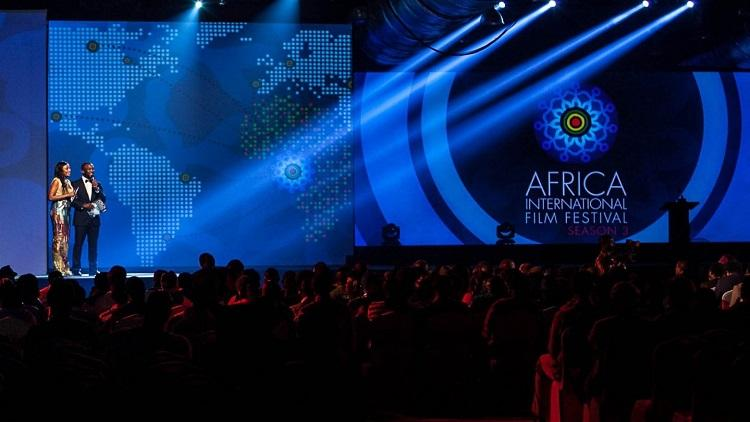
From the opening-night premiere of LADY to a star-studded red carpet and an entertaining Globe Awards finale, the 15th Africa International Film Festival brought together the people, stories and creative forces shaping African cinema.
For seven days, Lagos became a meeting point for African cinema, fashion, music and the personalities driving the continent’s creative industries.
From 1 to 7 November 2026, the 15th Africa International Film Festival (AFRIFF 15) celebrated the power of African storytelling with film screenings, masterclasses, industry conversations, red-carpet appearances and a glittering awards ceremony.
Held under the theme “Frames of the Future: Africa’s Creative Intelligence,” AFRIFF 15 brought together filmmakers, actors, producers, directors, international guests, music stars, fashion personalities and audiences for an anniversary edition that celebrated both the achievements of African cinema and the creative forces shaping its future.
The festival’s closing message captured the spirit of the occasion: fifteen editions, one family.
It was a celebration of the filmmakers who entrusted the festival with their stories, the partners and volunteers who supported it, and the audiences who filled cinema seats and participated in conversations throughout the week.
At 15, AFRIFF had more than an anniversary to celebrate. It had a community.
AFRIFF 2026 Opens with LADY
The festival opened on 1 November 2026 with LADY, written and directed by Olive Nwosu.
The film offered an intimate look at women’s lives in Lagos, drawing attention to experiences and realities that are often overlooked in mainstream storytelling.
Its selection as the opening film was a fitting introduction to a festival centred on African voices and perspectives. Nwosu’s work brought audiences into a distinctly Lagos story while demonstrating how local experiences can speak to wider international audiences.
The opening also set the tone for a week in which African stories took centre stage, with filmmakers and audiences engaging across different genres, themes and cinematic traditions.
The festival’s official programme later recognised Nwosu with the Best Director award for LADY, giving the opening film an additional distinction at the Globe Awards.
Seven Days of African Films, Masterclasses and Industry Conversations
Beyond the opening-night excitement, AFRIFF 15 offered a packed programme of cinema and industry engagement.
Filmhouse Landmark served as one of the festival’s screening destinations, welcoming audiences to a selection of films from across the continent and beyond. The masterclasses brought together participants eager to learn, exchange ideas and engage with professionals working across different areas of filmmaking.
The Africa Film & Content Market (AFCM), with its industry panels at Twinwaters, Lekki, added another important dimension to the festival.
Running from 2 to 5 November, the market was designed to bring producers into conversation with investors, buyers, distributors and international partners.
Together, the screenings, masterclasses and market sessions reflected the breadth of AFRIFF’s programme.
The festival was not simply a place to watch films. It was also a space to discuss the craft, business and future of African storytelling.
For emerging creatives, the week offered opportunities to meet established professionals and explore new possibilities. For experienced industry figures, it provided a platform to reconnect with colleagues, exchange perspectives and strengthen relationships.
It was a reminder that the African film industry is built not only through the films that reach the screen, but also through the people, partnerships and ideas that sustain the work behind them.
The Stars and Personalities Behind AFRIFF 15
A festival of this scale would hardly be complete without the personalities whose presence gives it a distinctive entertainment appeal.
AFRIFF 15 brought together familiar faces from Nigerian cinema and the wider entertainment industry. Among the personalities associated with the festival were actors Ini Edo, Uche Jombo, Rita Dominic and Taye Arimoro; filmmaker Kunle Afolayan; international screen personality Yaya DaCosta; creative director Ugo Mozie; and filmmaker TG Omori.
The presence of music stars added another layer of excitement, with Timi Dakolo, D’banj and Odumodublvck among the names connected with the festival’s entertainment programme.
At the centre of the gathering was AFRIFF founder Chioma Ude, whose 15-year commitment to building a platform for African cinema was reflected in the scale and diversity of the anniversary celebration.
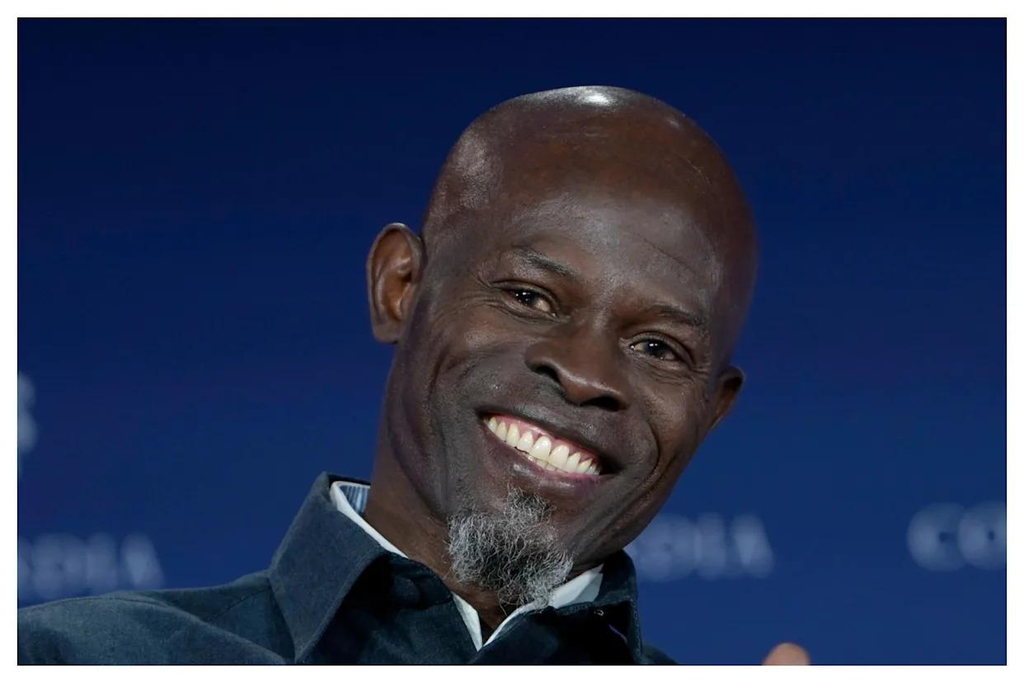
The festival’s international dimension was also evident in the participation of distinguished guests, including actor Djimon Hounsou and actress Danielle Brooks.
Their presence reflected the growing cultural connections between African cinema and the international entertainment community.
The attraction of AFRIFF lies partly in this coming together: established stars and emerging talent, local and international creatives, filmmakers and musicians, all sharing a space where African culture and creativity could be celebrated.
AFRIFF 15 Red Carpet: Fashion, Elegance and Star Power
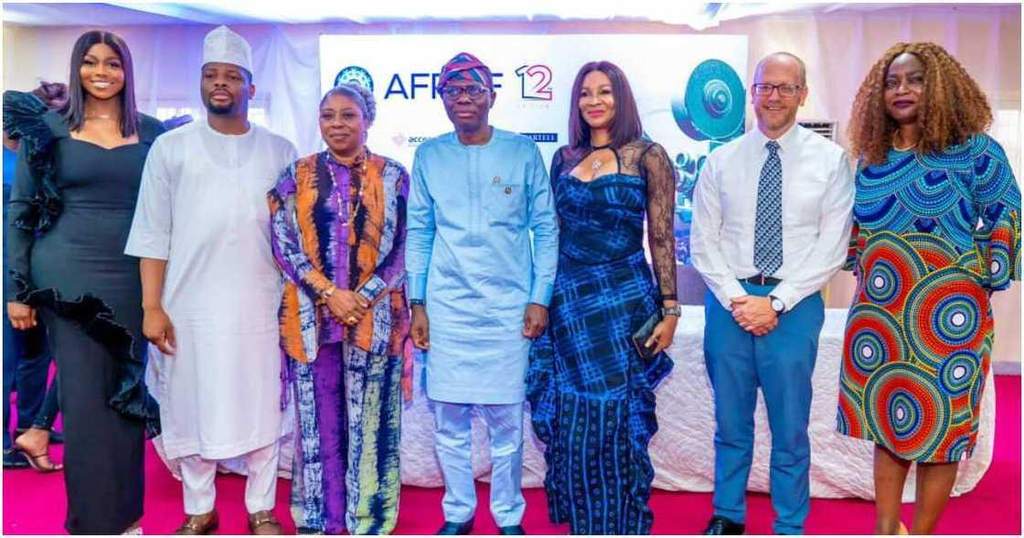
The AFRIFF 2026 red carpet was one of the defining visual attractions of the festival.
As guests arrived, the occasion became a showcase of fashion, personality and individual expression. Actors, filmmakers, musicians and creative professionals brought their own interpretations of red-carpet style, creating a colourful collection of looks and memorable photographs.
Rita Dominic made a striking appearance in red, while Ugo Mozie brought his distinctive fashion sensibility to the occasion. TG Omori, whose work is closely associated with bold visual expression, was among the creative personalities adding to the evening’s star power.
Yaya DaCosta brought international screen presence to the gathering, while other familiar faces added to the excitement as guests exchanged greetings, posed for photographs and caught up with friends and colleagues.
The red carpet was more than an entrance to the venue. It was a celebration in its own right — a meeting point for fashion, film, music and celebrity, with every arrival contributing to the atmosphere of a major African entertainment occasion.
The Martell Nigeria activation, with its bar and photo-booth experience, added to the social setting, giving guests another opportunity to enjoy the evening and capture memories.
For a festival celebrating African creative intelligence, the red carpet offered a visible expression of that creativity through clothing, presentation, design and personal style.
AFRIFF Globe Awards 2026: A Grand Finale in Lagos
The high point of the seven-day celebration came on Saturday, 7 November 2026, when the AFRIFF Globe Awards took over the Grand Ballroom of the Oriental Hotel, Lagos.
The ceremony brought the festival to a fitting close, combining red-carpet glamour with performances, award presentations and tributes to people whose work has contributed to African and international cinema.
Hosted by Osas Ighodaro and Keturah King, the awards night brought together film professionals, actors, industry leaders and entertainment personalities for an evening celebrating achievement across the screen industries.
The entertainment programme added a lively dimension to the ceremony. Go Creationz brought dance and movement to the stage, while Timi Dakolo delivered a performance of Great Nation. JustBlnde entertained the audience with Omo to Sexy, while D’banj, popularly known as the Koko Master, brought his familiar musical energy to the occasion.
One of the evening’s notable cinematic moments was the presentation of Rise of the Machine, associated with Odumodublvck and directed by TG Omori.
Presented as a world premiere, the project brought together two recognisable names from Nigeria’s contemporary music and visual storytelling scenes.
The ceremony also recognised a wide range of filmmakers and productions, with awards spanning feature films, short films, documentaries, animation, acting, directing and screenwriting.
AFRIFF 2026 Winners: Films and Filmmakers Taking Home the Globes
The official AFRIFF 15 winners’ announcement recognised productions and creative talents from different parts of the film industry.
Among the major awards, Slum Bomber, directed by Maureen Jolly Nankya, received Best Feature Film.
Olive Nwosu won Best Director for LADY, while Adanne, directed by Orobosa Ikponmwen, received the Audience Choice Award.
Variations on a Theme, directed by Jason Jacobs and Devon Delmar, received the Special Jury Prize for Outstanding Film.
The acting categories recognised Sarah Karei as Best Female Actor for One Woman, One Bra, directed by Vincho Nchogu, while Stevenson Jean received Best Male Actor for his performance in The Tropic Sun and His Eyes, directed by Elisee Junior St Preux.
Other AFRIFF 15 Globe Award Winners
- Best International Feature: The Tropic Sun and His Eyes — directed by Elisee Junior St Preux.
- Best Short Film: The Spectacular Death of Prisca — directed by Kaelo Iyizoba.
- Best Documentary: Miss Jobson — by Amanda Sans Pantling.
- Special Mention, Documentary: For Life — by Ahmet Seven.
- Best Animation: Lice n’ Shine — by Maria Byoma.
- Best International Short: Little Soldier — by Roxana Karami.
- Best Student Short: Sinai America — by Rewan Musa.
- Best Documentary Short: Throne of Wood — by Sadegh Kazemi.
- Best Screenplay: Elisee Junior St Preux for The Tropic Sun and His Eyes.
- Pulse Award for Emerging Filmmaker: Kaelo Iyizoba, director of The Spectacular Death of Prisca.
The spread of awards demonstrated the range of filmmaking recognised at this year’s festival, from animation and student productions to documentary storytelling, international features and emerging directorial talent.
It was also a moment for filmmakers whose work may not always command the same public attention as major commercial releases to receive recognition before an audience of industry peers.
Herbert Wigwe Award for Excellence Honours African Cinema Leaders
Among the significant recognitions of the evening was the Herbert Wigwe Award for Excellence, named in memory of the late Herbert Wigwe, whom AFRIFF described as a champion of African creativity.
The award celebrates individuals whose vision and dedication have helped carry African cinema to the world.
This year’s honourees included Danielle Brooks, Francis Nebot, Kene Okwuosa and Joel Chikapa-Phiri.
Danielle Brooks, the Academy Award-nominated actress, Grammy Award winner and producer, was recognised for her exceptional talent and achievements on the global stage.
In her acceptance remarks, she expressed her pleasure at receiving the recognition in Nigeria and encouraged African and American creatives to move beyond admiration towards creating together.
Francis Nebot was honoured for his vision, leadership and contribution to the global evolution of African cinema, particularly through the relationships and creative connections that support international collaboration.
Kene Okwuosa was recognised for his pioneering leadership and contribution to African cinema, exhibition and distribution. As co-founder of Filmhouse Cinema, his work has been associated with the growth of cinema exhibition and the business of bringing films to audiences.
Joel Chikapa-Phiri was honoured for more than three decades of leadership and innovation in film and television. A builder and pioneer of African cinema, his contribution reflects the importance of the people who work beyond individual productions to strengthen the wider industry.
The four honourees represented different aspects of the creative ecosystem: performance, international relationships, exhibition and industry leadership.
Their recognition gave the awards ceremony an opportunity to celebrate not only the people who make films, but also those whose work helps African cinema grow and travel.
AFRIFF at 15: Fifteen Editions, One Family
As the lights came up on the final night, AFRIFF 15 brought a week of stories, performances, conversations and encounters to a close.
The festival’s post-event message looked back on seven days during which audiences filled the screens at Filmhouse Landmark, attended masterclasses, participated in AFCM panels and continued conversations long after screenings ended.
It thanked filmmakers, volunteers, partners and audiences, describing the festival as a shared achievement.
That sense of community is central to AFRIFF’s 15-year journey.
What began with the idea of putting African stories before the people who love them has grown into a gathering that brings together creative voices from across the continent and beyond.
The red carpets and awards may provide the most photographed moments, but the heart of the festival remains the films and the people who make them possible.
AFRIFF 15 offered a celebration of that entire community: the directors and actors, the writers and producers, the musicians and fashion creatives, the industry professionals, the volunteers and the audiences who came to share in the experience.
From LADY opening the festival to the final Globe presented at the Oriental Hotel, the 15th edition was a reminder of how far African cinema has travelled — and how much creative energy continues to emerge from the continent.
Fifteen editions. One family. And a world of African stories still waiting to be told.
