

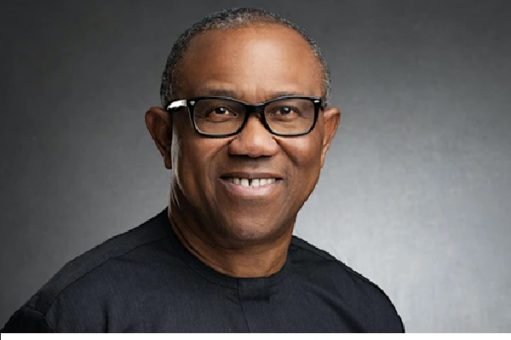
A former Governor of Anambra State, Peter Obi, has called on Nigerians not to vote for President Bola Tinubu in the next general election, citing the president’s failure to improve electricity supply as earlier promised.
In a post shared on his X account on Saturday, Obi recalled that Tinubu, during the 2023 presidential campaign, had urged Nigerians to deny him a second term if he failed to deliver stable power within four years.
Quoting the president, Obi said, “If I don’t give you constant electricity in four years, don’t vote for me for a second term.”
The former presidential candidate argued that the condition set by Tinubu had not been met, insisting that Nigerians should hold the president accountable to his own pledge.
He described the current power situation as a “glaring display of disregard for promises and a lack of trust,” noting that electricity generation had declined from over 4,000 megawatts recorded when Tinubu assumed office in 2023 to below that level on average, even as tariffs have increased.
Obi also cited data showing Nigeria’s per capita electricity consumption at 144 kilowatt-hours, compared to the African average of 617 kWh, which he said underscored the country’s worsening energy crisis.
According to him, “When he took office in 2023, Nigeria had a power supply of over 4,000 megawatts and lower tariffs. Today, the electricity power supply is less than 4,000 megawatts on the average, and Nigerians are paying higher tariffs.”
He further referenced what he described as a revealing moment during Tinubu’s brief stopover at Jos Airport on April 2, 2026, where the president reportedly cited the absence of electricity as a reason for limiting his visit.
“You have no light here — I fly out in ten minutes,” Obi quoted the president as saying, arguing that the remark reflected a disconnect between the leadership and the realities faced by ordinary Nigerians.
Obi urged citizens to use future elections to demand accountability and better governance, stressing that the persistent electricity crisis points to broader issues of leadership and capacity.
“Now is the time to stop incompetent leaders — those lacking the capacity and compassion — who prioritise their own comfort over the well-being of the people and make empty promises,” he said.
