

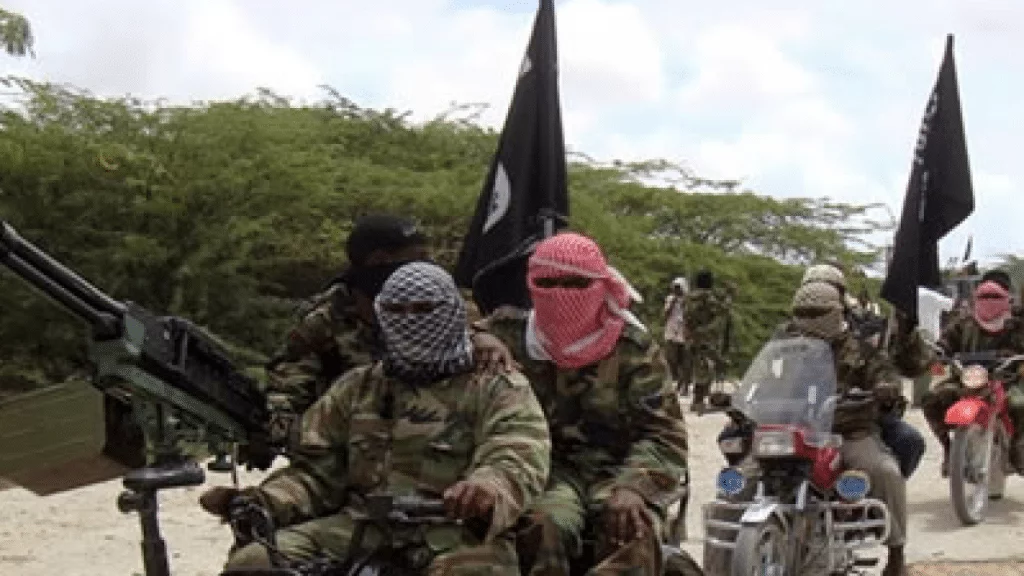
Nigeria and other governments battling terrorism such Boko Haram, ISWAP and other security threats across the Sahel region, is possibly been hampered by limited access to modern arms, ammunitions and technologies, a new global arms transfer data has shown.
A report by Stockholm International Peace Research Institute, SIPR, highlighted the widening security gap facing Nigeria and other African countries, as the continent continues to account for only a marginal share of modern weapons imports despite mounting security threats.
According to SIPRI Africa represented just about 4.5 per cent of worldwide imports of major weapons systems between 2024 and 2025. The figure contrasts sharply with Europe’s dominant position, where defence procurement surged to roughly 48 per cent of global transfers amid intensifying geopolitical tensions and the continuing war in Ukraine.
The SIPRI assessment focuses on the physical movement of military hardware, including combat aircraft, armoured systems, missile platforms and naval assets. The report did not deal with the financial value of contracts.
Analysts say the findings reflect a troubling imbalance between Africa’s rising exposure to insecurity and its comparatively limited access to advanced defence capabilities.
Across the continent, total recorded arms inflows were modest, with North African states leading procurement efforts. Egypt ranked as Africa’s largest importer during the period, followed by Morocco and Algeria, countries that have prioritised conventional force modernisation and strategic deterrence.
Nigeria’s acquisitions were considerably lower, placing it among mid-level importers globally. More striking was a sharp drop in the country’s arms inflow between 2024 and 2025, despite ongoing military operations against insurgent groups and persistent internal security deployments. The decline is seen by observers as a reflection of budgetary pressures and shifting procurement strategies rather than a reduction in operational demand.
Other countries such as Ethiopia and Sudan also recorded notable import levels, largely linked to internal conflicts and evolving security dynamics. Meanwhile, states including Kenya, Angola and Mauritania maintained moderate but steady procurement patterns.
Globally, Europe’s dominance in arms imports was driven by a rapid rearmament cycle following Russia’s invasion of Ukraine and US President Donald Trump’s push for the continent’s member of the North Atlantic Treaty Organisation, NATO, to take more responsibility for alliance military burden.
Kyiv emerged as the single largest recipient of weapons transfers, supported by sustained military assistance from Western governments. Poland, Germany and several other European states also accelerated defence acquisitions in response to heightened threat perceptions.
On the export side, the United States remained the world’s principal supplier of major weapons systems, accounting for a significant share of global deliveries. France consolidated its position as the second-largest exporter, while Russia’s overseas sales continued to decline amid sanctions pressures and the demands of its domestic war effort. Germany and Israel were also listed among leading suppliers.
Security observers argue that Africa’s relatively small share of global arms flows does not indicate reduced need but rather reflects structural economic constraints and competing national priorities. For Nigeria in particular, the data underscores the continuing challenge of balancing defence modernisation with fiscal realities, at a time when insecurity remains a central national concern.
With militant threats, cross-border crime and regional instability showing little sign of easing, analysts warn that limited access to advanced military equipment could complicate response capabilities across parts of the continent. The report is therefore likely to feed into broader debates on defence spending, security partnerships and long-term strategic planning in Africa’s largest economies.
