

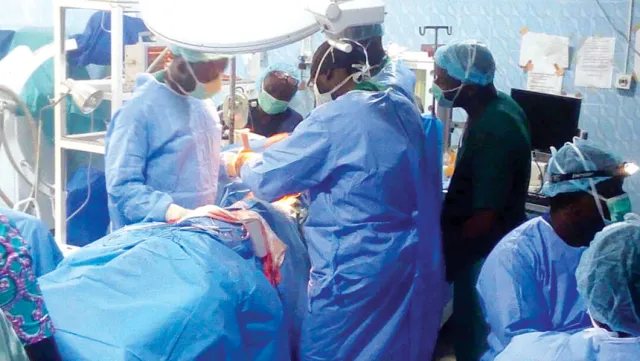
Telemedicine is rapidly becoming a cornerstone of healthcare delivery in Nigeria, offering a solution to some of the most pressing challenges in the sector, including inadequate access to medical services, especially in rural areas. With the ongoing digital transformation, telemedicine has the potential to bridge the gap between healthcare providers and patients, revolutionizing how care is delivered in the country.
The Rise of Telemedicine in Nigeria
Telemedicine involves the use of telecommunications technology to provide clinical health care from a distance. In Nigeria, telemedicine platforms such as DoktorConnect, Mobihealth, and Tremendoc have emerged as key players, enabling patients to consult with doctors, receive prescriptions, and access medical advice without the need to visit a hospital or clinic physically.
The COVID-19 pandemic significantly accelerated the adoption of telemedicine in Nigeria, as lockdowns and social distancing measures made traditional in-person consultations challenging. Telemedicine became a vital tool for maintaining healthcare delivery, allowing patients to access care while minimizing the risk of virus transmission.
Benefits and Impact
The benefits of telemedicine in Nigeria are manifold. For patients in remote or underserved areas, telemedicine provides access to medical specialists and healthcare services that would otherwise be unavailable. It also reduces the time and cost associated with traveling to urban centers for care.
For healthcare providers, telemedicine offers a more efficient way to manage patient consultations, reduce the burden on overcrowded hospitals, and extend their reach to a larger population. It also facilitates continuous care for patients with chronic conditions, who can regularly check in with their doctors without the need for frequent hospital visits.
Telemedicine is also improving health outcomes by enabling earlier diagnosis and treatment. Patients can receive medical advice promptly, reducing the risk of complications and improving the chances of recovery.
Challenges and Barriers
Despite its potential, telemedicine in Nigeria faces several challenges. The lack of reliable internet access and digital literacy, particularly in rural areas, limits the reach of telemedicine services. Additionally, the high cost of data and the limited availability of smartphones or computers among the general population hinder widespread adoption.
There are also concerns about the quality of care delivered through telemedicine. The lack of physical examination poses a challenge for accurate diagnosis, and there are risks associated with miscommunication or misunderstanding between patients and doctors during virtual consultations. Furthermore, regulatory and legal frameworks for telemedicine are still evolving, creating uncertainties around issues such as patient confidentiality, data security, and malpractice liability.
The Future of Telemedicine in Nigeria
For telemedicine to fulfill its potential in Nigeria, several steps are necessary. Improving digital infrastructure, particularly in rural areas, will be crucial for expanding access to telemedicine services. Government initiatives, such as the National Broadband Plan, aim to increase internet penetration, but additional efforts are needed to ensure affordability and accessibility for all.
Training healthcare providers on the use of telemedicine platforms and addressing concerns about the quality of care through the development of best practices and guidelines will be essential. Additionally, strengthening regulatory frameworks to address legal and ethical issues in telemedicine will help build trust and confidence in these services.
Public-private partnerships can play a vital role in scaling telemedicine in Nigeria. Collaboration between the government, healthcare providers, and tech companies can drive innovation, improve service delivery, and ensure that telemedicine becomes an integral part of Nigeria’s healthcare system.
In conclusion, telemedicine offers a promising solution to many of the challenges facing Nigeria’s healthcare sector. By leveraging technology to improve access to care, telemedicine has the potential to transform healthcare delivery in Nigeria, making it more efficient, equitable, and accessible to all.
