

The Federal Ministry of Finance has dismissed recent media reports suggesting that a significant portion of Nigeria’s federation earnings is being diverted or concealed as “hidden spending,” describing such claims as a misinterpretation of the latest Nigeria Development Update released by the World Bank.
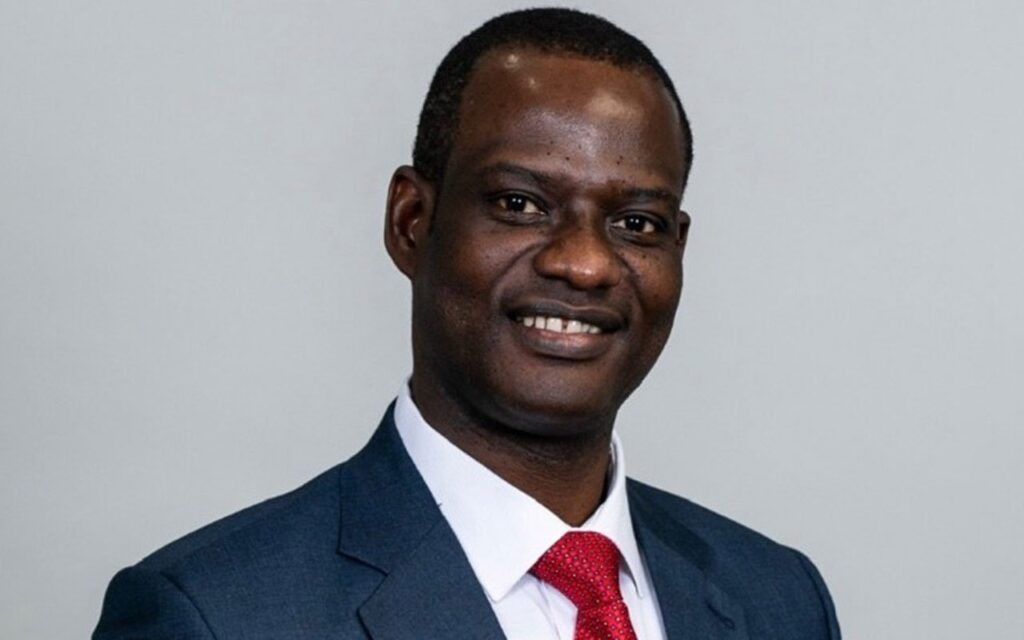
In a statement issued on April 19, 2026, the Minister of State for Finance, Taiwo Oyedele, said the narratives circulating in parts of the media reflect a misunderstanding of the country’s fiscal framework and the World Bank’s analysis.
The ministry clarified that deductions made by the Federation Account Allocation Committee (FAAC), which have been labelled in some reports as waste or missing funds, are legitimate and transparent components of public finance. These deductions, according to the statement, cover statutory transfers, savings and investments, security-related expenditures, cost-of-collection charges, refunds to Ministries, Departments and Agencies (MDAs), as well as transfers and interventions that benefit subnational governments.
It stressed that such allocations, including refunds and transfers to states, should not be misconstrued as leakages, noting that they represent lawful fiscal obligations and statutory disbursements across different tiers of government.
The ministry also faulted what it described as the selective use of outdated data in some commentaries, which it said ignored forward-looking aspects of the World Bank report and ongoing reforms in public financial management. It highlighted that measures introduced in early 2026, including a new executive order aimed at safeguarding petroleum revenue remittances, are already addressing concerns around deductions.
According to the ministry, the World Bank report projects that these reforms will enhance transparency and increase revenues available for distribution by approximately 0.4 per cent of Gross Domestic Product annually.
Beyond the disputed interpretations, the statement noted that the broader findings of the World Bank report present a positive outlook for Nigeria’s economy. It pointed to improvements such as more broad-based economic growth, a gradual decline in inflation driven by policy measures, stronger external reserves alongside a current account surplus, and a reduction in the country’s debt-to-GDP ratio—the first in over a decade.
The ministry maintained that the report does not suggest a failing fiscal system but instead underscores that ongoing reforms are yielding results and should be sustained to achieve inclusive growth.
Reaffirming the government’s position, the ministry said it remains committed to enhancing fiscal transparency, boosting revenue mobilisation, and ensuring efficient public spending. It also called on stakeholders, media organisations, and the public to engage responsibly with fiscal data and avoid interpretations that could undermine confidence in Nigeria’s economic reform efforts.
