

The Federal Governor of Nigeria recently hinted at a further increase in energy prices. The latest hike comes as most households and businesses grapple with band categorisation that has increased energy costs by about 300% for Band A consumers.
Fortunately, there are several strategies that can help cut power costs and promote a more sustainable energy future. Below is a list of energy-efficient technologies, renewable energy sources, and smart energy management that significantly reduce costs for homes and businesses.
Business:
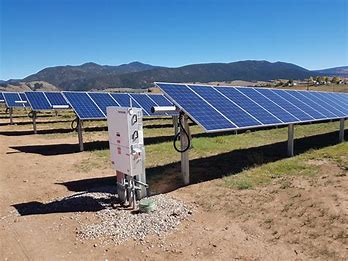
Photo: Solar panel can help businesses and homes cut energy cost
Renewable Energy: Solar panels, wind turbines, or biomass can reduce reliance on the expensive grid or diesel generators.
Switch to energy-efficient appliances: fortunately for business owners and households alike, technology evolution is producing cheaper alternatives to all appliances and working tools. Some of this includes LED lighting, inverter air conditioners, and efficient machinery, which can significantly lower energy use.
Energy management systems (EMS): These can help businesses monitor power usage in real-time, optimize consumption, and avoid high peak tariffs.
Enhancing generator efficiency: Fuel-efficient generators, including those that run on LNGs and CNGs, when regularly maintained, can reduce fuel costs. Using cogeneration systems, which recycle excess heat, can further increase efficiency.
Microgrids, local energy systems powered by renewable sources: these can offer more reliable and affordable power than the national grid, especially in areas with frequent outages.
HOUSEHOLD
Switch to energy-efficient appliances: There are inverter alternatives for almost any appliances and equipment these days – from air-conditioners to fridges, water pumps etc. Switching to any of these may seem expensive in the short run, but it will be economically smart in the long run.
Replacing incandescent bulbs with LED lights: these as well as using energy-efficient refrigerators and air conditioners can lower consumption. Solar panels and solar water heaters can also help cut grid reliance and reduce energy costs.
Adopting energy-saving habits. Years of subsidised electricity have made many Nigerians lazy and uncaring about their electricity habits. Turning off lights and appliances when not in use, and unplugging devices will help save the kobo and the naira itself.
Sealing gaps around windows and doors, using blinds to block heat, and improving ventilation can reduce the need for air conditioning or heating.
Switch from electric plate to gas cooker: Gas stoves are more energy-efficient and cheaper to run than electric stoves.
Regular maintenance of appliances like refrigerators and air conditioners helps them run efficiently and use less power.
Install smart meters: these help households to track real-time energy use, making it easier to spot areas where savings can be made.
Community-based energy solutions: smaller households can pool resources to install solar or wind power can lead to lower costs for everyone.
By adopting these strategies, businesses and households can lower power costs, improve energy efficiency, and contribute to a more sustainable energy future in Nigeria.
