

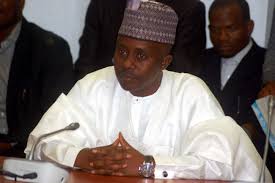
By Oghenekevwe Kofi, Lagos
Once heralded as the “Golden Boy” of Nigerian politics, Farouk Lawan embodied the qualities that many Nigerian youths sought in a hero: bravery, eloquence, and a compelling presence. With a voice that resonated like a sabre, he engaged effectively with the media and garnered support from activists. As the leader of the Integrity Group in the House of Representatives, Lawan was perceived as a reformer, instrumental in unseating the first female Speaker, Rt Hon Patricia Etteh, amidst allegations of corruption.
From that moment on, he was touted as presidential material, and the public battles that he undertook burnished his image from his northern Nigerian turf to the oil-drenched Southsouth. He attracted publicity like sugar does ants and he frequently covered the front pages of newspapers and magazines.
However, Lawan’s trajectory would soon take a dramatic turn. In an abrupt fall from grace reminiscent of Humpty Dumpty, Lawan transitioned from a symbol of anti-corruption efforts to a caricature emblematic of Nigeria’s systemic graft by 2012. Though not as weighty as the fabled character, Lawan’s was impactful, and it remains to be seen how the horsemen can get this humpty-dumpty together after this great fall from grace to disgrace.
His rise to prominence was solidified during his tenure in the House of Representatives, where he chaired an ad-hoc committee investigating allegations of fraud within Nigeria’s fuel subsidy program. The petrol subsidy program, intended to ease fuel costs for citizens, had devolved into a mechanism for extensive corruption, with billions siphoned off by oil companies in the downstream sector and corrupt officials of the national oil companies. Lawan’s committee was expected to restore accountability and uncover the truth regarding the missing funds.
In April 2012, it appeared that Lawan was on the cusp of fulfilling this mission. His committee identified several companies, including Zenon Petroleum and Gas, owned by billionaire Femi Otedola, as participants in the fraudulent activities.
In a shocking turn of events, Otedola accused Lawan of soliciting a $3 million bribe to exclude his Zenon oil from the committee’s report. This accusation was substantiated by video evidence showing Lawan accepting $500,000 in cash, purportedly a part of the bribe.
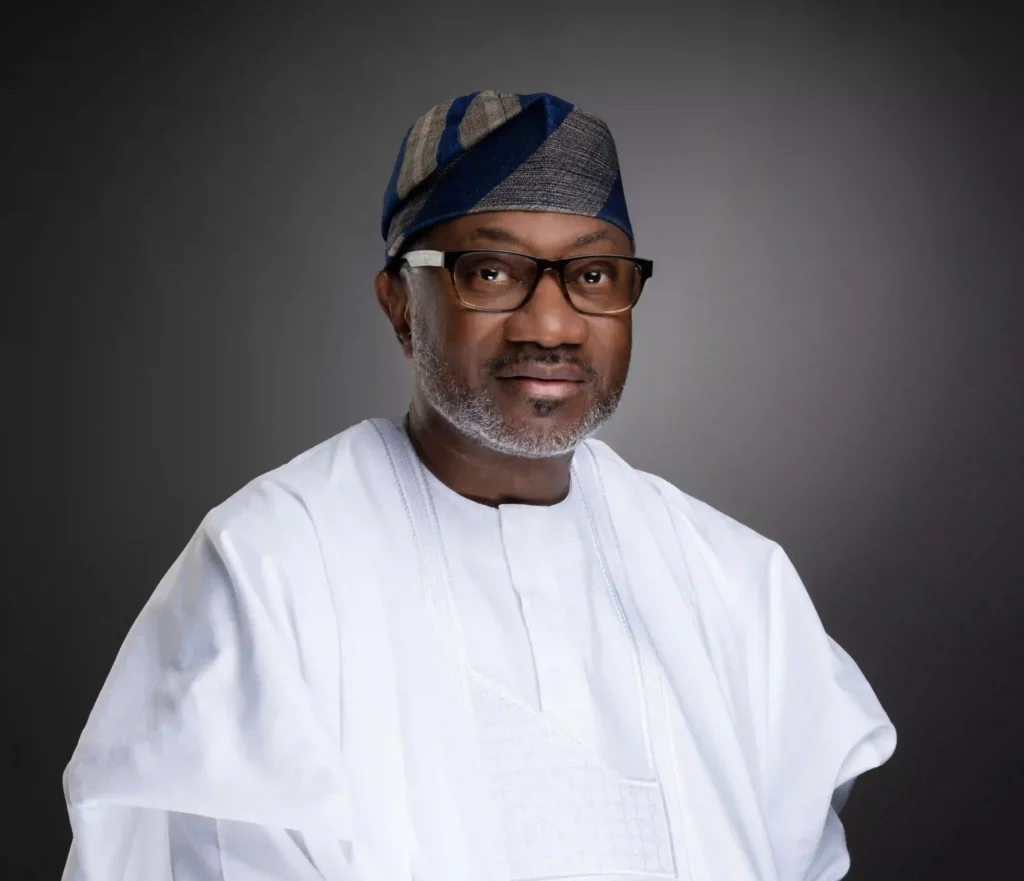
Femi Otedola, the billionaire who nailed Lawan
Faced with undeniable evidence, Lawan’s defence faltered. He initially claimed that he accepted the money as part of a “sting operation” aimed at exposing Otedola’s bribery attempt. However, his failure to report the incident to anti-corruption authorities immediately raised suspicions. Subsequently, Lawan was charged with soliciting and accepting bribes, leading to public disgrace and a protracted legal battle.
In 2021, Lawan was convicted by the High Court of the Federal Capital Territory and sentenced to five years in prison for accepting the bribe. His appeals were rejected by both the Court of Appeal and the Supreme Court, which upheld the verdict and affirmed that the evidence against him was compelling. The court emphasized that Lawan’s actions undermined the very justice system he was meant to uphold.
His sentencing represented a significant assertion of Nigeria’s commitment to combating corruption, a pervasive issue within the country’s political landscape. Nevertheless, it also highlighted the challenges of addressing graft, as those entrusted with enforcing accountability were often found to be compromised themselves. Lawan’s downfall exemplified the fragility of Nigeria’s institutions and the difficulties inherent in ensuring accountability at the highest levels of government.
Having completed his five-year sentence, Lawan has regained his freedom, marking both an end to one chapter of his life and the beginning of another. Upon his release, he stated, “Today marks the beginning of a new chapter in my life as I step out of Kuje Custodial Centre, with a heart full of gratitude to Allah SWT for seeing me through this trial.” His remarks reflect a sense of closure and a focus on his future following years of legal turmoil and imprisonment.
However, his release does little to mitigate the damage inflicted upon his political legacy. The individual who once represented integrity now serves as a cautionary tale regarding the corrupting influence of power. Lawan’s story remains a stark reminder that in the fight against corruption, scrutiny must extend to all, including those who position themselves as champions of justice.
