

By Douglas Maha, with agency reports
U.S. President Donald Trump has announced suspension of the planned attack on Iranian power and energy infrastructure, raising cautious optimism of peace in the trouble Middle East.
Trump in a Truth Social post on Monday morning, said the US and Iran “Have over the last two days, very good and productive conversations regarding a complete and total resolution of our hostilities in the Middle East”.
Speaking further, he said, “Based on the tenor and tone of these in depth, detailed, and constructive conversations, witch (sic) will continue throughout the week, I have instructed the Department of War to postpone any and all military strikes against Iranian power plants and energy infrastructure for a five day period, subject to the success of the ongoing meetings and discussions.”
Trump’s remarks come after Washington warned it could target Iranian electricity and energy facilities if Tehran failed to ensure safe navigation through the Strait of Hormuz, a vital global oil shipping route. The warning had intensified fears of a broader regional confrontation, with Iranian commanders threatening retaliation against U.S. interests and allied energy assets if such attacks were carried out.
Iranian officials have reacted cautiously to Trump’s claim of progress, reiterating that any strike on domestic infrastructure could prompt counter-measures, including potential disruption of maritime traffic through the strait. The waterway handles a significant share of the world’s crude exports, making it a focal point of global energy security concerns.
Analysts say Trump’s suggestion of productive dialogue may indicate a temporary diplomatic opening aimed at easing immediate tensions and stabilising volatile oil markets.
However, they caution that underlying disputes over maritime security, regional influence and military deterrence remain unresolved, leaving the risk of miscalculation high.
The standoff has unfolded amid increased military deployments and sharp rhetoric on both sides, raising concerns that any escalation — such as attacks on energy installations or naval assets — could trigger a wider conflict involving regional powers.
Observers say sustained de-escalation will depend on whether back-channel contacts can translate into concrete confidence-building measures in the coming days.
However, the Iranians may still not let their guards down in view of their past experiences with the US, who, along with Israel, has attacked the country in the midst on negotiations, notably the nuclear talks, which was said to be progressive well before the February 28 strike.
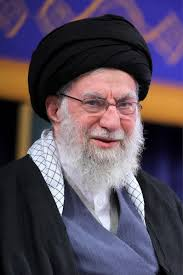
The Iranian Supreme Leader, Ayatollah Ali Khomenei, was among several key leaders killed by US/Israel attacks, which sparked the ongoing crisis.
