

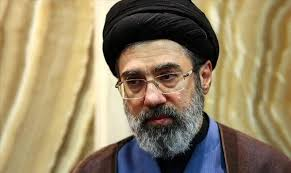
Iran’s new Supreme Leader, Ayatollah Mojtaba Khamenei, warned that U.S. forces must leave the Middle East and vowed continued resistance to Western pressure in his first televised wartime address, heightening fears of further regional escalation.
In the broadcast late Wednesday, Khamenei said Iran would not retreat under what he described as foreign aggression and pledged to reinforce the country’s military posture as fighting involving Iran, the United States and Israel intensifies.
“The era of foreign military domination in this region must end,” he said, urging neighbouring states to reconsider security ties with Washington.
Khamenei warned that U.S. bases across the Gulf could become targets if hostilities persist and signalled Tehran’s readiness to exert pressure on global crude flows through the Strait of Hormuz, a vital artery for world energy supplies.
Oil markets remained volatile, with prices hovering near recent highs amid fears that any disruption to tanker traffic could trigger fresh supply shocks.
The White House condemned the remarks as dangerous escalation.
A National Security Council spokesperson said the United States remained committed to protecting its forces and ensuring freedom of navigation.
“Iran’s leadership should choose de-escalation rather than inflammatory rhetoric,” the official said.
Pentagon officials confirmed troop deployments in the Gulf remain unchanged but noted strengthened force-protection measures.
Israeli officials dismissed the speech as an attempt to project strength after weeks of military pressure.
A senior security source said Israel remained prepared for “any scenario,” including further missile exchanges or attacks by Iran-aligned groups.
Regional governments responded cautiously, calling for diplomacy and warning that threats to shipping routes or foreign bases could undermine economic stability.
Saudi Arabia and the United Arab Emirates reiterated support for dialogue while stressing their right to defend critical infrastructure.
The address came amid lingering uncertainty over Khamenei’s health following reports he was injured in an earlier strike that killed his father and predecessor.
He has not appeared publicly since assuming power, fuelling speculation about internal dynamics in Tehran during wartime.
Analysts say the speech points to preparation for a prolonged confrontation rather than rapid de-escalation.
With oil markets on edge and military forces on heightened alert, the address is likely to reinforce expectations that tensions could widen before diplomatic progress emerges.
