

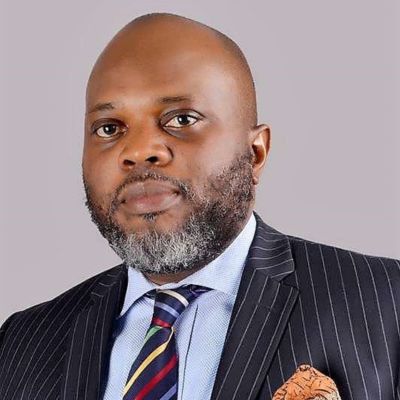
By Gabriel Efe, Lagos
Nigeria’s economic landscape is abuzz with the announcement of Tope Fasua’s appointment as Special Adviser on Economic Matters to President Bola Tinubu. An economist with a strong presence in Nigeria’s policy discussions, Fasua is now positioned to influence the country’s fiscal strategy. This significant appointment carries considerable responsibility and appears to be a natural, if somewhat overdue, fit for someone of his expertise.
The Man Tope Fasua
For years, Fasua has been a respected figure in economic discourse, known for his advocacy of policy reforms aimed at fostering a more sustainable and self-sufficient Nigeria. A graduate of the London School of Economics and founder of Global Analytics Consulting, his work spans finance, policy strategy, and thought leadership. He has consistently championed rigorous, data-driven solutions to some of Nigeria’s most persistent economic challenges, such as inflation, foreign dependency, and the nation’s heavy reliance on imports.
However, despite the high-profile nature of this appointment, Fasua’s response on social media has been notably understated. In his initial Facebook post following the announcement, he stated, “I have been appointed as the Special Adviser on Economic Matters to the President. This is a great honour and an even greater responsibility… May God grant us wisdom.” This brief acknowledgement marked a departure from the usual extensive public engagement expected from someone in his position.
The Silent Approach: A Strategic Choice or Caution?
For those familiar with Fasua, this reserved demeanour may come as a surprise. He has traditionally been outspoken about Nigeria’s economic issues. Yet, in light of this significant new role, he has maintained a low profile. There are no detailed discussions of his agenda, no alignment of his vision with that of President Tinubu on platforms like LinkedIn, and certainly no extensive analyses outlining his plans for Nigeria’s economic future. In an era where public figures often utilize social media to articulate their strategies, Fasua’s silence is conspicuous.
What could explain this? Is it a strategic choice to gradually acclimate to his responsibilities before making public commitments? Or perhaps he is assessing the current administration’s direction to determine where he can contribute most effectively? Regardless, he is proceeding with caution, and while this might leave some followers in suspense, it is essential to recognize that silence does not equate to inactivity.
What Lies Ahead in This Role?
Fasua faces a monumental task. As Special Adviser on Economic Matters, he will address pressing issues that affect millions of Nigerians, including the weakening naira and soaring inflation. The challenges ahead require pragmatic and immediate solutions, potentially necessitating advocacy for fiscal responsibility, economic diversification, and possibly difficult spending cuts. Yet, with limited public insight into his strategic direction, questions arise regarding the alignment of his personal beliefs with Tinubu’s economic agenda.
His subdued entry into this role invites speculation about his intentions, but it may also suggest a desire to make an impact in a less public manner. For now, he has not championed specific policies or released statements clarifying his stance, which could indicate a focus on foundational work or strategic pacing in response to the scrutiny that accompanies his new position.
The Implications of His Cautious Tone
In a country where public perception significantly influences opinion, this approach carries inherent risks. Fasua has been an outspoken advocate for policy reform, and many of his followers likely anticipated a similar fervour in light of his new title. By refraining from broadcasting his views, he leaves room for both anticipation and speculation, perhaps drawing a line between his objectives and the public’s demand for immediate reassurance.
However, this understated presence could ultimately benefit him. By prioritizing substantive work over visibility, Fasua might surprise observers with meaningful progress behind the scenes. This measured silence could serve as a strategy to maintain objectivity while allowing himself the necessary space to integrate fully into the administration before committing to public declarations.
Conclusion: Observing the Journey
Tope Fasua’s appointment arrives at a pivotal moment, and regardless of whether he opts to disclose more information or maintain his discretion, Nigerians will be watching closely. His expertise brings a sense of promise to this crucial role, even as he currently allows his actions to speak for themselves.
In essence, Fasua’s quiet approach might be precisely what the position requires: a steady, focused influence working behind the scenes to effect meaningful change. Alternatively, it may be the calm before he reveals a comprehensive economic vision. Only time will clarify his intentions, but one certainty remains: his silence has piqued collective curiosity.
