

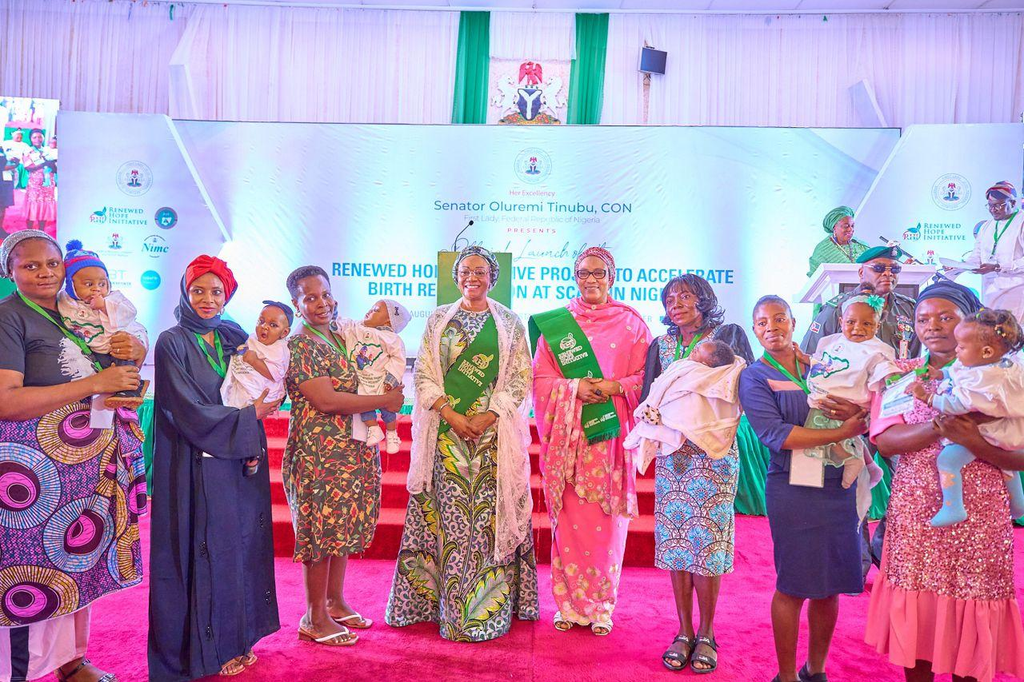
They are politicians, professionals, advocates and private figures shaping the personal and political narratives of the men seeking Nigeria’s highest political office. Here are the women behind the Nigeria’s 2027 presidential candidates.
As Nigeria heads towards the January 16, 2027 presidential election, attention has largely focused on the men seeking the country’s highest office. But behind the rallies, campaign strategies and political calculations are women whose lives, careers and public profiles are closely connected to the race.
From the familiar face of First Lady (Sen) Oluremi Tinubu and Atiku Abubakar’s wife, Titi Abubakar, to Margaret Obi, Opeyemi Sowore, Onari Duke and Tamunominini Makinde, these women occupy very different positions in Nigerian public life. Some have political experience; others are advocates, professionals, businesswomen or private citizens who have largely stayed away from the political spotlight. Yet each offers another perspective on the men seeking to lead Nigeria in 2027.
In a country where political ambition is frequently a family enterprise, the presidential spouse occupies an unusual position. She is neither an elected representative nor necessarily a member of the candidate’s political inner circle. Yet she can be an important public communicator, an influential figure in decision making, as was Dame (Mrs) Patience Jonathan, wife of former President Goodluck Jonathan. Nigeria’s First Lady cann also be a bridge to constituencies that political parties struggle to reach, a custodian of a candidate’s personal image and, occasionally, a political personality in her own right.
Remi Tinubu: The First Lady With Political Experience
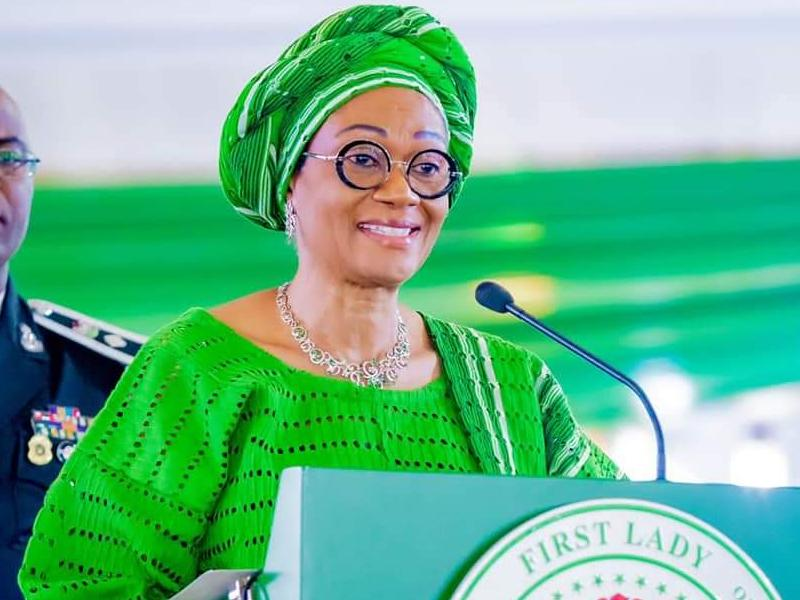
First Lady Oluremi Tinubu ahead of Nigeria's 2027 presidential electionRemi Tinubu is perhaps the most politically experienced woman in the group.
The First Lady of Nigeria and former senator represented Lagos Central in the National Assembly after serving as First Lady of Lagos State from 1999 to 2007, during her husband Bola Ahmed Tinubu’s tenure as governor.
Since becoming First Lady of Nigeria, she has focused much of her public work through the Renewed Hope Initiative, with programmes targeting women, children, education, healthcare and vulnerable communities.
Her political experience gives her a role beyond ceremonial appearances. She understands campaigning, public communication and the pressures that come with political office. At the same time, her visibility has made her subject to the same scrutiny that follows her husband’s administration.
Titi Abubakar: Atiku’s Advocate and Political Partner
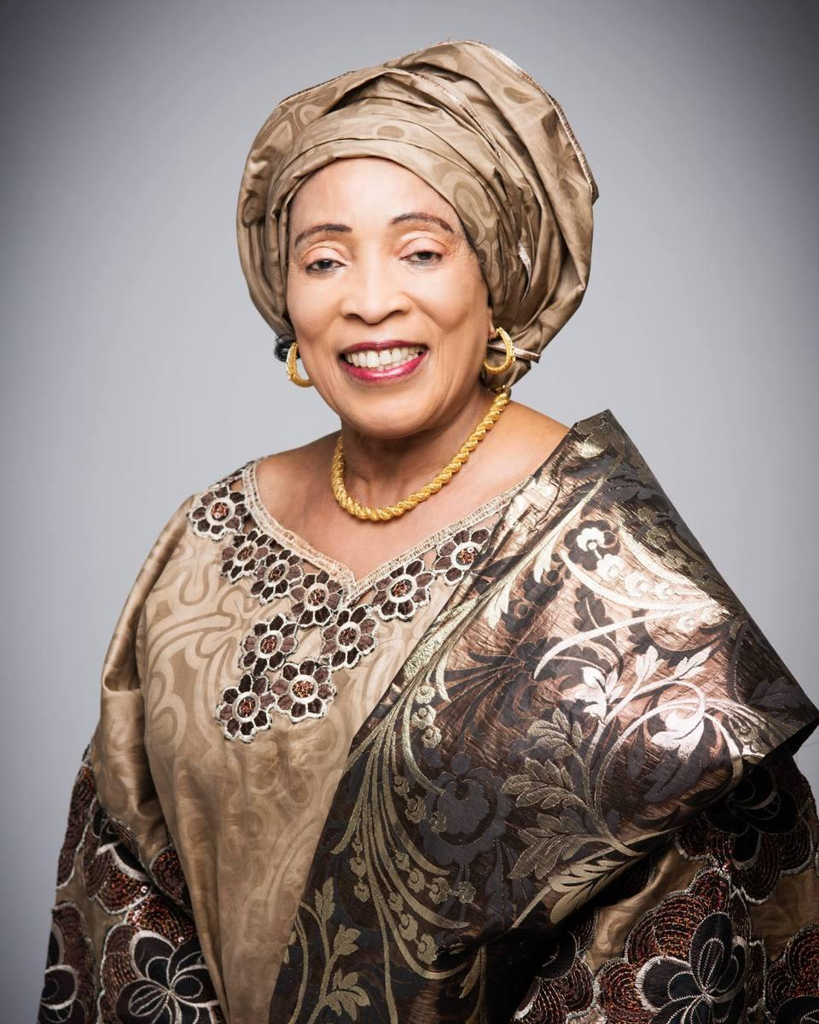
Titilayo Abubakar, popularly known as Titi, has built a public identity largely around social advocacy.
The wife of former Vice President Atiku Abubakar and Presidential candidate of the African Democratic Congress (ADC), is the founder of the Women Trafficking and Child Labour Eradication Foundation (WOTCLEF), an organisation focused on combating human trafficking and child labour.
Her advocacy has given her a platform independent of her husband’s political career, although the two have remained closely connected through his long political journey.
For Atiku, whose presidential ambitions have stretched across several election cycles, Titi represents a public-facing partner whose work has often centred on social issues affecting women and children.
Margaret Obi: The Private Life Behind Peter Obi (NDC)
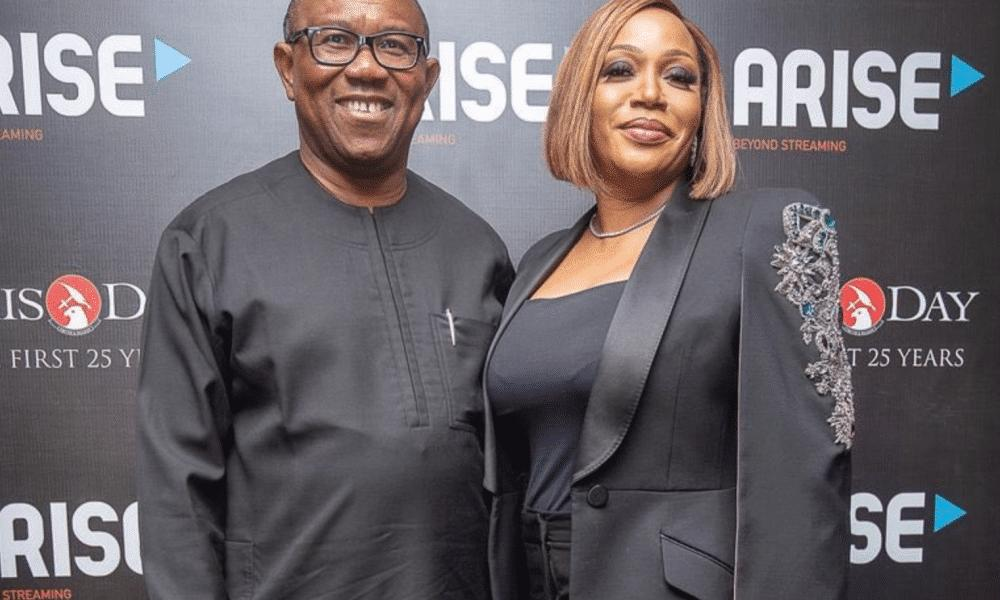
Margaret Brownson Obi occupies a very different space.
The wife of Peter Obi has largely maintained a private profile despite her husband’s growing prominence in Nigerian politics. Married to the former Anambra State governor since 1992, she has generally avoided the sustained public exposure that accompanies political campaigns.
Her relative privacy is notable in a political environment where spouses are often expected to campaign, appear at rallies and maintain public profiles.
Margaret’s story raises a different question: can the spouse of a major presidential candidate remain largely outside the political spotlight while still influencing the personal and political environment around the candidate?
Opeyemi Sowore: The Woman Behind the Activist
Opeyemi Sowore is married to Omoyele Sowore (AAC), the activist, journalist and political campaigner whose career has often been marked by confrontation with the establishment.
Her husband’s activism, arrests and periods of detention have brought a different kind of pressure to the family. Unlike the spouses of conventional political figures, Opeyemi’s experience is tied to the personal cost of sustained political activism.
Sowore has also said he would not establish an Office of the First Lady if elected president, arguing that the position is not constitutionally recognised.
That position makes Opeyemi’s role particularly interesting. Rather than preparing for a conventional First Lady’s office, she would potentially be entering a political environment where her husband has deliberately rejected the traditional model.
Onari Duke: Lawyer, Businesswoman and Former First Lady
Onari Duke brings political experience of her own.
A lawyer and business executive, she served as First Lady of Cross River State while her husband, Donald Duke, was governor from 1999 to 2007.
Donald Duke became widely known for his focus on tourism, urban development and culture during his time in office. Onari’s legal and business background gave her a professional identity alongside her public role.
Her experience offers an example of a political spouse who has maintained a professional identity while also occupying a prominent public position.
Tamunominini Makinde: Engineer, Businesswoman and Philanthropist
Tamunominini Makinde, an engineer, businesswoman and philanthropist, is the wife of Oyo State Governor Seyi Makinde, the presidential candidate of Alliance People Movcement (APM)
Her public activities have included programmes focused on women, children and vulnerable communities. Her professional background also gives her an identity separate from her husband’s political career.
As Seyi Makinde pursues a presidential ambition under the Allied Peoples Movement, her role could become more visible, although she has largely maintained a measured public presence.
The Women Who Have Chosen Different Roads
Not every political spouse has the same level of visibility.
Gertrude Manyo Onor, wife of PDP presidential candidate Sandy Ojang Onor; Lilian Adebayo, wife of SDP candidate Adewole Adebayo; Jane Onyinye Nwanyanwu, wife of Zenith Labour Party candidate Daniel Nwanyanwu; Obidiya Jennifer Okereke, wife of Labour Party candidate Sunday Chibuzo Okereke; Zainab Adhama, wife of ADP candidate Aliyu Abbas-Bin; Jane Adenuga, wife of Boot Party candidate Sunday Adenuga; and Alhaja Barakat Treasure Adebisi, wife of Democratic Leadership Alliance candidate Moses Olusoji Adebisi, represent another side of the political story.
Some have public profiles of their own. Others have remained largely away from campaign politics.
Adebisi, for instance, is a co-founder of Thrillers Virtual Agency and Treasure Home of Beauty, giving her a professional identity outside her husband’s political career.
Their relatively lower visibility highlights an important point: being married to a presidential candidate does not automatically translate into a political role.
The First Lady Question: Who Really Needs an Office?
Nigeria has no constitutional Office of the First Lady.
Yet successive occupants of the position have established programmes, foundations and public initiatives that have given the role considerable visibility and influence.
This creates a complicated space between tradition and constitutional authority. First Ladies can champion social causes, mobilise women and children, and draw attention to issues that might otherwise receive less political attention. But questions about funding, accountability and the boundaries of their influence have persisted.
Sowore’s position against establishing an Office of the First Lady therefore touches on a broader debate: should the role remain an informal platform attached to the presidency, or should its activities be clearly defined and accountable?
Beyond Their Husbands: Women and Political Power
There is another question about how Nigerian politics views the women connected to powerful men.
Too often, political spouses are discussed only in relation to their husbands. Yet these women have professional identities, personal convictions and experiences that deserve consideration outside the political fortunes of their partners.
They can also influence conversations about women, children, education, healthcare, social welfare and other issues that affect voters.
More importantly, women close to presidential candidates can sometimes offer insights into the values and priorities of the people seeking power. Their influence does not necessarily have to come from campaign stages or political appointments. It can also happen through private conversations, advocacy and the issues they choose to champion publicly.
The Women Will Not Be on the Ballot. Their Influence May Still Matter.
The women surrounding Nigeria’s presidential candidates come from different backgrounds and have chosen very different levels of public involvement.
Remi Tinubu brings years of political experience. Titi Abubakar has built a reputation around social advocacy. Margaret Obi has largely chosen privacy. Opeyemi Sowore represents the family side of confrontational political activism. Onari Duke has experience as both a professional and former First Lady, while Tamunominini Makinde combines engineering, business and philanthropy.
The others may not command the same national visibility, but their presence still forms part of the broader political ecosystem around the candidates.
Ultimately, Nigerians will not vote for their spouses. They will vote for a president, a government and a direction for the country.
But the people closest to those seeking power can reveal something about their values, relationships and political culture.
They may not appear on the ballot. They may never occupy an elected office. Some may never even mount a campaign platform. But in Nigerian politics, where personal relationships and public power have long travelled together, the women behind the presidential candidates are no longer merely part of the background.
They are part of the story. And the country would do well to pay attention.
