

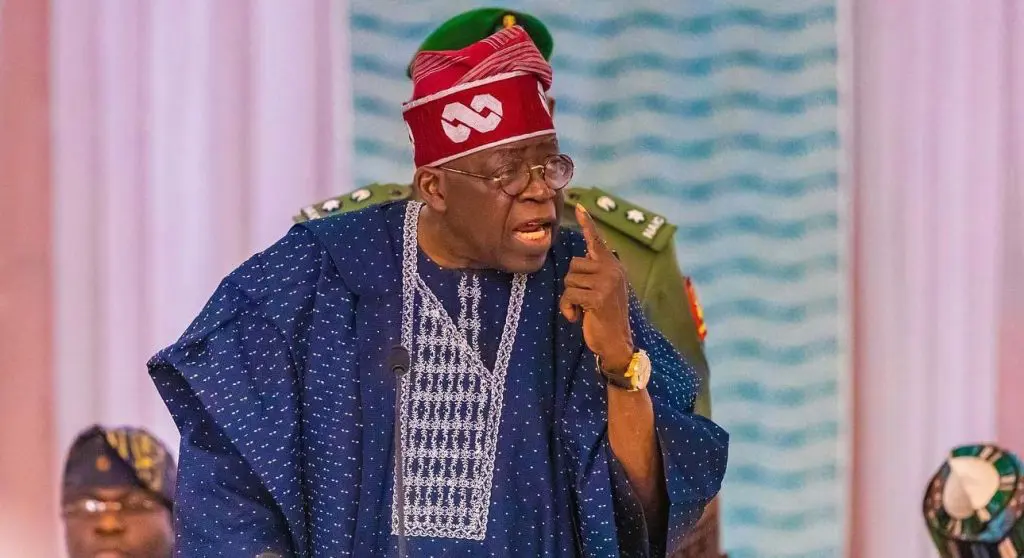
Former Vice President Atiku Abubakar has launched a strong rebuttal against President Bola Ahmed Tinubu, accusing him of hypocrisy, historical distortion, and intellectual dishonesty following recent remarks targeting his record.
In a statement issued on Friday by his Senior Special Assistant on Public Communication, Phrank Shaibu, Atiku’s camp described the president’s comments as a “reckless tirade,” alleging they reflected desperation and a pattern of selective memory.
The response followed Tinubu’s remarks on Thursday night, where he criticised Atiku’s handling of Nigeria’s privatisation programme during his time in government.
Shaibu argued that the president’s critique collapses under scrutiny, claiming Tinubu had previously opposed reforms similar to those his administration is now pursuing. He cited several companies, including Oando Plc, Conoil Plc, Ardova Plc, Indorama Eleme Petrochemicals, Benue Cement Company, and Transcorp Hilton Abuja, as evidence of the success of the privatisation programme overseen by Atiku.
He further accused the current administration of lacking transparency in its handling of the national oil company, alleging that its commercialisation process has been carried out without clear valuation or accountability.
The statement also took a swipe at the president’s educational background, suggesting that a better understanding of historical records would have informed his comments. It referenced The Accidental Public Servant, a book by Nasir El-Rufai, as documenting the privatisation process as a structured effort aimed at improving efficiency and promoting private sector-led growth.
Atiku’s camp also criticised the tone of Tinubu’s remarks, warning that resorting to mockery undermines serious national discourse and reflects poorly on leadership.
Highlighting the current economic situation, the statement said many Nigerians are grappling with rising inflation, declining purchasing power, and business closures, arguing that ongoing reforms have translated into hardship without clear relief.
The statement concluded by urging the president to exercise restraint in his public comments, noting that Nigerians are closely observing developments.
