

By Deborah Nnamdi
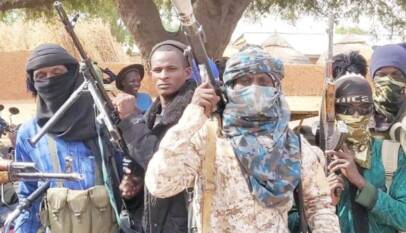
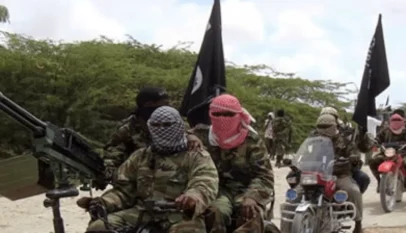
A wave of fear has engulfed Isa Local Government Area in Sokoto State as terrified residents flee their homes following menacing threats from notorious bandit kingpin, Bello Turji, who remains one of Nigeria’s most wanted criminals.
In the past 72 hours, communities in Bafarawa, Arume, Gebe, and Kamarawa have emptied, with residents abandoning their homes en masse. Locals say Turji issued a stark ultimatum to the villages of Kamara, Arume, and Kagara: vacate by 4:00 p.m. Sunday or face deadly consequences.
“This isn’t an idle warning. We know what Turji has done before. We fled with nothing but what we were wearing,” said Malam Shehu, an elder from Bafarawa now sheltering in a nearby village.
Turji, a central figure in the violent insurgency plaguing Nigeria’s northwest, is known for orchestrating devastating attacks. His threats are rarely ignored—and often followed by brutal silence before tragedy strikes.
Residents and local sources confirm that his renewed threats have caused widespread panic in at least three districts, triggering the mass displacement of families, farmers, and traders.
“This is not just another raid. These are coordinated threats, and they’re carried out without consequence. If nothing is done, more communities will fall,” warned Musa Abdullahi, a resident who fled from Kagara.
Many residents are expressing outrage at what they describe as a lack of effective government response. Some allege that Turji enjoys protection from unidentified powerful figures, adding to growing frustration and suspicion.
“How can someone this dangerous operate so openly? The silence from those in authority is unacceptable,” said Amina Yusuf, a civil society advocate in Sokoto.
The fallout is severe. Beyond Bafarawa and the directly threatened villages, fear has spread to places like Surudubu, Tsullawa, and Garin Fadama. Schools are closed, markets are deserted, and livelihoods lie in ruin.
Despite government assurances of security reinforcements, skepticism remains high. Locals say previous interventions have failed to halt the violence or offer real protection.
“We don’t just want soldiers standing around—we want real action. People are dying, homes are burning. How much worse must it get?” said Hajiya Rabi, a mother of five who fled Arume.
Civil society organizations, religious leaders, and human rights groups are now calling for urgent, coordinated intervention, warning that the situation risks spiraling into a humanitarian catastrophe if ignored.
As night falls over the anxious towns of Isa LGA, one question continues to haunt its residents: How many more warnings must be ignored before decisive action is taken to end Bello Turji’s reign of terror?