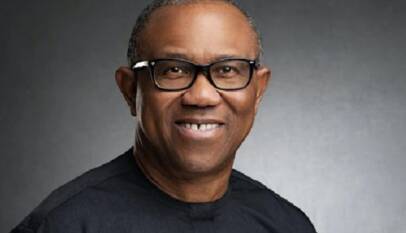

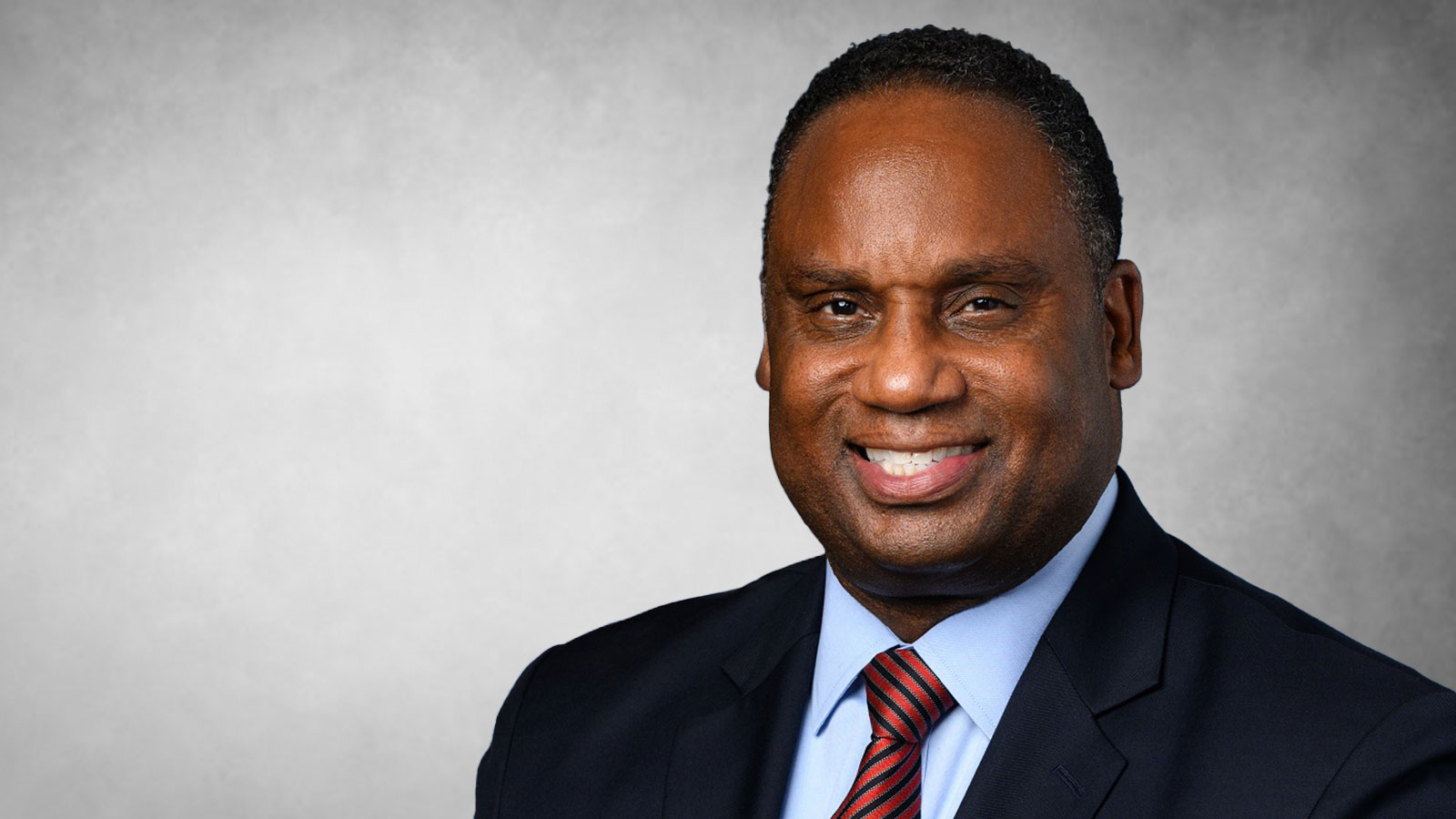
U.S. Congressman Jonathan L. Jackson has dismissed what he described as the “dangerous fiction” that Nigeria is engaged in a one-sided religious war against Christians, warning that such claims distort the realities of one of Africa’s most diverse nations.
Speaking during a congressional hearing in Washington, DC, on Thursday, Jackson said growing international narratives of Christian persecution in Nigeria are “simplistic” and fail to capture the country’s complexity. He noted that Nigeria’s population of nearly 240 million people, made up of more than 250 ethnic groups and two major religions that have coexisted for generations, cannot be reduced to claims of an intentionally targeted religious conflict.
“A country of nearly 240 million people, home to 250 ethnic groups and two major religions – Christianity and Islam – that have coexisted and built a society together for generations. The idea that this nation simply engaged in a one-sided religious war, I believe, is dangerous fiction,” he said.
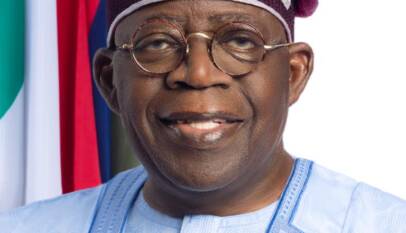
Jackson stressed that Nigeria’s insecurity is driven by multiple forces, including terrorism, banditry, communal clashes, economic difficulties, and governance challenges—none of which reflect a single-faith agenda. He pointed to the religious diversity within the Tinubu administration, noting that President Bola Tinubu, a Muslim, is married to a Christian, and that five of Nigeria’s nine top security chiefs are Christians.
“Nigeria is a diverse, complex democracy, and we must treat it as such. The suffering in Nigeria is immense. Insecurity is a major issue for all Nigerians. We must stand firmly with every victim and survivor,” he said. “Violence against any person of faith is not acceptable. With approximately 8,000 civilians of all faiths killed so far this year, the pain felt by Christians and Muslim communities alike deserves our compassion, and again not our exploitation.”
He also pushed back against proposals for a heavy U.S. military response, urging American policymakers to prioritise diplomacy and deeper engagement with Nigeria’s internal security reforms. “The answer, I believe, will not be American bombs or boots on the ground. We have not given diplomacy an exhausted chance,” Jackson said.
Jackson’s remarks come after U.S. President Donald Trump re-designated Nigeria as a “country of particular concern,” a label for nations accused of severe violations of religious freedom. Trump further inflamed tensions by warning that the U.S. military would enter Nigeria “guns-a-blazing” to eliminate Islamic terrorists, prompting the U.S. military to draft contingency plans in line with his directive.
His comments served as a counterweight to the escalating rhetoric, urging Washington to adopt a more nuanced understanding of Nigeria’s challenges and avoid actions that could worsen an already volatile situation.