
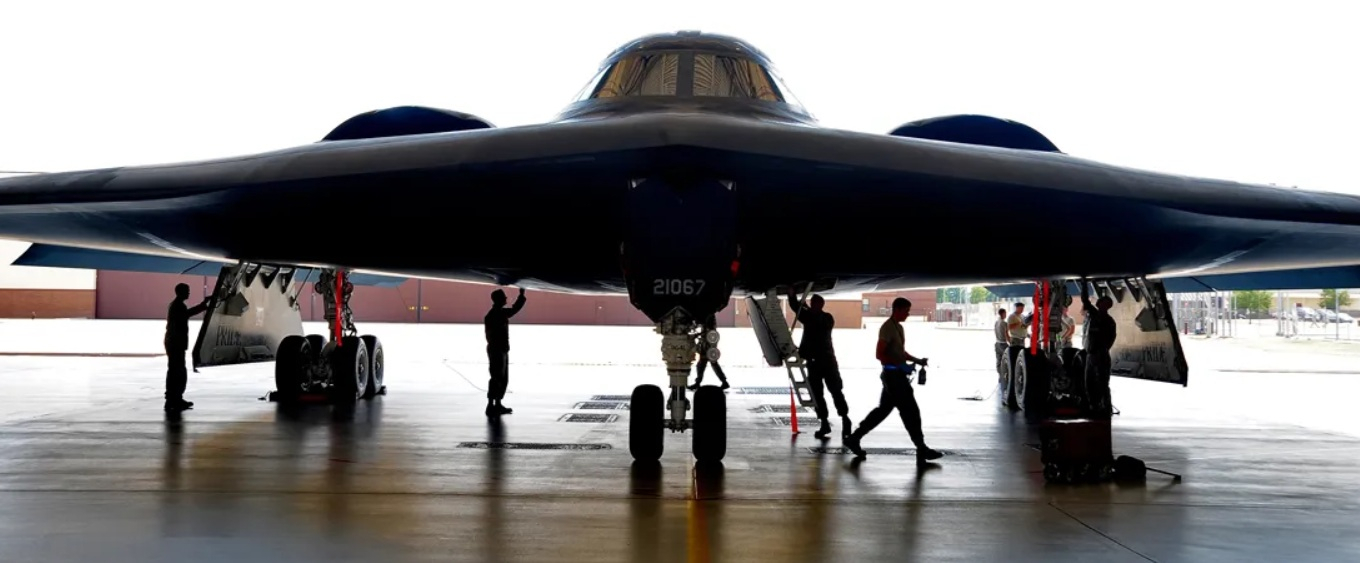
US airstrikes on Iran used the B-2 Stealth Bomber
By Didimoko A. Didimoko with agency reports
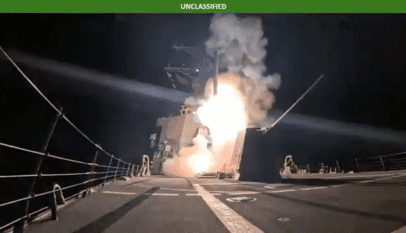
The United States ‘of America’s airstrikes on Iran’s major nuclear facilities are escalating already fragile relations in the Middle East and triggering a sharp rise in global oil prices. The targeted bombing—confirmed by the Pentagon—struck fortified enrichment sites at Natanz, Fordow, and Esfahan, in what US officials called a “preventive operation” to stop Tehran from achieving nuclear weapons capability.
Iran has denounced the strikes as an act of war, vowing “everlasting consequences” and immediately launching retaliatory missile attacks against Israeli military targets in the Golan Heights. The Iranian government also expelled UN nuclear inspectors and warned it may withdraw from the Non-Proliferation Treaty (NPT), marking a significant step back from global nuclear oversight.
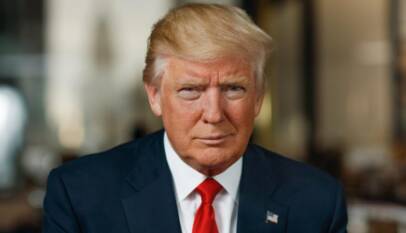
Speaking at a White House press briefing, President Donald Trump said the US airstrike on Iran operation was “a spectacular success” and claimed it had “crippled Iran’s nuclear ambitions.” However, regional experts and international analysts have warned the consequences could be long-lasting, destabilizing, and far-reaching.
“This may delay Iran’s programme, but it will not dismantle it,” said Ali Vaez, director of the Iran Project at the International Crisis Group. “The technical knowledge survives—and the political will to respond is stronger than ever.”
Dr Mordechai Kedar, a Middle East expert at Israel’s Bar-Ilan University, defended the strikes, calling them “necessary for global stability.” Meanwhile, Beirut-based analyst Michael Awad warned that “the move could unleash a proxy war across the region, with repercussions involving not just Iran and Israel but also the Gulf states and potentially Russia or China.”
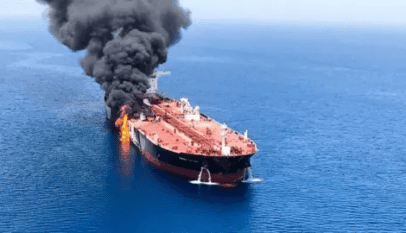
Oil prices surged by more than 11% following the news, with Brent crude exceeding $105 per barrel for the first time since 2022. Fears that Iran may block the Strait of Hormuz, a vital oil shipping route, have led to tanker rerouting, increased war-risk insurance, and energy market volatility. Energy analysts warn of ongoing shocks if tensions remain unresolved.
In the Gulf, Saudi Arabia, the UAE, and Bahrain condemned the US air strikes on Iran as dangerously unilateral. A joint GCC statement warned of “wider conflict risks that threaten regional economic and energy security.”
The UN Secretary General, António Guterres, described the strikes as “deeply troubling” and called for restraint. The European Union convened an emergency meeting, urging all sides to return to diplomacy and warning that “global non-proliferation efforts are now in serious jeopardy.” Russia and China both criticized the US action, calling it a violation of international law and expressing support for Iran’s right to peaceful nuclear development.
Within, the US airstrikes on Iran have sparked a domestic debate over their legality and timing. Members of Congress from both parties expressed concern over the lack of formal authorization and the potential for the conflict to escalate into a prolonged military entanglement.
Military officials confirm the operation significantly damaged infrastructure at Natanz and Fordow, but experts remain cautious about the long-term impact. Iran maintains stockpiles of enriched uranium and the technical ability to resume development—possibly now at undisclosed or underground sites.
“You can destroy a facility, but you can’t erase a nation’s knowledge,” said Vaez. “And now there’s even less incentive for Iran to cooperate with inspectors or engage in future negotiations.”
The US airstrikes on Iran also threaten to unravel recent diplomatic efforts between Iran and regional powers. Over the past two years, fragile talks had resumed between Tehran and Riyadh, raising hopes of easing sectarian and strategic divides. Those talks now appear suspended, if not entirely collapsed.
“This isn’t just a military strike—it’s a diplomatic rupture,” said a senior Gulf diplomat. “It undoes years of effort in a single night.”
With Tehran weighing its next moves and international actors calling for de-escalation, the world faces a critical juncture. The aftermath of the airstrikes on Iran’s nuclear sites will shape the Middle East’s security, energy markets, and global diplomacy for the year.
US airstrikes on Iran.