

By Deborah Nnamdi
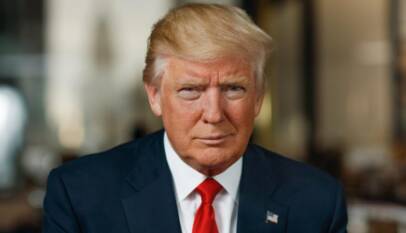
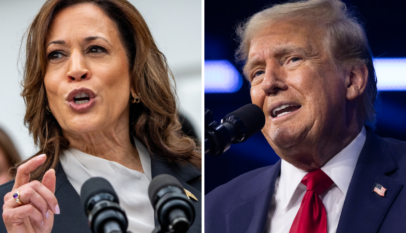
President Donald Trump has launched a blistering attack on the Supreme Court of the United States following its decision to invalidate a key pillar of his tariff policy, accusing several justices of lacking courage and suggesting they were influenced by foreign interests.
Speaking during a press briefing at the White House hours after the ruling, Trump said he was “ashamed” of the six justices who voted against his sweeping tariffs. He described their decision as “deeply disappointing” and branded some members of the court a “disgrace to our nation.”
In a 6–3 judgment delivered on Friday, the court ruled that the emergency law relied upon by the administration — the International Emergency Economic Powers Act — does not grant the president authority to unilaterally impose broad tariffs. The majority held that such sweeping economic powers require clear approval from Congress.
Chief Justice John Roberts, writing for the majority, stated that while the court was not judging the economic wisdom of tariffs, it was bound to enforce constitutional limits on executive power.
“The President asserts the extraordinary power to unilaterally impose tariffs of unlimited amount, duration, and scope,” Roberts wrote. “He must identify clear congressional authorisation to exercise it.”
Justices Amy Coney Barrett and Neil Gorsuch, both appointed by Trump during his first term, joined Roberts and the court’s three liberal justices in the majority. Their votes drew particular criticism from the president, who called their stance “an embarrassment to their families” and declined to say whether he regretted nominating them.
Trump went further, alleging without evidence that some justices were motivated by foreign powers. When pressed by reporters to substantiate the claim, he responded, “You’re going to find out.”
Despite the setback, Trump announced a new 10 percent global tariff and pledged to maintain several existing trade measures under alternative statutes. He insisted that he did not need fresh congressional approval, arguing that the authority had “already been approved.”
The now-invalidated tariffs had formed the centrepiece of Trump’s second-term economic strategy and a major tool of his foreign policy. Imposed under the IEEPA and justified by declared emergencies ranging from fentanyl trafficking to trade deficits, the measures targeted imports from Canada, China, Mexico, and dozens of other trading partners. It was the first time in the nearly 50-year history of the law that it was used to levy tariffs.
Lower courts had allowed the tariffs to remain in effect while the legal challenge proceeded. According to U.S. media, the ruling is expected to trigger a wave of refund claims from companies seeking to recover billions of dollars paid under the invalidated measures. Major firms, including Costco, Toyota group companies, and Revlon, had reportedly begun legal moves ahead of the decision.
While sector-specific tariffs on steel and aluminium imposed under separate laws remain unaffected, the judgment marks the first significant legal setback for Trump’s expansive view of presidential authority following a series of prior Supreme Court decisions that had favoured him.
The ruling is likely to intensify debate in Washington over the balance of power between Congress and the presidency, particularly concerning the limits of emergency authority in peacetime.