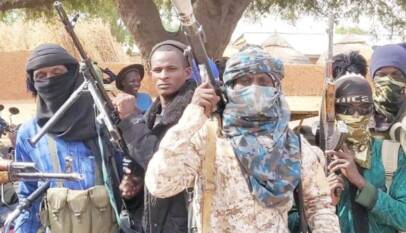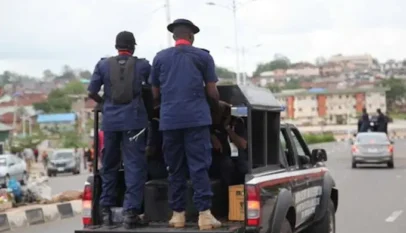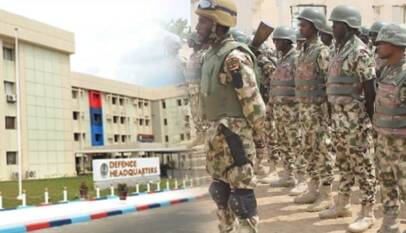

Nigeria’s Senate has launched a far-reaching inquiry into the country’s worsening security crisis, questioning why soldiers stationed at Government Girls Secondary School, Maga, in Kebbi State vanished only hours before heavily armed bandits stormed the area and abducted dozens of students.
Lawmakers, visibly unsettled during Wednesday’s plenary, said the withdrawal of troops from one of the region’s most vulnerable schools raised troubling questions about operational failures and possible sabotage. The Senate’s joint security committee has been tasked with unravelling the chain of events and must report back within two weeks.
Their investigation will also probe the killing of Brigadier-General Musa Uba, whose death has added to growing public anger over the military’s mounting casualties in the face of expanding extremist and criminal networks.
In a rare internal shake-up, senators voted to dissolve two of their key oversight bodies — the committees on National Security and Intelligence, and the Air Force — citing the need for a complete reset. Fresh committees are expected to be constituted as part of broader parliamentary reforms.
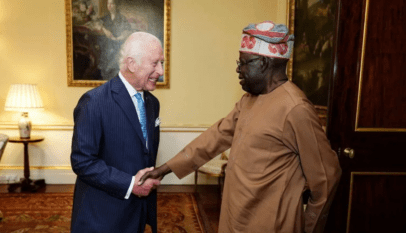
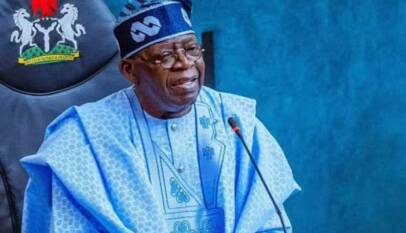
Senate leadership will also meet President Bola Tinubu to present what lawmakers described as “non-negotiable security priorities”, following days of renewed attacks across northern states.
The resolutions stemmed from a motion by Deputy Senate Leader Lola Ashiru, who warned that communities in Kwara, Kebbi and Niger were being overwhelmed by kidnappers, armed gangs and militant groups operating with increasing boldness.
While commending security forces for recent rescue operations, the Senate insisted that “piecemeal interventions” were inadequate. Lawmakers urged intelligence agencies to step up coordinated operations until every abducted person in the country is accounted for and the perpetrators captured.
They also called for stronger backing for local vigilante groups, saying rural communities often fend for themselves long before national forces arrive. Several senators pushed for a review of Nigeria’s restrictive firearms laws, arguing that citizens in at-risk areas should be allowed regulated access to defensive weapons — a position they say reflects global practice.
In another major policy shift, the chamber resolved to seek deeper security cooperation with the United States and other allies, particularly in intelligence analysis, counter-terrorism training and technology transfer.
A minute of silence was observed for the victims of recent violence.
During debate, Deputy Senate President Jibrin Barau attributed the recent spike in attacks to extremist groups trying to exploit international narratives, referencing comments by former US president Donald Trump about the alleged targeting of Christians in Nigeria. Barau said such statements had emboldened dangerous elements seeking to destabilise the country.
“They move in organised convoys. They wield sophisticated weapons,” he said. “The only logical response is the deployment of advanced technology.”
Senate Leader Opeyemi Bamidele acknowledged nationwide relief at the release of abductees from Kwara, Kebbi and Niger, but said Nigerians continue to seek clarity on how they were freed. Although rumours of ransom payments persist, he reiterated the government’s insistence that it does not pay kidnappers.
“What matters most,” he said, “is that they returned alive — and not one life was lost.”