
The Niger Delta, Nigeria’s oil-rich region, is once again at the center of a growing crisis as local communities demand a greater share of the revenues generated from the vast oil resources in their lands. This longstanding issue has flared up in recent months, with protests, blockades, and even threats of renewed militancy adding to the tensions.
A Legacy of Neglect
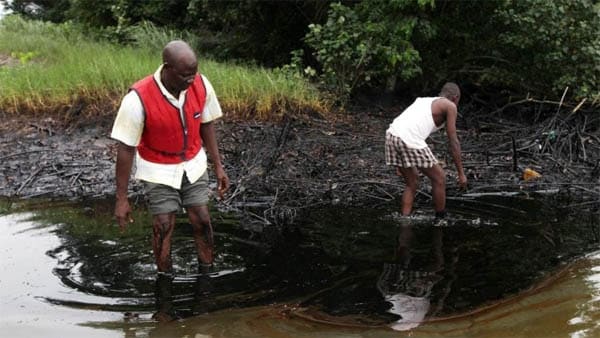
For decades, the Niger Delta has been a paradox: a region rich in natural resources but plagued by poverty, environmental degradation, and underdevelopment. Despite being the source of Nigeria’s oil wealth, which accounts for a significant portion of the national revenue, the region has seen little benefit from this wealth. Instead, oil spills, gas flaring, and other environmental hazards have devastated the local environment, while infrastructure remains woefully inadequate.
The anger and frustration of the Niger Delta communities have been exacerbated by what they perceive as the federal government’s failure to address their grievances. Despite various initiatives and agreements, including the creation of the Niger Delta Development Commission (NDDC) and the implementation of the Amnesty Program for ex-militants, many residents feel that their lives have not improved significantly.
Renewed Calls for Resource Control
The current wave of protests and demands is rooted in the broader struggle for resource control—a movement that advocates for the Niger Delta to have greater autonomy in managing and benefiting from its natural resources. The communities are demanding an increase in the derivation formula, which currently allocates 13% of oil revenue to oil-producing states, arguing that this is insufficient to address the region’s needs.
These demands have put the federal government in a difficult position. While there is recognition of the Niger Delta’s right to a fair share of oil revenues, the government also faces pressures from other regions of the country that rely on federal allocations funded by oil revenue. Balancing these competing interests is a significant challenge, particularly in a politically and economically fragile environment.
The Threat of Militancy
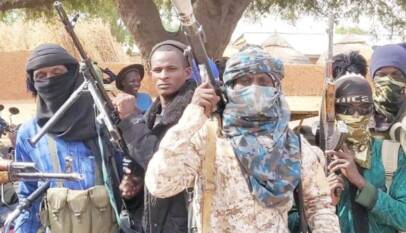
The situation in the Niger Delta is further complicated by the potential for a resurgence of militancy. The early 2000s saw the rise of armed groups in the region, who targeted oil infrastructure, kidnapped foreign workers, and demanded greater control over local resources. Although the Amnesty Program of 2009 helped to reduce violence, there are fears that the current tensions could lead to a renewed wave of militancy.
Some militant groups have already issued warnings, threatening to resume attacks on oil installations if their demands are not met. This would not only disrupt oil production and revenues but also exacerbate the already dire security situation in Nigeria, where the government is struggling to contain multiple insurgencies and conflicts across the country.
Environmental and Human Rights Concerns
In addition to the economic and political dimensions of the crisis, there are significant environmental and human rights issues at play. The Niger Delta’s environment has suffered immensely from decades of oil exploitation, with communities living in some of the most polluted areas in the world. The lack of adequate cleanup efforts, combined with ongoing oil spills, has led to severe health problems, loss of livelihoods, and the displacement of communities.
Human rights organizations have long criticized both the Nigerian government and multinational oil companies for their failure to address these issues. The current unrest has brought renewed attention to the need for environmental justice and accountability in the Niger Delta.
Conclusion: A Region at a Crossroads
The Niger Delta’s demands for a greater share of oil revenues reflect deep-seated grievances that have been left unresolved for far too long. As tensions continue to rise, there is an urgent need for a comprehensive and sustainable approach to addressing the region’s challenges. This includes not only economic and political solutions but also efforts to heal the environmental scars left by years of oil exploitation.
The future of the Niger Delta, and by extension Nigeria’s oil industry, will depend on the government’s ability to engage with local communities, address their legitimate concerns, and foster a more equitable distribution of the nation’s wealth. Failure to do so could lead to further instability, with far-reaching consequences for the entire country.