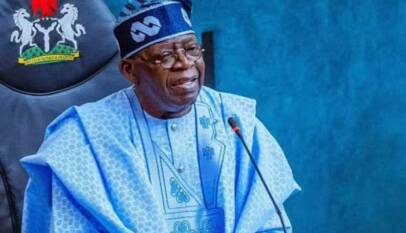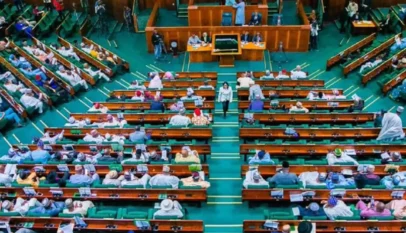

The House of Representatives has released the four tax reform Acts recently signed into law by President Bola Tinubu, following public controversy and concerns over alleged alterations to the nation’s tax laws.
The decision followed complaints raised during plenary about discrepancies between versions of the tax laws circulating in the public domain and the Acts as passed by the National Assembly. Acting on the concerns, the Speaker of the House, Tajudeen Abbas, in concurrence with the President of the Senate, Godswill Akpabio, directed the immediate release of the Certified True Copies (CTCs) of the laws, including the endorsement and assent pages signed by the President, to enable public verification.
The legislations released are the Nigeria Tax Act, 2025; the Nigeria Tax Administration Act, 2025; the National Revenue Service (Establishment) Act, 2025; and the Joint Revenue Board (Establishment) Act, 2025.
The controversy arose when a member representing Sokoto State, Abdussamad Dasuki, raised a point of privilege on the floor of the House, drawing attention to what he described as inconsistencies between certain versions of the newly enacted tax laws in circulation and the texts debated and passed by the National Assembly. He warned that the circulation of such documents, if not addressed, could undermine public confidence in the legislative process and the integrity of the laws.
Following his intervention, the House resolved to investigate the matter, prompting the Speaker to order an internal verification of the Acts and their public release to clarify the situation and dispel doubts over their authenticity.
In a statement issued on Saturday, the House spokesman, Akin Rotimi, said the release of the Acts underscored the Speaker’s commitment to transparency, legislative integrity, and public confidence in the law-making process. He explained that after a vigilant lawmaker identified discrepancies and formally reported the matter, the Speaker acted promptly by ordering verification and the immediate release of the certified Acts.
Rotimi said the tax reform process involved extensive stakeholder consultations, committee scrutiny, clause-by-clause consideration, and robust plenary debates, noting that Speaker Abbas consistently emphasised clarity, fairness, and strict adherence to constitutional and parliamentary procedures.
According to the statement, the four Acts form the backbone of Nigeria’s current tax reform framework, aimed at modernising revenue administration, improving compliance, reducing inefficiencies, eliminating duplication, and strengthening fiscal coordination across the federation.
The House assured Nigerians that the National Assembly remains an institution guided by due process, proper record-keeping, and verification systems that safeguard the authenticity of every law enacted. Quoting the Speaker, Rotimi said every bill, amendment, and Act follows a traceable constitutional and parliamentary pathway, adding that once a law is passed and assented to, its integrity is preserved through certification and legislative custody.
The Speaker further stressed that the only authentic and authoritative versions of the four tax Acts are those certified and released by the National Assembly, advising the public and stakeholders to disregard any other versions in circulation that are not duly certified.
The House also disclosed that the Clerk to the National Assembly has aligned the certified Acts with the Federal Government Printing Press to ensure accuracy, conformity, and uniformity, while hard copies have been produced and circulated to lawmakers and made available to the public.
Meanwhile, the House said the work of the ad-hoc committee set up to investigate the alleged alterations would continue. The committee, chaired by Muktar Betara, is expected to determine the circumstances surrounding the circulation of unauthorised versions of the Acts and recommend measures to prevent a recurrence.
The House reaffirmed its commitment to constitutionalism, the rule of law, transparency, and accountable governance, pledging to strengthen internal controls and protect the integrity of Nigeria’s legislative process in the interest of the Nigerian people.