
By Deborah Nnamdi
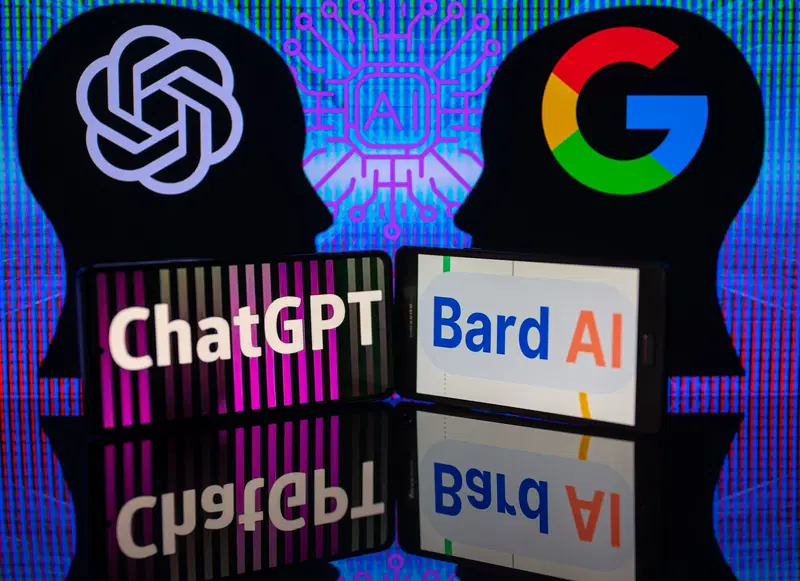
ChatGPT users in Nigeria will begin paying more for their subscriptions starting November 1, 2025, as OpenAI introduces a 7.5% Value Added Tax (VAT) on all paid services in compliance with Nigerian tax laws.
The new tax means the monthly cost of ChatGPT Plus will rise from N31,500 ($20) to about N33,862.50 ($22.43). OpenAI announced the adjustment in an email to Nigerian users, citing adherence to Section 10 of the Value Added Tax Act, Laws of the Federation of Nigeria 2004 (as amended), and the Federal Inland Revenue Service (FIRS) Information Circular 2021/19.
The company also advised subscribers to update their payment settings with their Tax Identification Number (TIN) to ensure proper tax documentation.
With this development, OpenAI joins other global tech giants such as Google, Netflix, Amazon, and Meta, which have already begun charging VAT on digital services offered in Nigeria. Authorities say the move supports government efforts to expand the tax base and improve revenue collection.
While the decision aligns OpenAI with the country’s growing digital tax ecosystem, it also means higher costs for Nigerian users and startups relying on the platform’s AI tools—potentially increasing operating expenses in the local tech sector.
Under Nigeria’s updated VAT regime, foreign digital companies providing services to local users must collect VAT and remit it directly to the FIRS. Government officials insist the policy does not introduce new taxes but strengthens compliance within the digital economy.
In recent years, Nigeria has generated significant revenue from foreign digital firms. The National Information Technology Development Agency (NITDA) disclosed that global tech companies, including Google, Microsoft, and TikTok, paid ₦2.55 trillion in taxes in the first half of 2024. Similarly, in September 2025, the government confirmed that over ₦600 billion in VAT had been collected from global service providers such as Facebook, Amazon, and Netflix.
According to the Special Adviser on Tax Policy to the Chairman of the Tax Reforms Committee, Mathew Osanekwu, the inclusion of non-resident companies in Nigeria’s tax net aligns with global best practices and ensures the country earns revenue from services consumed locally but delivered by foreign firms.