

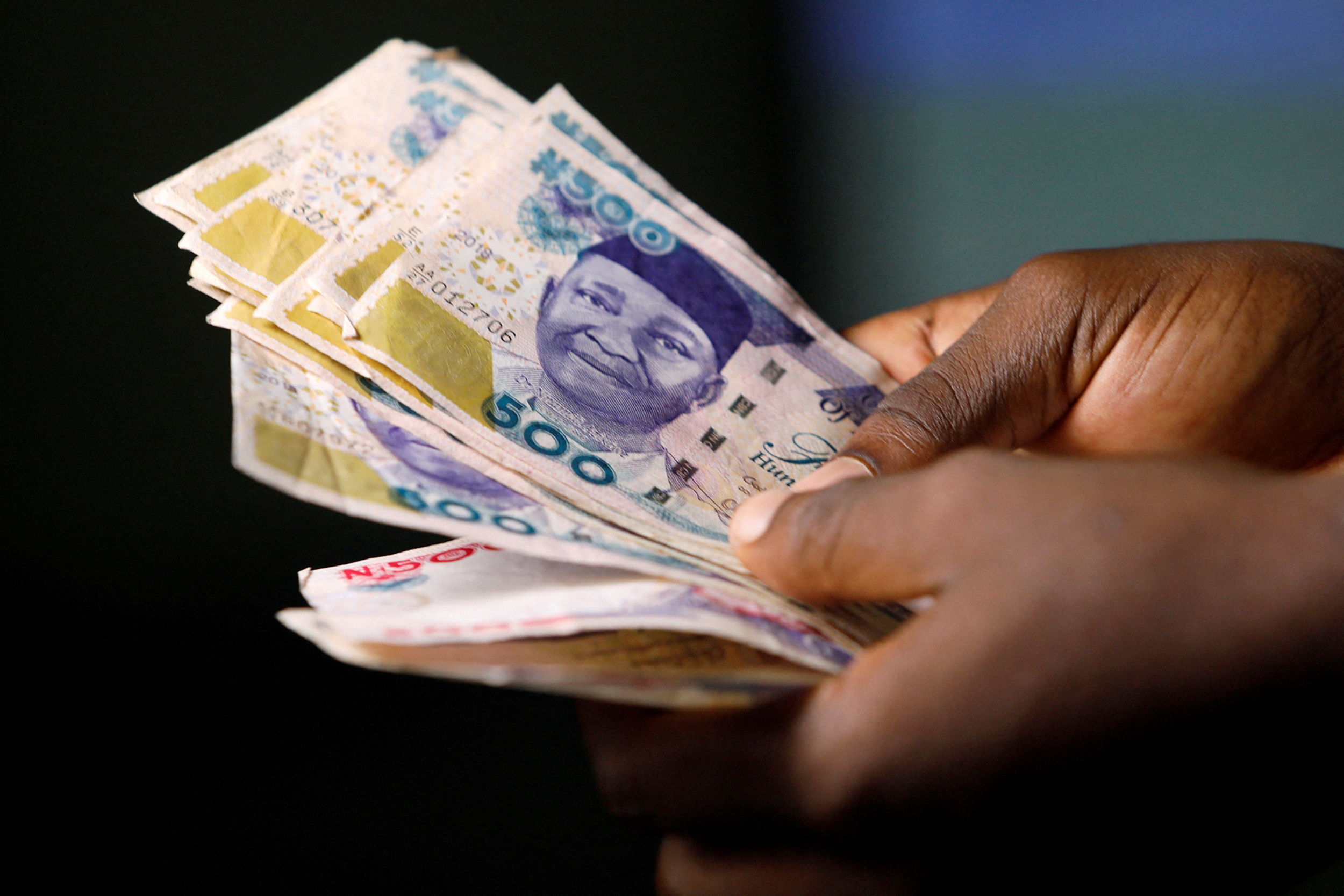
Nigeria’s external reserves have surged to an eight-month high of $40.15 billion, providing a much-needed buffer for the economy and contributing to the relative stability of the naira across both official and parallel foreign exchange markets.
The Central Bank of Nigeria (CBN) confirmed the latest reserves data, indicating a steady build-up that reflects improved foreign exchange inflows and policy reforms aimed at strengthening the country’s balance of payments.
On Friday, the naira closed at N1,533.56 per dollar at the official Nigerian Autonomous Foreign Exchange Market (NAFEM), while the parallel market rate remained steady at around N1,560 per dollar. Despite the dual exchange rate environment, both segments have posted modest year-to-date gains, underscoring a gradual return of investor confidence and improving market sentiment.
Analysts attribute the uptick in reserves to a combination of factors, including higher oil receipts, renewed foreign portfolio inflows, and tighter monetary policy that has helped rein in speculative demand for dollars.
“This level of reserves offers a stronger defense for the naira and allows the central bank more room to intervene when necessary,” said a Lagos-based FX trader. “It’s a sign that the worst of the volatility may be behind us, at least in the short term.”
The improved external buffer is seen as a critical step toward achieving long-term currency stability and restoring macroeconomic balance in Africa’s largest economy.