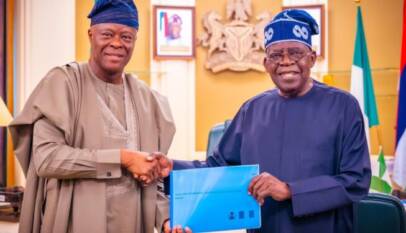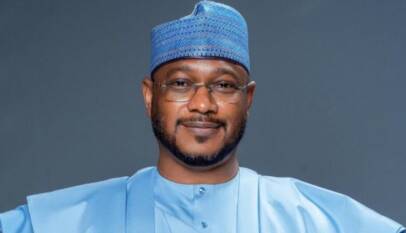


Photo: President Bola Tinubu and Wale Edun, Minister of Finance
BY Douglas Maha, Abuja
Nigeria’s public debt is projected to hit ₦162.03 trillion ($249 billion) following President Bola Ahmed Tinubu’s request for new external borrowings totalling $21.5 billion, €2.19 billion, ¥15 billion, and a €65 million grant as part of the 2025–2026 borrowing plan.
In letters submitted to both chambers of the National Assembly, Tinubu said the funds will finance critical infrastructure, agriculture, education, healthcare, and security projects aimed at reducing poverty, improving food security, and stimulating job creation.
At the current exchange rate of ₦650/$, the proposed loans amount to approximately ₦17.36 trillion, raising concerns over Nigeria’s growing debt burden.
According to the Debt Management Office (DMO), Nigeria’s public debt stood at ₦144.67 trillion ($94.2 billion) by the end of 2024—a 48.6% year-on-year increase from ₦97.34 trillion in 2023. Under Tinubu’s leadership, debt has risen by ₦56.6 trillion since June 2023, when former President Muhammadu Buhari left office.
Of the total debt, external obligations accounted for ₦70.29 trillion ($45.8 billion), driven by new borrowings and currency depreciation. Domestic debt made up the remaining ₦74.38 trillion.
In a separate letter, Tinubu also sought approval to raise to $2 billion through foreign currency-denominated bonds in the local debt market to deepen Nigeria’s financial sector and stabilise the naira.
Additionally, the president requested approval to issue ₦758 billion in bonds to settle outstanding pension liabilities under the Contributory Pension Scheme, citing years of underfunding due to fiscal constraints.