
…$55bn (90%) of the project cost of the bullet train is ready – Consortium
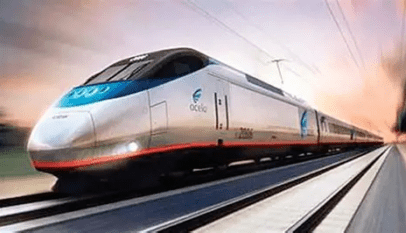
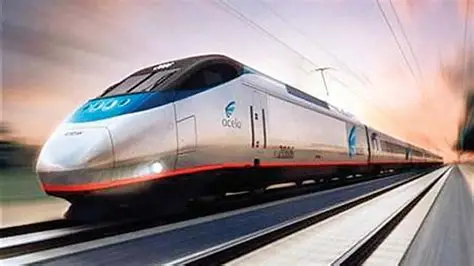
After more than a decade of delays, Nigeria’s ambitious bullet train project is moving from drawing board to construction site.
The consortium handling the project says it has cleared almost all regulatory hurdles and secured billions in financing, setting the stage for work to begin on a $60 billion, 4,000-kilometre high-speed rail network that will link Lagos, Abuja, Kano, and Port Harcourt.
De-Sadal Nigeria Limited, in partnership with China Liancai Petroleum Investment Holdings Limited, believe that the development will see a 4,000-kilometre high-speed rail network linking Lagos, Abuja, Kano, and Port Harcourt.
At a Tuesday briefing in Abuja, De-Sadal CEO Samuel Uko announced that $55 billion for the 1,600-kilometre first phase is ready, with backing from the Asian Development Investment Bank.
“While the full build is expected in 36 months, some routes, like Lagos to Lokoja, could launch partial service much earlier,” he said.
The government is throwing its weight behind the project. Minister of State for Petroleum Resources (Gas), Ekperikpe Ekpo, pledged an uninterrupted gas supply to power the system, calling it “a guarantee that the project won’t be stalled by energy shortages.”
Transport Minister Sa’idu Alkali confirmed that the Infrastructure Concession Regulatory Commission (ICRC) has cleared the outline business case, while the full business case is being finalised for Federal Executive Council review.
ICRC Director-General Oseodion Ewalefoh stressed that financial credibility is non-negotiable. “Our job now is to verify the proof of funds and ensure every claim stands up before the project breaks ground,” he said.
If executed as planned, the bullet train will slash travel times across Nigeria’s busiest economic corridors and could redefine passenger and freight movement between the country’s major cities.