
By Deborah Nnamdi
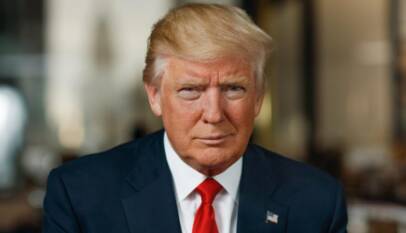
President Donald Trump has expanded a United States travel ban, barring nationals of five additional countries and people travelling on documents issued by the Palestinian Authority from entering the US.
The White House said the new restrictions are aimed at “protecting the security of the United States” and will take effect from January 1.
Under the expanded policy, full entry restrictions will now apply to citizens of Burkina Faso, Mali, Niger, South Sudan and Syria, as well as individuals travelling on Palestinian Authority-issued or endorsed passports. Laos and Sierra Leone, which were previously under partial restrictions, have also been moved to the full ban list.
In addition, partial restrictions have been imposed on 15 other countries, including Nigeria, Tanzania and Zimbabwe.
The administration said the decision followed what it described as persistent failures in screening and vetting systems in the affected countries. US officials cited high visa overstay rates, unreliable civil records, corruption, terrorist activity and poor cooperation in accepting deported nationals.
The announcement came days after the arrest of an Afghan national suspected of shooting two National Guard troops over the Thanksgiving weekend, an incident the White House referenced in underscoring its security concerns.
This marks the third time Trump has imposed a travel ban. During his first term in office, a similar order introduced in 2017 triggered widespread protests and legal challenges in the US and abroad, but was later upheld by the US Supreme Court.
The White House said the restrictions would remain in place until affected countries demonstrate “credible improvements” in identity management, information-sharing and cooperation with US immigration authorities.
Officials stressed that several exemptions apply. The ban does not affect lawful permanent residents, many existing visa holders, diplomats or athletes travelling for major international sporting events. Case-by-case waivers may also be granted where travel is deemed to be in the US national interest.
Countries facing full restrictions now include Afghanistan, Burkina Faso, Burma, Chad, Equatorial Guinea, Eritrea, Haiti, Iran, Laos, Libya, Mali, Niger, Republic of the Congo, Sierra Leone, Somalia, South Sudan, Sudan, Syria and Yemen, as well as individuals travelling on Palestinian Authority-issued documents.
Countries subject to partial restrictions include Angola, Antigua and Barbuda, Benin, Burundi, Côte d’Ivoire, Cuba, Dominica, Gabon, The Gambia, Malawi, Mauritania, Nigeria, Senegal, Tanzania, Togo, Tonga, Venezuela, Zambia and Zimbabwe.
Turkmenistan remains a special case, with restrictions continuing for immigrants but lifted for non-immigrant visa holders.