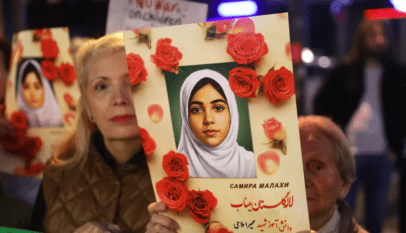

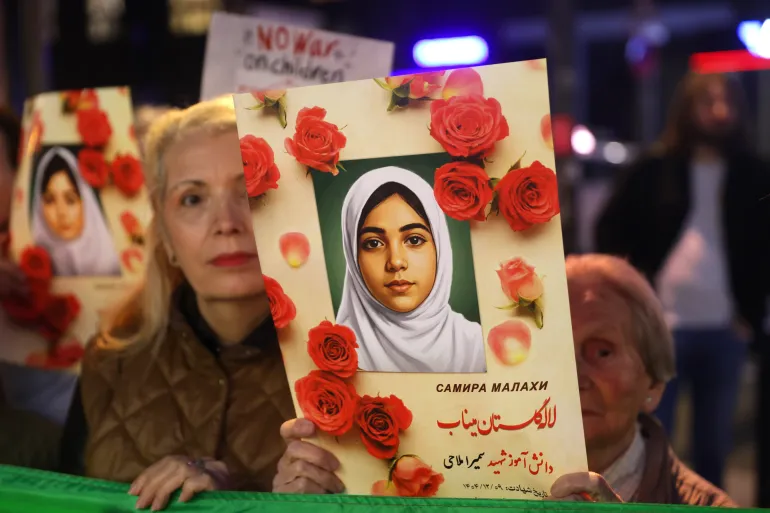
Photo: One of 160 school girls killed alleged by US strike on February 28
The World Health Organization has warned that health systems across parts of the Middle East are under severe strain as casualties continue to rise following the ongoing military offensive involving the United States and Israel against Iran.
In a statement issued on Wednesday, WHO Director-General Tedros Adhanom Ghebreyesus said more than 1,800 people have been killed and about 12,500 injured in less than two weeks of escalating hostilities, raising fears of a wider humanitarian crisis.
The conflict intensified sharply after a large-scale joint strike on Feb. 28 that targeted key Iranian leadership figures, triggering a wave of retaliatory attacks and cross-border violence across the region.
According to figures cited by the WHO chief, Iran has recorded over 1,300 deaths and roughly 9,000 injuries, while Lebanon has reported at least 570 fatalities and about 1,400 wounded. Israel has confirmed 15 deaths and more than 2,100 injuries, he said.
Tedros warned that the fighting has displaced hundreds of thousands of civilians, with more than 100,000 people forced to flee their homes in Iran and up to 700,000 displaced in Lebanon, many of whom are living in overcrowded conditions with limited access to clean water, sanitation and basic medical care.
Health facilities are increasingly being caught in the conflict, the WHO said, noting that it has documented 25 attacks on healthcare infrastructure in Lebanon, 18 in Iran and two in Israel since the start of the latest escalation.
“These attacks not only claim lives but also deprive communities of critical care when they need it most,” Tedros said, urging all parties to comply with international humanitarian law and ensure the protection of civilians and medical personnel.
The United States has said its military actions were aimed at countering missile and nuclear threats, while Iran’s Islamic Revolutionary Guard Corps has launched retaliatory strikes targeting Israeli positions and U.S. military facilities across several Gulf states.
Despite official assertions that the operations were conducted with precision, humanitarian agencies warn that the conflict is having a broad impact on vulnerable populations across the region.
Tedros called for urgent measures to prevent the collapse of already fragile health systems, including unimpeded humanitarian access and immediate efforts to de-escalate the violence.