

Photo: Gov Monday Okpebholo
The Edo State Government’s directive for the arrest and prosecution of students involved in a violent bullying incident at Igbinedion Education Centre has intensified national concern over child rights, school safety and institutional responsibility in Nigeria’s education system.
The disturbing footage, widely circulated on social media, showed one student dragging the victim by his uniform and repeatedly stomping on his chest while another student recorded the incident and pleaded for the attack to stop.
Child welfare groups argue that such scenes reflect not only individual misconduct but also institutional lapses that allow violence to occur within supposedly secure learning spaces.
Authorities moved swiftly after graphic footage of the assault surfaced online, showing two students physically attacking a schoolmate while he cried out in pain. The incident, which triggered widespread public outrage, has renewed scrutiny of how schools enforce discipline and safeguard the dignity and welfare of minors under their care.
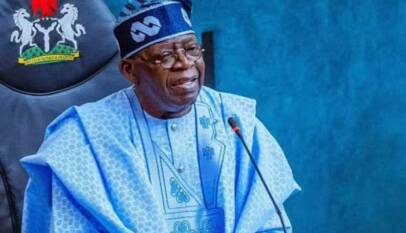
Commissioner for Information, Kassim Afegbua, described the attack as deeply disturbing and emphasised that no form of violence against students can be tolerated in a civil society. He confirmed that the students involved had been expelled and that law enforcement agencies were instructed to ensure their arrest and prosecution.
“It is quite disturbing. There can be no justification for that kind of treatment. It is very unacceptable,” Afegbua said in a television interview, stressing that accountability must extend beyond administrative sanctions to legal consequences where necessary.
Human rights advocates say the incident underscores broader systemic issues affecting child protection in Nigerian schools, including weak supervision structures, inadequate counselling systems and limited enforcement of anti-bullying policies. Experts warn that unchecked school violence can have lasting psychological, emotional and physical consequences for victims, potentially undermining their right to education in a safe and supportive environment.
The Edo State Ministry of Education has set up a five-member investigative committee to identify all students connected to the assault and recommend measures to strengthen monitoring and discipline frameworks. Police authorities have also commenced a comprehensive probe, with parents expected to present the students involved for questioning ahead of possible court proceedings.
Analysts note that the case may serve as a critical test of Nigeria’s commitment to protecting children’s rights as enshrined in domestic laws and international conventions. Beyond punitive measures, they stress the need for preventive strategies — including stronger school safeguarding policies, student behavioural support programmes and parental engagement — to address the root causes of peer violence.
As investigations continue, the Edo government’s response is being closely watched as an indicator of how seriously authorities are prepared to treat bullying not merely as a disciplinary issue, but as a violation of fundamental human rights requiring decisive institutional reform.