

Prices of foodstuffs, transportation, others to go up
Tuesday’s increase in the pump price of PMS across the country by the Nigerian National Petroleum Corporation Limited, NNPCL, could trigger another civil unrest, an investigation by NDN has revealed.
The NNPCL adjusted pump prices by up to 80% across its outlets across the country with petrol prices reaching up to N1,300 in some parts of the country, infuriating labour unions and civil society groups.
The Minister of Petroleum Resources, Mr Heineken Lokpobiri, had denied giving the state-owned petroleum company the nod to increase prices, but many Nigerians are unimpressed by the minister’s explanation.
The Nigerian Labour Congress, NLC, had called for a stakeholders’ meeting while asking the government to reverse the over 50% increase, which has seen the price of petrol rise to over N1,300 per litre in Northern Nigeria.
NLC urged the FG to halt the increase and effect an immediate reversal.
Daily Trust quoted NLC President, Joe Ajaero that President Tinubu tricked the NLC and warned that the latest could further tighten the economic noose around Nigerians.
“The combined effects of government’s ferocious right-wing market policies brought Nigerians and Nigeria to their all-time low and led to the End-Hunger/End Bad Governance protests.”
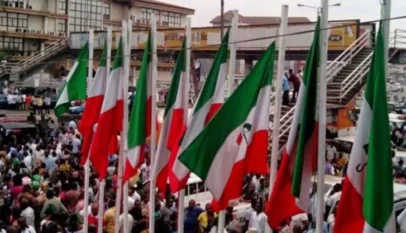
In August, many civil society groups, activists, and youths went on a nationwide 10-day #EndBadGovernance protest across Nigeria to protest the hardship of the economic reforms of President Bola Ahmed Tinubu.
The protest was called over widespread hardship sparked by the removal of petroleum subsidies, floating of the local currency, and other policies of the Tinubu government.
The protest degenerated into violence, looting and many deaths, especially in Kano and other northern states, which the FG blamed on subversive elements whom it claimed tried to use the insurrection to effect a change of government.
Economic experts are apprehensive that another protest and civil unrest would further push down the economy
The latest increase in pump price is expected to further kick up inflation, which has spiralled beyond control since Tinubu took over on May 29, 2023, and pushed millions of households below the poverty line.
Transportation of foodstuffs from the producing belts, goods and services in Nigeria relies mostly on buses and trucks that run on PMS and AGO, which are affected by the increase.
Nigeria, Africa’s largest oil producer, relies on imported petrol and diesel, with the four refineries in Port Harcourt, Warri and Kaduna, laid prostrate by years of financial mismanagement, vested interests and the so-called cabals in the oil and gas industry.
Dangote Refinery, which is trumped as the game changer for local refining to save scarce foreign reserves and bring down the cost of petrol, is yet to kick off supply. The company’s CEO, Aliko Dangote, told newsmen on the day of the latest increase that he was awaiting President Tinubu’s nod.
Some downstream oil industry sources hinted that the ‘nod’ Dangote wants could be an agreement on subsidy for PMS that would be supplied to the Nigerian market, as the company had earlier said it was willing to export its refined products if there are no takers in the country.
Already, the NNPCL had raised the alarm over the yoke of over $6bn debt to importers.