

By Gabriel Efe
We are living through an age where dissent is mistaken for hostility and disagreement is treated as heresy. Across the world, but particularly in Nigeria, we have normalized a culture that punishes contrary opinions and rewards echo chambers. Cancel culture has become the new law of engagement. Opinions that fail to align with the dominant sentiment are not examined but attacked. We no longer engage to understand; we listen only to confirm what we already believe.
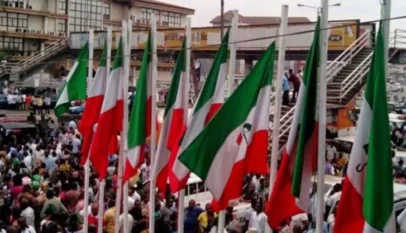
Nowhere is this more visible than in our politics. We have split ourselves into tribes of loyalty, wearing political labels that once signified civic choice but now represent division: Obidients, Agbadorians, Atikulates. These names have become badges of exclusion. They have turned public discourse into verbal warfare and reduced national conversation to exchanges of bitterness. Education and exposure, which should elevate dialogue, have instead deepened our arrogance. Many of the most informed now sit in self-assured certainty, unwilling to concede that another view may hold a fragment of truth.
For a country blessed with intellect and resilience, it is a troubling irony. The recent declaration of Senator Adams Oshiomhole as persona non grata by NUPENG reflects how far this intolerance has spread. The tendency to silence or ostracize those who hold opposing views has become second nature. Even in Edo State, the Iyeki and Iyaloja tussle mirrors the same shrinking tolerance, showing how communal disagreements have become theatres of hostility. Every issue seems to demand sides, and every side must have an enemy.
We have built a society where difference is an affront and dialogue a battlefield. We judge others by how closely they mirror our convictions, forgetting that truth is never owned by one voice. A world, or a nation, where only one thought thrives is one where growth dies quietly.
Nigeria needs a return to curiosity, to that place where questions lead not to conflict but to discovery. We must relearn how to listen; to hear without prejudice and to weigh ideas without fear. The future will not be built on outrage but on understanding. The strength of a democracy lies not in the noise of agreement but in the maturity to coexist with difference.
This renewal will not come by decree or political slogan. It will come through quiet transformations of mind and heart, through our collective willingness to let others exist in their truth without feeling diminished in ours. Wisdom grows in diversity. Peace takes root in acceptance.
Only then will we find a world wide enough for all to breathe.