

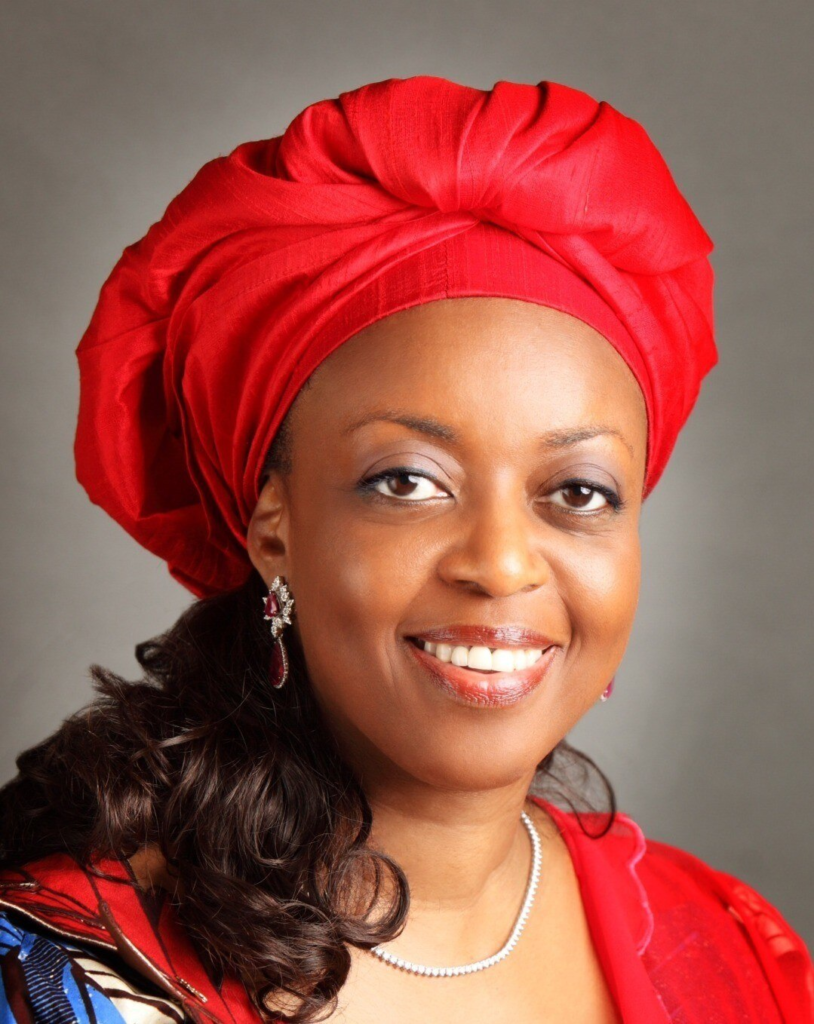
The long-running corruption case involving Nigeria’s former Minister of Petroleum Resources, Diezani Alison-Madueke, is set to enter full trial in London on Monday, bringing to a head years of international investigations into alleged corruption in Nigeria’s oil sector.
Alison-Madueke, 65, is facing six criminal charges — five counts of accepting bribes and one count of conspiracy to commit bribery — over allegations linked to her time in office between 2010 and 2015.
According to prosecutors, the former minister allegedly received “financial or other advantages” from individuals connected to two international energy companies between 2011 and 2015, in exchange for improperly performing her official duties.
The alleged benefits include refurbishment works and staff costs at several luxury properties in London, expensive furniture, chauffeur-driven vehicles, private jet flights to Nigeria, and £100,000 in cash. Court documents also list payment of school fees for her son, luxury goods from high-end retailers such as Harrods and Louis Vuitton, as well as additional private jet travel.
Prosecutors contend that accepting the alleged inducements amounted to “improper performance” of her duties as Nigeria’s oil minister.
Alison-Madueke appeared in a London court last week for preliminary proceedings, including technical matters and jury selection. The trial is expected to last between 10 and 12 weeks.
What we know: Alison-Madueke served as Nigeria’s oil minister and chair of the Nigerian National Petroleum Corporation (NNPC) during a period of high oil prices and massive revenues, but also widespread allegations of opaque deals and weak financial oversight.
Beyond the UK case, the former minister has faced scrutiny from Nigerian and international authorities. In 2015, the United States Department of Justice launched civil forfeiture actions alleging that billions of dollars were siphoned from Nigeria’s oil sector and laundered through luxury properties and assets in the United States. Several high-value properties and jewellery linked to her were seized.
In Nigeria, the Economic and Financial Crimes Commission (EFCC) has accused her of corruption, abuse of office and money laundering, leading to court-ordered forfeiture of properties, vehicles and cash believed to be proceeds of crime.
One of the most controversial episodes associated with her tenure was the $20 billion unremitted oil revenue allegation raised in 2014 by then Central Bank Governor Lamido Sanusi, which triggered national and international scrutiny of NNPC’s finances, although later reconciliations disputed the exact figure.
Since leaving office in 2015, Alison-Madueke has remained in the United Kingdom, citing health reasons, and has consistently denied wrongdoing, insisting that the allegations against her are politically motivated.
Why the Trial Matters
The London proceedings mark the first time Alison-Madueke is standing full criminal trial rather than facing asset forfeiture or preliminary hearings. The case is being closely watched as a test of international cooperation in prosecuting cross-border corruption involving politically exposed persons.
For Nigeria, the trial has reopened debates about accountability in the oil sector and the long-term impact of governance failures in one of the country’s most critical industries.
