

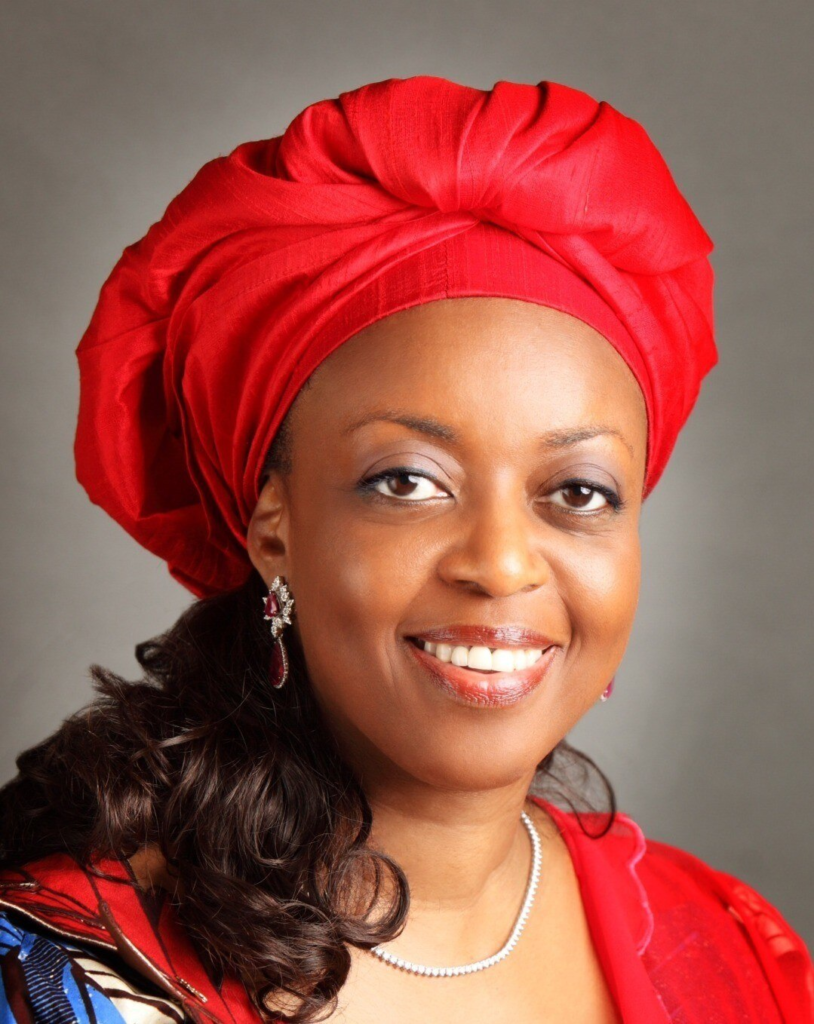
Photo: Deziani Alison-Madueke poster girl of alleged female corruption
…List of some powerful women link to corruption
Nigeria’s fight against corruption is marked by dramatic arrests, high-profile trials and intense political theatre, yet convictions remain rare. While public attention often centres on male politicians, an emerging pattern reveals a growing list of powerful Nigerian women entangled in corruption allegations, from money laundering to procurement fraud, diversion of public funds and abuse of office. Their stories expose the intricate power webs, weak oversight systems and political protections that shape Nigeria’s corruption landscape.
Diezani Alison-Madueke remains the most globally recognised symbol of alleged grand corruption among Nigerian women in public office. Once a dominant force in the international oil sector, her name is tied to sprawling investigations in Nigeria, the UK and the US involving billions allegedly diverted through shell companies, businessmen and luxury purchases. Dozens of assets have already been forfeited in Nigeria, from high-end apartments to jewellery collections. UK prosecutors charged her with bribery in 2023, and extradition talks with Nigeria continue — a sign that her eventual trial could become one of the biggest corruption cases in the nation’s history.
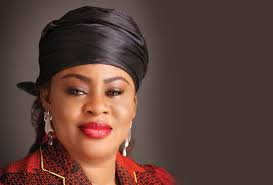
Stella Oduah: Former Aviation Minister Stella Oduah’s long-running corruption saga resurfaced recently when the Federal Government arraigned her and ex-aide Gloria Odita for an alleged N5 billion advance-fee fraud. Both pleaded not guilty but were ordered to submit their travel documents ahead of trial. The case adds to a series of stalled or delayed investigations surrounding her tenure, fuelling public concerns about the slow pace of accountability for politically exposed persons.
Maimuna Aliyu: At the subnational level, women such as Maimuna Aliyu — a former Aso Savings and Loans executive once shortlisted for the ICPC board — illustrate how individuals under investigation sometimes ascend to positions meant to guard public integrity. Her fraud charges, tied to the alleged diversion and sale of bank property, raised questions about the vetting systems in Nigeria’s governance architecture.
Dame Patience Jonathan: Her long-standing dispute with the EFCC also remains emblematic of Nigeria’s corruption controversies. Billions found in accounts linked to her and her associates have been the subject of freezing orders; asset forfeiture attempts and prolonged litigation. She maintains the funds were legitimate gifts, but the opacity surrounding political wealth keeps her case in the public eye.
Hadiza Bala Usman: A former Managing Director of the Nigerian Ports Authority faced intense scrutiny over alleged improper remittances. Though a federal panel later cleared her, the episode highlighted how allegations — whether proven or politically motivated — often intersect with internal power struggles in major government institutions.
Patricia Etteh: Nigeria’s first female Speaker of the House of Representatives, remains one of the earliest and most emblematic corruption flashpoints involving a woman in high office. Her 2007 tenure unravelled after allegations surfaced that she authorised a controversial ₦628 million contract for the renovation of her official residence and that of her deputy, alongside the purchase of luxury items. Though she consistently denied wrongdoing and a later House committee reportedly cleared her, the political uproar, resignations, walkouts and public outrage that followed forced her from office just five months into her historic speakership.
AISHA ACHIMUGU: At the national scale, the name of businesswoman Aisha Achimugu continues to surface in the ongoing corruption trial of former Accountant-General Ahmed Idris, accused of siphoning N109 billion. She is also linked to Lagos State Governor Babajide Sanwo-Olu. Investigators allege that companies linked to Achimugu received large transfers disguised as consultancy payments, though they contend no meaningful services were delivered. Her case highlights how private-sector players often serve as conduits in public-sector corruption schemes.
Justice Rita Ofili-Ajumogobia: The former Federal High Court Judge’s dramatic fall remains one of the judiciary’s most damaging scandals. The EFCC accused her of receiving large sums from lawyers and individuals with matters before her court, funnelling the funds through proxy companies to finance property purchases and travel. Despite lengthy legal challenges and procedural delays, her case continues to raise troubling questions about judicial integrity.
Philomina Chieshe: Money-swallowing Snake of JAMB: The JAMB clerk whose claim that a “snake” swallowed N36 million became a national sensation, represents corruption at the most basic administrative level. Investigations later linked the missing funds to diverted cash remittances from scratch-card sales, exposing deep weaknesses in revenue handling systems and internal controls across government agencies.
Taken together, these cases dismantle the myth that corruption in Nigeria is a male-dominated enterprise. They reveal a systemic problem woven into political patronage, weak institutional checks, opaque financial practices and a justice system that struggles to bring high-profile cases to conclusion. The issue is neither gendered nor exceptional — it is structural, entrenched and symptomatic of a governance system still fighting for transparency and accountability.
