
By Gabriel Efe
There was a time when life in our town was simple. Not easy, perhaps, but simple. The kind of simplicity that did not need to announce itself because it was woven quietly into everyday living.
The town was big. Very big. Big enough that walking from one end to the other felt like a journey, yet small enough that it never felt lonely. You could set out in the morning to greet a friend on the far side of town, knowing fully well that along the way you would be stopped, questioned, greeted, and sometimes delayed by people who knew you, your parents, and often your grandparents.
“How is your father?”
“Tell your mother I asked after her.”
“You people did not come around yesterday, is everything alright?”
Concern was communal. Care was not outsourced.
The roads were untarred then. Dust rose easily and clung stubbornly to our feet and clothes, yet we loved those streets. They carried laughter, barefoot races, and the echo of children’s voices long after the sun had begun to set. Those roads did not sparkle, but they held stories.
Football was life. Not the manicured kind, not the televised kind, but the raw, improvised joy of it. Monkey-goalposts made from slippers, stones, or torn exercise books. Later, we graduated to five-aside pitches squeezed between compounds, narrow and uneven, but fiercely contested. Jerseys did not matter. Talent did. Passion did. Neighbourhood pride did.
Every evening felt alive. You could hear the town breathe.
The biggest news was never about wealth. It was about progress. Who had just written their exams. Who passed in flying colours. Whose child had secured admission to study medicine, law, engineering, or any course that sounded like promise. Education was the great equaliser, the shared aspiration, the ladder everyone believed could carry them forward.
The families we called “rich” were not extravagant. At most, they were modestly middle class. Their wealth was not loud. It showed in books on shelves, in children who spoke with confidence, in homes where discipline and encouragement lived side by side. Success was admired, not resented, because it felt attainable. It felt earned.
Our town had sound. It had bites. It had a soul.
Then time passed, as it always does.
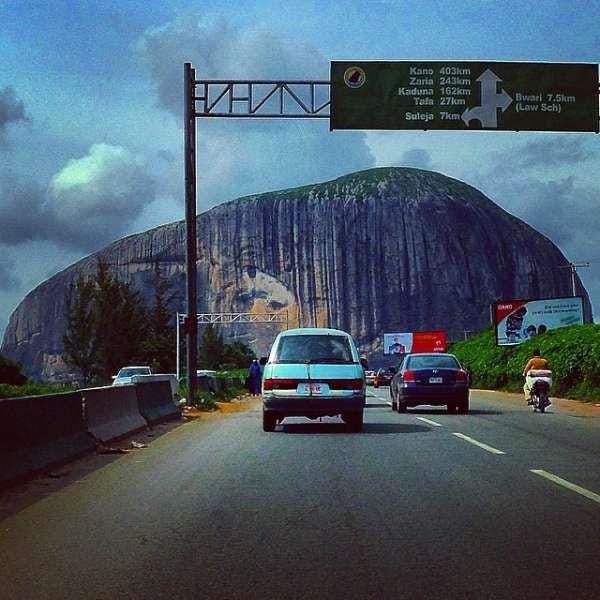
Years later, we returned during the festivities. The transformation was undeniable. The streets were paved now, smooth and wide. Houses stood taller, better painted, more imposing. Gates gleamed. Vehicles filled spaces that once held children at play. On the surface, this was progress. By every visible metric, the town had improved.
Yet, something was missing.
The greetings were fewer. The pauses along the road disappeared. People passed without looking, without asking, without recognising. Children no longer roamed freely. The air felt heavier, not with dust, but with distance. Conversations were guarded. Trust was thinner.
Education, once sacred, was now spoken of with cynicism. “School na scam,” someone said casually, without irony. Success stories were no longer rooted in learning or patience, but in shortcuts, speculation, and sudden wealth. The admiration once reserved for discipline had shifted to audacity. Nothing was too sacred to be compromised. Everything seemed negotiable.
The town had grown, but it had hardened.
The irony was painful. We had improved our infrastructure but neglected our values. We had built houses but dismantled homes. We had paved roads yet lost our direction. In gaining convenience, we misplaced conscience. In chasing growth, we abandoned grounding.
This is not a story about nostalgia resisting progress. Progress is necessary. Growth is inevitable. But development without soul is decay in disguise. When a community forgets what held it together, what shaped its aspirations, what defined its dignity, it risks becoming a place that looks successful but feels hollow.
Our villages and towns are changing. That is not the tragedy. The tragedy is that in many places, growth has arrived without guidance, wealth without wisdom, freedom without responsibility.
And so the question remains, quietly but urgently:
At what point did we stop recognising ourselves?
Perhaps the work of this generation is not merely to build bigger towns, but to recover their souls.