
By Oghenekevwe Kofi
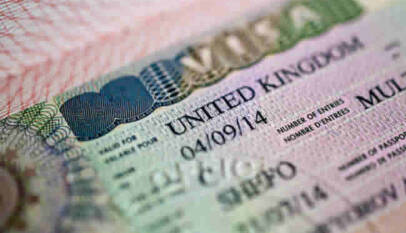
The United States is set to suspend visa processing for citizens of 75 countries, including Nigeria, in a move that further tightens an already restrictive travel environment for Nigerians. The freeze, expected to take effect from January 21, 2026, is described as indefinite and comes amid a series of U.S. immigration measures that have steadily narrowed access for Nigerian travellers.
Reports from international media say the U.S. State Department has issued an internal directive instructing consular offices to halt visa processing for affected countries while a comprehensive review of screening and vetting procedures is conducted. Although Washington has yet to issue a formal public announcement, multiple sources confirm that embassies are preparing to implement the directive.
For Nigeria, the development compounds existing restrictions. The country is already listed among nations whose citizens may be required to pay a visa bond ranging from $5,000 to $15,000 starting January 21, 2026. The bond, which would be refunded only if visa holders comply fully with U.S. immigration rules, has been widely criticised as punitive and exclusionary.
Nigeria is also already on the United States’ partial visa restriction list, a classification that limits access to certain visa categories and subjects applicants to enhanced scrutiny. In addition, Nigerian non-immigrant visas were recently downgraded from a validity period of five years to just three months, a change that has significantly increased the cost and inconvenience of travel for frequent visitors.
The latest visa freeze, if fully enforced, would affect all major visa categories, including tourist, student, work and immigrant visas. Immigration analysts warn that even applicants with scheduled interviews, paid visa fees or pending applications may be caught in the suspension once it takes effect.
The implications for Nigerians are far-reaching. Thousands of students preparing for admissions, professionals with confirmed job offers, families planning reunions and patients seeking medical treatment abroad could see their plans abruptly disrupted. Travel consultants in Lagos and Abuja say uncertainty is already leading to cancellations and delays as applicants struggle to understand how the new policy will be applied.
Beyond Nigeria, countries reportedly affected include Brazil, Egypt, Kuwait, Thailand, Somalia, Afghanistan, Iran, Iraq, Yemen and Russia, among others. The broad scope of the list suggests the measure is part of a wider immigration reset rather than a response to any single country.
U.S. officials familiar with the matter say the review focuses on identity verification, background checks and public charge assessments. Critics, however, argue that the cumulative effect of the visa freeze, bond requirement, partial ban status and shortened visa validity amounts to a de facto travel barrier for Nigerians.
The timing of the decision has also raised diplomatic concerns. Observers note that Nigeria remains one of Africa’s largest sources of students and professionals to the United States, and the tightening of entry rules could strain long-standing people-to-people ties.
For now, Nigerians are advised to monitor updates from the U.S. Embassy in Abuja, the Consulate in Lagos and official State Department channels. While embassies may continue operating under existing procedures until further notice, insiders say strict enforcement is expected once the January 21 deadline arrives.
As this remains a developing story, further clarity is expected in the coming days. What is already evident, however, is that U.S. visa access for Nigerians has entered one of its most restrictive phases in recent years.