
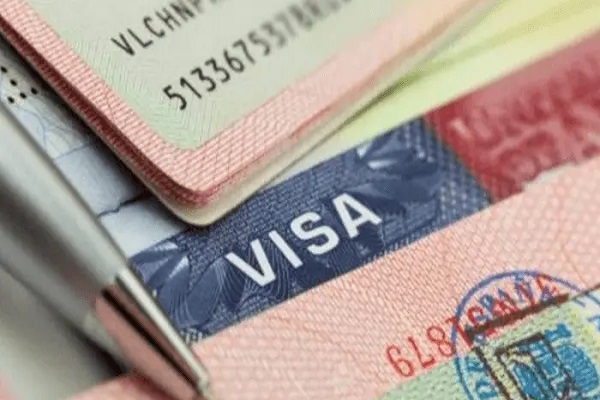
The United States has introduced new immigration guidelines that could make it harder for foreigners with chronic health conditions such as diabetes, heart disease or cancer to obtain visas or green cards.
The directive, issued under President Donald Trump’s administration, expands the definition of a “public charge” — a term used in U.S. immigration law for people deemed likely to rely on government assistance, according to a State Department cable sent to embassies and consulates worldwide.
Visa officers have been instructed to flag applicants whose medical conditions could generate “hundreds of thousands of dollars’ worth of care,” the cable said. The list of illnesses includes cardiovascular and respiratory diseases, cancers, metabolic and neurological disorders, and some mental health conditions. Obesity is also identified as a potential concern due to its links to costly complications such as hypertension, asthma and sleep apnea.
Under the new rules, consular officials must consider whether an applicant’s health could pose a financial burden on the state.
Previously, medical screenings for visa applicants mainly targeted communicable diseases such as tuberculosis. The latest policy marks a significant shift by placing long-term illnesses at the center of immigration eligibility assessments.
The U.S.-based Murthy Law Firm said the change represents an unprecedented link between health status and admissibility, effectively tying an applicant’s medical history to their perceived economic impact.
It was not immediately clear whether the new standards would apply to non-immigrant visa categories such as visitor (B1/B2) or student (F1) visas.
(