
By Didimoko A. Didimoko, with agency reports
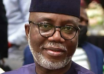
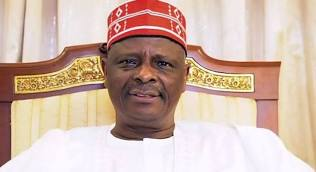
Fresh moves in Washington toward possible visa bans and asset freezes have put former Kano State governor Rabiu Kwankwaso and some Nigerian groups under renewed international scrutiny over alleged religious-freedom and security concerns.
Some United States lawmakers have recommended that Kwankwaso, the Miyetti Allah Cattle Breeders Association of Nigeria and Miyetti Allah Kautal Hore be subjected to visa restrictions and asset freezes. The recommendation is tied to allegations of religious persecution and violence against Christian communities in parts of Nigeria.
The push comes as the US Treasury Office of Foreign Assets Control (OFAC) released a new sanctions update placing asset freezes on eight Nigerians accused of links to terrorist groups, including Boko Haram and Islamic State of Iraq and the Levant (ISIL), as well as cybercrime networks. Those listed are placed on the Specially Designated Nationals and Blocked Persons register.
Under OFAC sanctions, all assets and financial interests held within US jurisdiction are blocked, and US citizens and companies are barred from carrying out transactions with listed persons. Banks and global firms often comply broadly with such restrictions to avoid penalties, making the impact extend beyond the US.
Although the congressional recommendation targeting Kwankwaso and the two associations is separate from the terrorism designations, it increases pressure for formal executive action.
If approved, a US visa ban would bar affected persons from entering America, while an asset freeze would lock any funds or properties linked to them within US reach. It could also trigger wider financial restrictions through international banking compliance rules.
Diplomatically, the step could deepen tensions between Nigeria and the US over religious-freedom and security issues. Politically, any sanction against a major figure like Kwankwaso would carry strong domestic repercussions and likely spark legal and political challenges.