
By Deborah Nnamdi
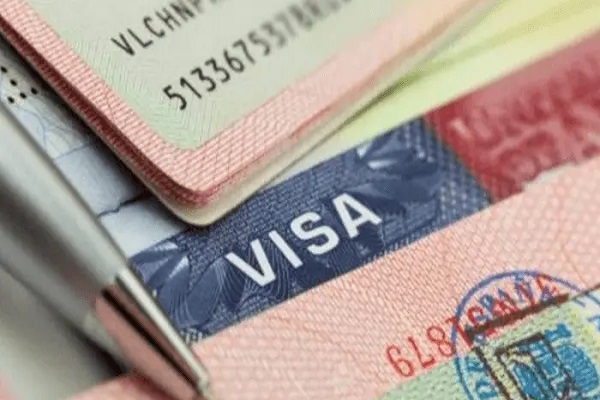
The United States has rolled out a major change to its visa application process, now assessing applicants’ health and financial capacity to ensure they can cover medical expenses without relying on state-funded healthcare.
Under the Trump administration’s new directive, embassies and consulates will place greater emphasis on applicants’ medical history and ability to pay for treatment, including long-term care. Officers will review chronic illnesses such as diabetes, obesity, cardiovascular and respiratory diseases, cancer, or mental health conditions to determine potential reliance on public healthcare. Dependents, including children and elderly family members, will also be evaluated to gauge any impact on a sponsor’s income or employment stability.
The policy introduces stricter rules for international students, exchange visitors, and media representatives, limiting their stay in the U.S. to the duration of their programs—up to four years—unless they secure an extension through U.S. Citizenship and Immigration Services (USCIS).
The new visa requirements come amid contrasting global trends. While the U.S. tightens entry rules, China has simplified its visa procedures, extended visa-free travel until December 2026, and introduced a Digital Arrival Card to facilitate pre-arrival submissions, signaling a push to boost tourism and business travel.
Last month, USCIS also announced a $1,000 Immigration Parole Fee for individuals granted parole into the U.S., effective October 16, 2025. Applicants must pay the fee after approval, with exceptions to be outlined in an upcoming Federal Register notice.
Officials say the measures are aimed at ensuring that those entering the country can financially support themselves and their families without burdening public resources.