
6-3 ruling says President lacked authority to impose sweeping import duties
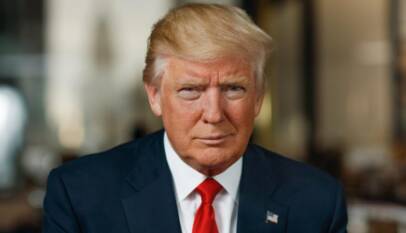
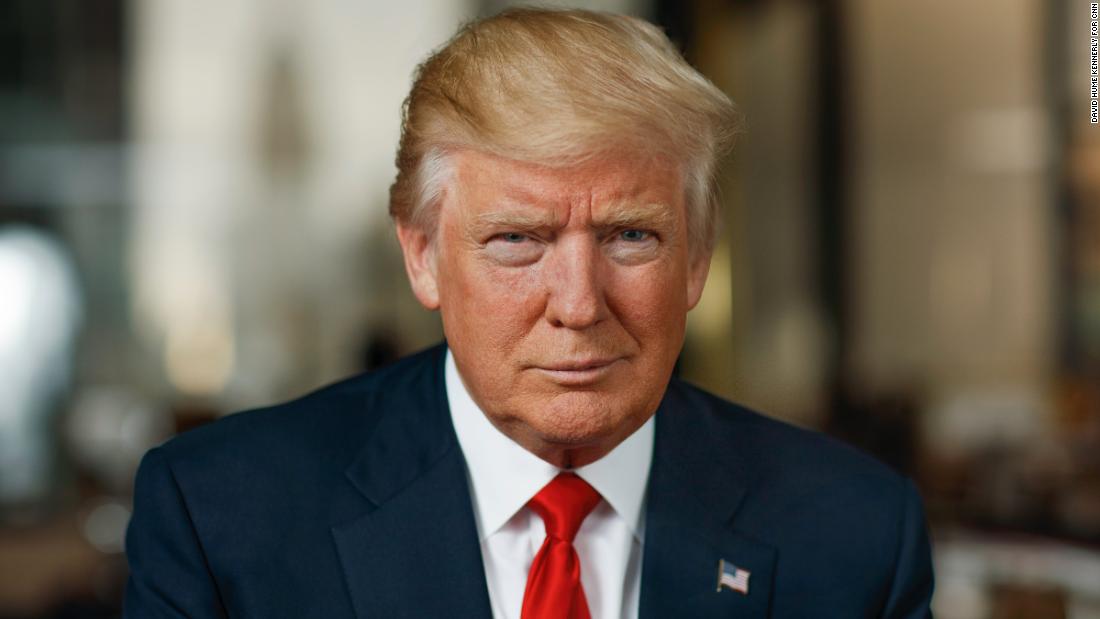
The Supreme Court of the United States on Friday struck down a significant portion of President Donald Trump’s sweeping tariff agenda, delivering a sharp rebuke to what had become a cornerstone of his economic policy.
In a 6-3 decision, the court ruled that the federal law underpinning the import duties “does not authorize the President to impose tariffs.” The majority concluded that Mr. Trump’s interpretation of the statute would amount to a dramatic expansion of executive authority over trade policy, a power the Constitution assigns primarily to Congress.
Chief Justice John Roberts authored the majority opinion. Justices Clarence Thomas, Samuel Alito, and Brett Kavanaugh dissented.
“This would represent a transformative expansion of the President’s authority over tariff policy,” the majority wrote, emphasizing that Congress — not the executive branch — holds the constitutional power to tax.
Court Rejects Use of Emergency Powers Law
At the heart of the case was Mr. Trump’s reliance on the International Emergency Economic Powers Act (IEEPA), a statute that grants presidents authority to regulate certain economic transactions during national emergencies.
While the law allows a president to “regulate … importation” after declaring an emergency to address unusual and extraordinary threats, it does not explicitly mention tariffs. The Trump administration argued that the statute’s language permitted the imposition of wide-ranging import duties, including so-called “reciprocal” tariffs and levies tied to alleged fentanyl trafficking into the United States.
The Supreme Court disagreed, noting that no previous president had used the law to impose tariffs “of this magnitude and scope.” To justify such “extraordinary” powers, the court said, the president must point to clear congressional authorization — “He cannot.”
Lower federal trade and appeals courts had previously ruled the IEEPA-based tariffs illegal before the case reached the high court.
Uncertainty Over Potential Refunds
The ruling did not address whether previously collected tariffs must be refunded. Estimates suggest the federal government could owe as much as $175 billion if repayments are required.
In his dissent, Justice Kavanaugh warned that the refund process “is likely to be a ‘mess,’” and predicted the short-term economic effects of the decision “could be substantial.”
IEEPA-related tariffs accounted for a significant share of U.S. tariff revenue last year, with the administration reporting roughly $129 billion collected from those specific duties.
Lawmakers and Businesses Applaud Decision
Reaction to the ruling was swift, with critics of the policy hailing the decision as a victory for consumers and businesses.
Representative Brendan Boyle called the ruling “a victory for every American family paying higher prices because of Trump’s tariff taxes.”
Representative Richard Neal, ranking member of the House Ways and Means Committee, described the decision as “a victory for the American people, the rule of law, and our standing in the global economy.”
Industry groups also welcomed the outcome. The Footwear Distributors and Retailers of America said the decision would help create a more predictable environment for businesses and consumers. The Distilled Spirits Council of the United States urged the administration to pursue zero-for-zero tariff agreements with key trade partners to ease financial pressures on exporters and retailers.
Canada’s Minister for Trade with the U.S., Dominic LeBlanc, said the decision reinforced Ottawa’s longstanding position that the IEEPA tariffs were unjustified.
A Central Pillar of Trump’s Economic Agenda
Since returning to the office, Mr. Trump has aggressively reshaped U.S. trade relationships, imposing broad tariffs on imports from nearly every country. He promoted the duties as a major source of federal revenue and a powerful negotiating tool, even suggesting tariff income could replace federal income taxes and fund $2,000 “dividend” checks to Americans.
The administration had reported collecting hundreds of billions of dollars in tariff revenue, though independent estimates were significantly lower.
Ahead of the ruling, Mr. Trump warned that striking down the tariffs would undermine national security and economic leverage. Treasury Secretary Scott Bessent had expressed confidence that the court would uphold what he described as the president’s “signature” economic policy.
Friday’s decision, however, marks a decisive legal setback for the White House and reasserts Congress’s primacy over U.S. trade and taxation policy.