
The United States Diplomatic Mission in Nigeria has announced the rescheduling of visa and American Citizen Services (ACS) appointments in Abuja over concerns about possible protests in the city.
The announcement was made in a statement posted on the mission’s official X account on Thursday.
The decision follows the earlier cancellation of all visa appointments scheduled for Wednesday, March 4, at the United States Embassy in Abuja. The closure has now been extended as authorities monitor the security situation in the Federal Capital Territory.
According to the mission, routine operations at the embassy will remain suspended until Monday, March 9, 2026.
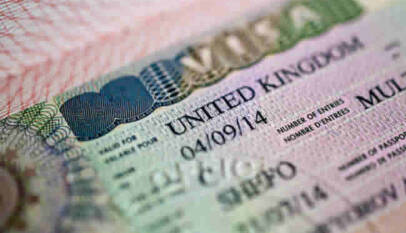
“Due to the potential for protests in Abuja, the U.S. Embassy will be closed for routine business until Monday, March 9, 2026. Visa appointments originally scheduled for March 4 and 5, as well as American Citizen Services appointments scheduled for March 5, have been rescheduled to next week,” the statement said.
The embassy advised affected applicants to check their email or AVITs account for updated appointment dates, while those unable to find new dates should contact the mission through its Visa Navigator platform for assistance.
Applicants were also urged to continue monitoring the mission’s official website and social media channels for further updates.
The embassy’s decision comes amid protests in parts of Nigeria following the escalation of the Middle East conflict. Members of the Islamic Movement of Nigeria staged demonstrations against the joint military operation by the United States and Israel in Iran that reportedly led to the killing of Iran’s Supreme Leader, Ali Khamenei.
Demonstrations have been reported in several states, including Lagos, Kano, Sokoto, Gombe, Kaduna, and Yobe, where protesters marched with placards condemning foreign military actions. Security forces were deployed along protest routes, although no casualties have been reported.
Meanwhile, the League of Chief Imams has urged Nigerians to avoid protests that could disrupt public peace. The warning was issued during the 2026 Ramadan Tafsir/Iftar programme held at Lagos House.
Speaking on behalf of the group, the National Missioner and Chief Imam of the Ansar-Ud-Deen Society of Nigeria, Abdulrahman Ahmad, called for restraint, stressing that global conflicts should not trigger unrest within the country.
He cautioned that crises abroad could spark internal instability if not carefully managed, urging citizens to prioritise prayer, reflection, and peace rather than demonstrations.
The Middle East crisis escalated on February 28, 2026, when the United States and Israel launched strikes on Iranian cities, triggering explosions, airspace disruptions, and military alerts across several countries, including Iraq, Kuwait, Bahrain, Qatar, the United Arab Emirates, Saudi Arabia, Oman, and Jordan.
The conflict has also rattled global markets, with oil and gas shipping costs rising sharply in the region as tensions continue to disrupt maritime routes.
The International Monetary Fund has warned that the conflict’s impact on the global economy will largely depend on its duration and intensity, noting that financial market volatility is likely to persist.