
….APC National Chair slams critics
By Sodeeq Kamsela, Abuja
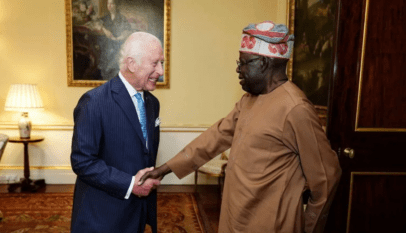
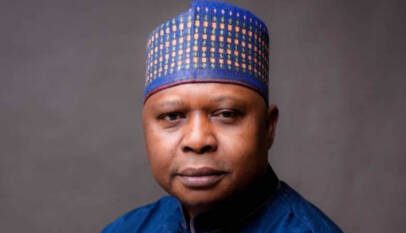
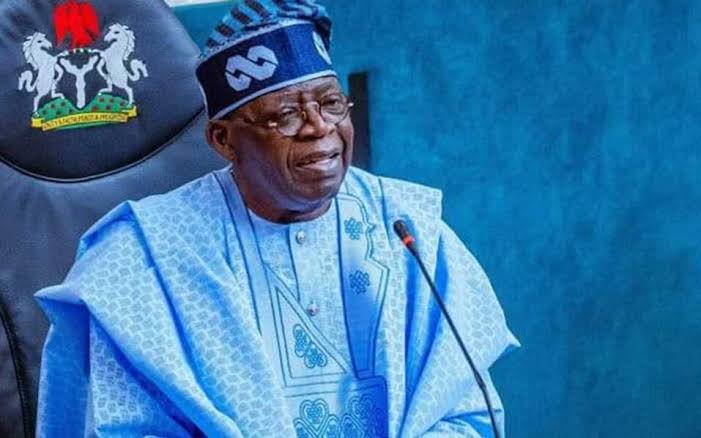
The National Chairman of the All Progressives Congress (APC), Prof. Nentawe Yilwatda, says President Bola Tinubu’s foreign engagements are not routine diplomatic outings but part of a deliberate economic strategy to attract capital, investors and long-term partnerships to Nigeria.
Speaking in Abuja, Yilwatda said the administration’s external outreach has already produced over $50 billion in foreign direct investment (FDI) commitments, cutting across energy, infrastructure, technology, manufacturing and agriculture.
According to him, the president’s overseas missions are tied directly to Nigeria’s economic reform agenda — including fuel subsidy removal, exchange rate unification and investment climate restructuring — all designed to make the country more attractive to global investors.
He said recent high-level meetings with government and business leaders in the United States, Europe, the Middle East and Asia were structured around investment forums, bilateral trade talks and sector-specific negotiations rather than ceremonial diplomacy.
“These engagements are targeted. They are built around investment roundtables, policy discussions and project financing talks. The goal is to channel global capital into productive sectors of the Nigerian economy,” he said in a statement issued through his media adviser, Abimbola Tooki.
Yilwatda pointed to Nigeria’s expanding economic cooperation with the United Arab Emirates, including a comprehensive partnership framework covering trade, energy and infrastructure, as one example of deals emerging from the president’s diplomatic push. He added that similar discussions have involved investors and institutions from China, India, Germany and Saudi Arabia.
He also addressed criticism from opposition voices and civil society groups who argue that the frequency of presidential travel is excessive and costly. The APC chairman said such criticism ignores how modern investment diplomacy works, noting that major cross-border investments are often secured through direct leader-to-leader engagement and follow-up negotiations.
Economic diplomacy — where political leadership is used to unlock trade, finance and project partnerships — has become a central tool for emerging economies competing for limited global capital flows, he said, adding that Nigeria cannot afford to be absent from those platforms.
He maintained that investment commitments generated through these trips are expected to translate into project financing, job creation, technology transfer and export growth if properly implemented at home.
The ruling party, he added, will continue to support policies and partnerships aimed at converting international agreements into domestic economic gains, stressing that results will depend on sustained reforms and execution — not diplomacy alone.