

Photo: Trump says, ‘I ordered “deadly strike”’
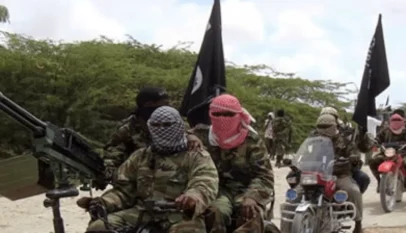
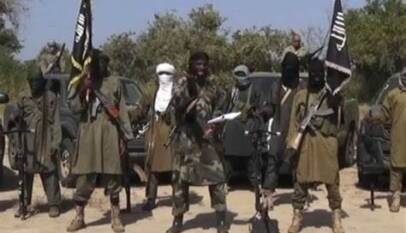
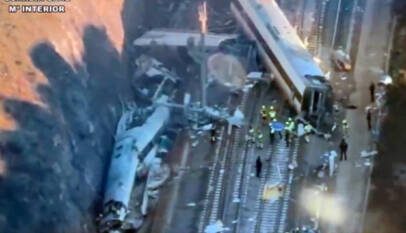
The Nigerian government has confirmed that U.S. forces carried out airstrikes on terrorist targets in the country’s Northwest, acknowledging for the first time a joint counter-terrorism operation with Washington aimed at crippling cells linked to the Islamic State in Iraq and Syria (ISIS).
In a statement issued by the Ministry of Foreign Affairs and signed by spokesperson Kimiebi Imomotimi Ebienfa, the government said the precision strikes were conducted in line with existing bilateral security arrangements, intelligence sharing and strategic coordination to combat terrorism and violent extremism.
The ministry stressed that the activities were consistent with international law and Nigeria’s sovereignty, adding that protecting civilians and preserving national unity remained central to its counter-terrorism doctrine.
The confirmation followed a post by U.S. President Donald Trump on his Truth Social account, where he claimed he had personally ordered a “powerful and deadly strike” on ISIS fighters in Sokoto State, accusing the group of targeting Christians in Nigeria.
Trump said the United States would continue to act against what he called “ISIS terrorist scum” and warned of more action if attacks on Christians persisted.
His statement came hours after the U.S. Africa Command said the operation, reportedly conducted at Nigeria’s request, killed multiple militants, though independent verification remains outstanding.
The Nigerian government, while not disclosing casualty figures, reiterated that terrorist violence against any community, which targeted Christian, Muslim or otherwise, was an affront to the nation’s values. It said the country was working closely with its partners to disrupt extremist networks, cut supply lines, block financing channels and strengthen intelligence institutions to prevent cross-border threats.
The strikes mark one of the most significant instances of overt U.S.–Nigeria counter-terrorism collaboration in recent years. Washington has maintained a long-standing security relationship with Abuja, including training, equipment supply and intelligence support, particularly in the fight against Boko Haram and ISIS-West Africa Province (ISWAP). But direct U.S. kinetic engagements on Nigerian soil have historically been rare and politically sensitive, making the latest operation a notable departure.
U.S.–Nigeria security cooperation has expanded since Nigeria’s redesignation in 2025 as a “Country of Particular Concern” by Washington over religious freedom issues, an action that intensified diplomatic tensions and influenced subsequent American policy decisions, including new travel restrictions and visa limitations.
Trump, who has increasingly framed Nigeria’s security crisis around religious persecution narratives, had in November warned that the United States would intervene militarily if killings of Christians continued.
Nigerian authorities, however, have consistently rejected sectarian framing of the conflict, insisting that terrorism in the country targets diverse communities and is driven by broader security, economic and ideological factors.
In its statement, the Foreign Affairs Ministry emphasised that the government “continues to work closely with partners through established diplomatic and security channels” while keeping the public informed through official means.
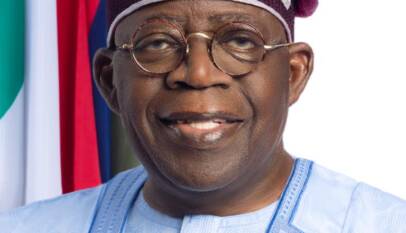
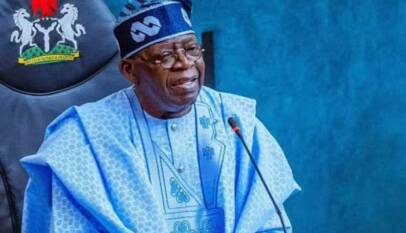
A spokesman for President Bola Tinubu, Daniel Bwala, told CNN that both countries remained aligned in the fight against terrorism, calling the joint operation evidence of shared commitment.
The government reaffirmed its resolve to intensify domestic efforts alongside international support, stressing that renewed collaboration would focus on strengthening Nigeria’s internal capabilities rather than outsourcing its national security responsibilities.