
By Deborah Nnamdi
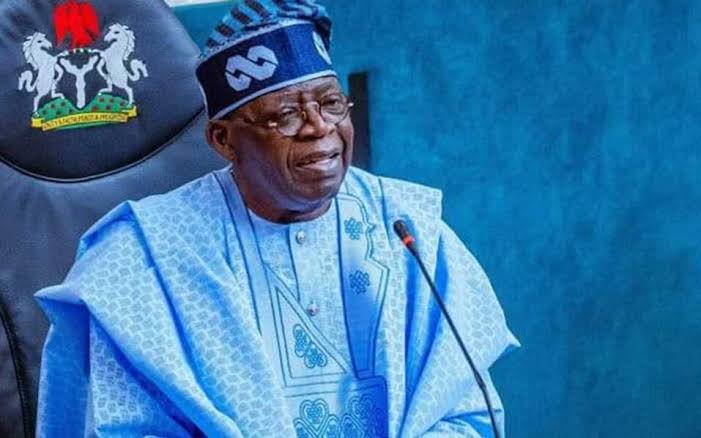
President Bola Tinubu has announced a ban on the importation of foreign goods that can be locally produced in Nigeria, unveiling a new industrial policy aimed at boosting domestic production and economic self-reliance.
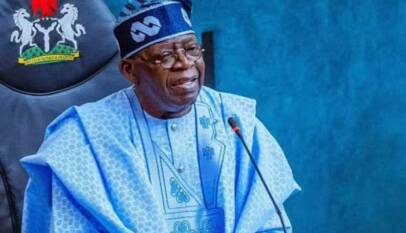
The decision, made during Monday’s Federal Executive Council meeting at the Presidential Villa, also restricts the hiring of expatriates for jobs that Nigerian professionals and artisans can perform—unless explicitly approved by the Bureau of Public Procurement (BPP).
Minister of Information and National Orientation, Mohammed Idris, who briefed reporters after the meeting, described the initiative as a bold economic shift. He said the new framework, known as the Renewed Hope Nigeria First Policy, puts local content and Nigerian interests at the center of all government procurement and investment decisions.
“This policy is designed to create a business culture that is proudly Nigerian, ensuring that public spending supports local industries,” Idris stated, comparing the strategy to former U.S. President Donald Trump’s “America First” approach.
Key elements of the policy include strict enforcement of procurement rules favoring Nigerian-made products and services, a centralized database of qualified Nigerian suppliers maintained by the BPP, and withdrawal of procurement officers from MDAs back to the BPP for oversight.
Others are mandatory waivers for any MDA seeking to purchase foreign goods available locally and requirements for technology transfer or local capacity building in unavoidable foreign contracts.
“The Attorney General has been instructed to draft an Executive Order to formalize the policy, which will immediately influence how MDAs revise their procurement plans. Non-compliance may lead to disciplinary action and contract cancellations” Idris added.
He cited the sugar industry as an example of untapped local capacity, lamenting ongoing imports despite available domestic producers. He also emphasized that the new policy aims to prevent such practices and ensure government funds stimulate local industries.
The Nigeria First policy is part of a broader reform agenda under Tinubu’s leadership, including subsidy removal and foreign exchange restructuring to attract investment, create jobs, and drive sustainable development.
“This is a decisive move to put Nigerians and Nigerian industries first,” Idris concluded. “It marks a fundamental change in how we grow our economy.”