
By Gabriel Efe
There is something about February.
It is the shortest month of the year, often quiet, transitional, sitting between the declarations of January and the acceleration of March. Yet in recent history, February has repeatedly become the staging ground for events that reshape the world.
In February 2020, the World Health Organisation officially characterised COVID-19 as a global pandemic. The virus that began as distant headlines quickly became lockdowns, economic paralysis, broken supply chains, and a redefinition of how humanity works, travels, worships, and interacts.
That same February 2022, the Russia-Ukraine conflict escalated into a full-scale invasion, altering the geopolitical balance in Europe and beyond. Energy markets convulsed. Food prices soared. NATO recalibrated. Sanctions reshaped global trade alignments.
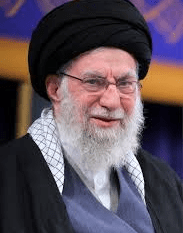
Now again, February sits under the shadow of escalating tensions involving Israel, the United States, and Iran. Whether through direct confrontation or proxy engagements across the Middle East, the implications stretch far beyond regional borders.
Is this coincidence? Or does February simply expose the fault lines that have been building quietly for months?
- February as a Geopolitical Pivot Point
Strategically, February often marks the close of fiscal recalibrations and the end of winter slowdowns in the northern hemisphere. Military positioning, diplomatic signalling, and economic realignments frequently mature around this time.
The COVID-19 declaration by the World Health Organization in February 2020 did not create the virus. It formalised the global recognition of its scale. Markets responded instantly. Borders closed. Central banks initiated emergency interventions.
Similarly, the invasion launched by Vladimir Putin against Ukraine in February 2022 did not begin the tensions. It marked the tipping point where diplomatic stalemate gave way to military reality.
In geopolitics, February often functions less as a beginning and more as an unveiling.
- The Israel–US–Iran Triangle
The long-standing hostility between Israel and Iran has simmered for decades. The involvement of the United States, whether through security guarantees, military deployments, or diplomatic manoeuvring, elevates regional tensions into global stakes.
Iran’s network of regional proxies, Israel’s doctrine of pre-emptive security, and America’s strategic interests in the Gulf create a fragile equilibrium. When that balance shakes, oil markets respond before diplomats do.
Energy remains the bloodstream of the global economy. Any sustained confrontation that threatens the Strait of Hormuz immediately places upward pressure on crude prices. Inflation follows. Emerging markets feel the shock first.
For countries like Nigeria, heavily reliant on oil revenue yet vulnerable to global inflationary pressures, such instability is a double-edged sword. Higher oil prices may increase fiscal inflow, but imported inflation, currency volatility, and food insecurity often erode those gains.
- Economic Shockwaves Beyond the Battlefield
The economic consequences of February crises tend to be systemic rather than isolated.
COVID-19 triggered:
• The sharpest global GDP contraction since the Second World War
• Massive stimulus spending that later fuelled inflation
• Structural shifts towards remote work and digital acceleration
The Russia-Ukraine war disrupted:
• Global wheat supply chains, affecting Africa and the Middle East
• Natural gas flows into Europe
• Fertiliser production, impacting food prices worldwide
An escalated Israel-Iran-US confrontation could produce:
• Oil price spikes
• Supply chain disruptions through Middle Eastern shipping routes
• Increased defence spending globally
• Capital flight from emerging markets
The pattern is clear. February crises do not stay local. They globalise rapidly through financial systems, commodity markets, and investor psychology.
- The Psychology of Repeated Timing
Humans are pattern-seeking by nature. When events cluster around a calendar month, we assign meaning. Yet geopolitical crises are rarely seasonal in a mystical sense. They are the culmination of strategic build-up, intelligence assessments, domestic political calculations, and opportunity windows.
February often sits at the intersection of preparation and execution.
Budgets are approved. Military logistics are in place after winter constraints ease. Political leaders seek momentum early in the year. Markets are fully reopened after holiday slowdowns. Decisions that were being negotiated quietly in January become actions in February.
It is less about the month itself and more about timing within global cycles.
- What This Means for Emerging Economies
For African economies, especially Nigeria, the lesson is sobering.
We do not control these global flashpoints, but we absorb their consequences. Currency pressures intensify when investors seek safe havens. Debt servicing costs rise when global interest rates remain elevated. Food insecurity worsens when supply chains tighten.
February therefore becomes a reminder of vulnerability and urgency.
Economic resilience must move from rhetoric to policy. Diversification cannot remain aspirational. Energy independence, food security, and regional trade integration are no longer optional strategies. They are survival imperatives.
Conclusion: Beyond Coincidence
Perhaps February is not cursed. Perhaps it is revealing.
It reveals how interconnected the world has become. It reveals how fragile stability truly is. It reveals that crises are rarely spontaneous. They are prepared long before they are declared.
COVID was declared in February. War erupted in Europe in February. Tensions in the Middle East sharpen again in February.
The month may be short, but its echoes are long.
The real question is not why February. The real question is whether we are building systems strong enough to withstand whatever the next February unveils