
Nigeria’s federal government said it will move ahead with implementing new tax laws from Jan. 1, 2026, despite mounting calls for a suspension following allegations that the versions passed by parliament differ from the copies later published in the official gazette.
The dispute intensified last week after Abdussamad Dasuki, a lawmaker from Sokoto, told the House of Representatives that key provisions in the harmonised tax bills passed by the National Assembly did not match those released to the public. The House set up an ad hoc committee to investigate the discrepancies and is expected to present its findings this week.
Another member, Mansur Manu Soro from Bauchi, said he independently reviewed the Votes and Proceedings of parliament and confirmed what he called “material discrepancies” between the approved bills and the gazetted versions. Several lawmakers and civil society groups have since demanded a halt to implementation pending clarification.
But the chairman of the Presidential Committee on Fiscal Policy and Tax Reforms, Taiwo Oyedele, dismissed the calls during a television interview on Monday, warning that delaying the reforms could increase the cost of food, healthcare and education.
He said existing tax rules place a heavy burden on workers and small firms, and that postponement would leave 98% of Nigerian workers “overtaxed”.
Oyedele said resistance to the reforms did not start with the latest claims of alterations, adding that misinformation had fuelled public pushback. Any decision to suspend implementation, he said, rests with lawmakers.
He argued that retaining the country’s current tax system would leave small businesses exposed to multiple taxes and keep minimum tax provisions in place for low-income and unprofitable entities.
He also said large companies would continue to face what he described as “nuisance taxes”, while hidden VAT charges embedded in supply chains would keep driving up consumer prices.
Addressing the alleged post-passage alterations, Oyedele said that if discrepancies are proven, those specific clauses should simply be treated as non-existent and excluded from enforcement. The rest of the law, he said, could proceed while investigators determine how the changes occurred.
He added that even the versions passed by parliament contain areas that require amendment. His committee, he said, has flagged inconsistencies in definitions — including contradictory descriptions of small businesses across two different laws — and referencing issues that may need the president to request fresh legislative corrections.
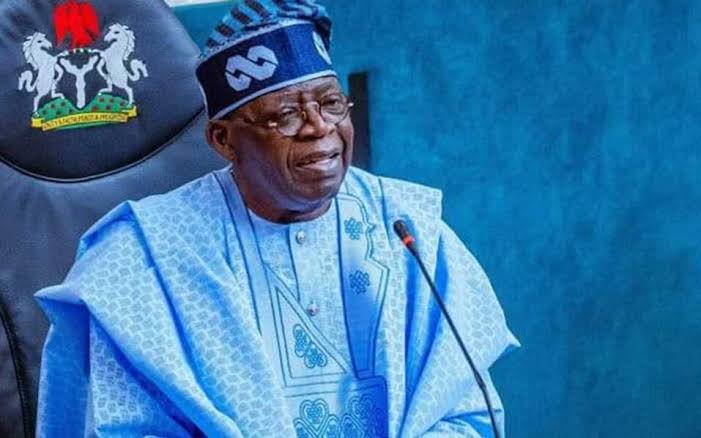
The tax reforms are central to President Bola Tinubu’s fiscal agenda, aimed at expanding Nigeria’s narrow revenue base. But the controversy over the gazetted versions has added political pressure as inflation remains high and economic hardship deepens across the country.