

By Douglas Maha, Abuja
Surging global crude oil prices triggered by the escalating conflict involving the United States, Israel and Iran could bring both relief and fresh economic pain to Nigeria, Africa’s largest oil producer.
Oil prices have climbed sharply in recent days, settling war above the $100 mark at press time, amid fears that the widening conflict could disrupt supply from the Middle East, a region that accounts for a significant share of global crude exports. Analysts say the rally could temporarily boost Nigeria’s oil revenues, but the broader economic impact on the country is likely to be mixed.
In the run-up to next year’s president election in Africa’s most populous nation, this poses a boost and tough test for President Bola Ahmed Tinubu. The country is recovering from deep economic malaise and the impact of the necessary but debilitating structural and economic reforms of the president. The cost of living is still crippling high, even though inflation is simmering.
Nigeria relies heavily on crude exports for foreign earnings and government revenue. Oil accounts for roughly 90% of export income and a major share of public finances, meaning higher global prices typically translate into increased dollar inflows for the government.
“Higher oil prices usually improve Nigeria’s fiscal outlook in the short term,” said an energy analyst based in Lagos. “It strengthens foreign reserves and gives the government more breathing space on its budget.”
The price rally could also help support the naira by increasing foreign exchange earnings from crude sales, easing pressure on Nigeria’s external reserves at a time when the country is grappling with currency volatility.
However, economists warn that the benefits may be limited because Nigeria still imports a large portion of its refined petroleum products. At the time of this report, petrol (PMS) prices have rising over 50% from N840 (about $.65) per liter to N1,250 ($.90) per liter.
As global crude prices rise, the cost of importing petrol and diesel also increases, putting upward pressure on domestic fuel prices and transportation costs. That, in turn, could fuel inflation and deepen the cost-of-living crisis already affecting many Nigerians.
“Higher oil prices may boost government revenue, but for consumers it often means higher fuel and food prices,” said an economist at a Nigerian research institute.
Businesses could also feel the strain. Many companies rely heavily on diesel to power operations due to unreliable electricity supply. Rising fuel costs can therefore increase production expenses, forcing businesses to raise prices or scale back operations.
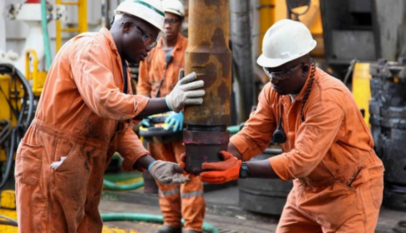
Nigeria’s ability to fully benefit from the oil price surge is also constrained by structural challenges in its oil sector. Crude production has struggled in recent years due to oil theft, pipeline vandalism, and aging infrastructure.
Output has frequently fallen below the country’s quota set by the Organization of the Petroleum Exporting Countries (OPEC), limiting the volume of oil Nigeria can sell even when prices rise.
The ongoing geopolitical crisis highlights Nigeria’s long-standing economic vulnerability to swings in global oil markets. While higher prices can boost public finances, they also expose the country’s dependence on crude exports and imported fuel.
Analysts say the situation underscores the urgency for Nigeria to diversify its economy beyond oil, particularly by expanding domestic refining capacity and strengthening sectors such as agriculture and manufacturing.
For now, the conflict in the Middle East may bring a temporary financial windfall for Africa’s biggest oil producer, but it could also deepen economic pressures for millions of Nigerians already struggling with rising living costs.