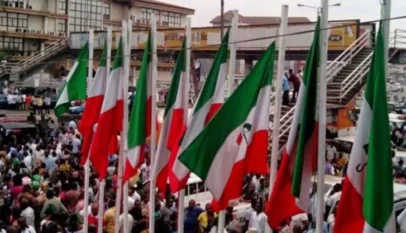


The Peoples Democratic Party (PDP) has strongly denounced a recent ruling by the Federal Court of Canada which declared Nigeria’s two leading political parties — the PDP and the ruling All Progressives Congress (APC) — as terrorist organisations under Canadian law.
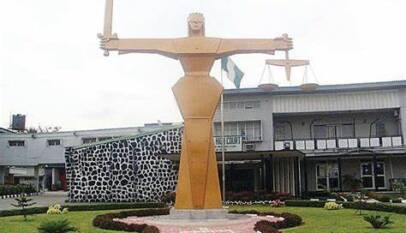
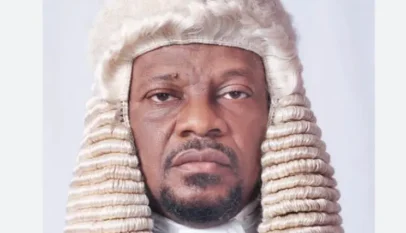
The controversial ruling, handed down on June 17, 2025, by Justice Phuong Ngo, upheld a previous decision by Canada’s Immigration Appeal Division (IAD), which denied asylum to Nigerian national Douglas Egharevba. The court found Egharevba inadmissible under Canada’s Immigration and Refugee Protection Act (IRPA) due to his political affiliations with the PDP and APC between 1999 and 2017.
Reacting to the ruling, the PDP described the judgment as “misinformed, biased, and lacking credible evidence.” Timothy Osadolor, PDP’s Deputy National Youth Leader, in an interview with Vanguard, argued that Canada’s action undermines democratic principles and misrepresents Nigeria’s political landscape.
“Nigeria and Canada are both democracies,” Osadolor said. “But freedom of speech must not be misused to make sweeping, baseless accusations against entire political institutions.”
He acknowledged that while certain individuals may have controversial affiliations, the classification of an entire political party as a terrorist group was “dangerous and unjustified.”
“If there are individuals with links to terrorist acts, they should be individually investigated and prosecuted. But to label an entire political institution like the PDP or even the APC as a terrorist organisation is reckless and sets a disturbing precedent,” he added.
Court records reveal that Egharevba was an active PDP member from 1999 to 2007 and joined the APC thereafter, maintaining political involvement until his relocation to Canada in 2017. During his asylum application process, Canadian authorities flagged his decade-long political history, citing intelligence reports alleging the involvement of both Nigerian parties in electoral violence and democratic subversion.
The IAD’s decision cited incidents from the 2003 and 2004 elections in Nigeria, during which the PDP allegedly engaged in voter intimidation, ballot fraud, and violence. Justice Ngo ruled that under Canadian law, mere membership in an organisation involved in such acts was sufficient grounds for inadmissibility—even without personal involvement in wrongdoing.
Olufemi Soneye, former Chief Corporate Communications Officer of NNPC Ltd, issued a statement condemning the ruling as a “political earthquake” with potential global implications.
“This decision goes beyond one man’s asylum case,” Soneye said. “It sets a dangerous legal precedent that equates mainstream political participation with terrorism. That’s not just a blow to Nigeria—it’s a threat to democratic systems everywhere.”
He warned that the verdict could spark diplomatic tensions and create lasting consequences for Nigerian citizens abroad, particularly those involved in legitimate political activity.
“For Nigerians living overseas, this ruling could mean visa denials, rejected asylum claims, and being unfairly scrutinized just for once belonging to a political party,” Soneye cautioned. “It chills political participation, especially among the youth, and undermines the democratic process.”
Soneye also called on democratic nations and human rights bodies to push back against what he described as “judicial overreach” and an attack on democratic pluralism.
“Labeling political organisations that have governed Nigeria for decades as terrorist groups is not just legally flawed—it also dilutes the global fight against actual terrorism,” he said.
Both the PDP and concerned political observers are urging the Canadian government to revisit the ruling, warning that such decisions could spiral into broader political and diplomatic crises.
“The world should take note,” Soneye said. “If courts start branding political parties in democratic countries as terrorist groups, no democracy is safe from foreign legal overreach.”“If there are individuals with links to terrorist acts, they should be individually investigated and prosecuted. But to label an entire political institution like the PDP or even the APC as a terrorist organisation is reckless and sets a disturbing precedent,” he added.
As the fallout from the ruling continues, Nigeria’s political community is bracing for further international scrutiny — and possible repercussions for its citizens abroad.