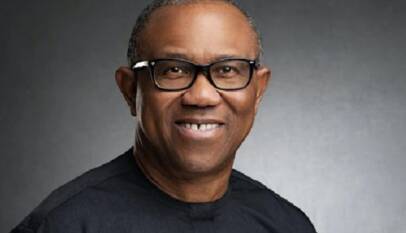


Former Anambra State governor and Labour Party presidential candidate Peter Obi on Tuesday warned that Nigeria’s rising debt burden could worsen the country’s economic challenges if loans are not channelled into productive sectors.
Obi’s comments followed recent World Bank data showing Nigeria as the institution’s third-largest debtor, with outstanding obligations estimated at $18.7 billion. Bangladesh ranks first at about $23 billion.
“There’s nothing inherently wrong with borrowing,” Obi wrote on X. “Nations borrow to improve productivity and stimulate growth. Debt becomes a problem only when it finances consumption, inefficiency, or corruption rather than investment.”
He argued that the sustainability of debt depends less on its size than on how funds are deployed.
Drawing a comparison with Bangladesh, Obi said the South Asian country had leveraged borrowed funds to expand manufacturing, textiles, energy and human capital, resulting in sustained economic growth.
Bangladesh’s nominal GDP, he noted, rose from about $195 billion in 2015 to between $460 billion and $500 billion in 2024–2025, while per capita income increased from roughly $1,235 to around $2,700.
By contrast, Nigeria’s economy has contracted over the same period, according to Obi. He said Nigeria’s GDP declined from about $490 billion in 2015 to below $250 billion currently, while per capita income fell from roughly $2,600–$2,700 to between $850 and $1,000.
Obi attributed the downturn to weak productivity growth, currency instability, structural inefficiencies and corruption.
He urged policymakers to ensure that borrowing supports infrastructure, industry and human development rather than recurrent expenditure.
“Debt tied to infrastructure, industry and human development fuels growth,” he said. “Debt tied to consumption, leakages and corruption deepens stagnation.”